
Kenya Safari Tours & Packages | Best Safari in Kenya

Kenya Safari: Complete Travel Guide to Africa's Premier Wildlife Destination

Kenya Safari: Complete Travel Guide to Africa's Premier Wildlife Destination

Kenya Safari: Complete Travel Guide to Africa's Premier Wildlife Destination

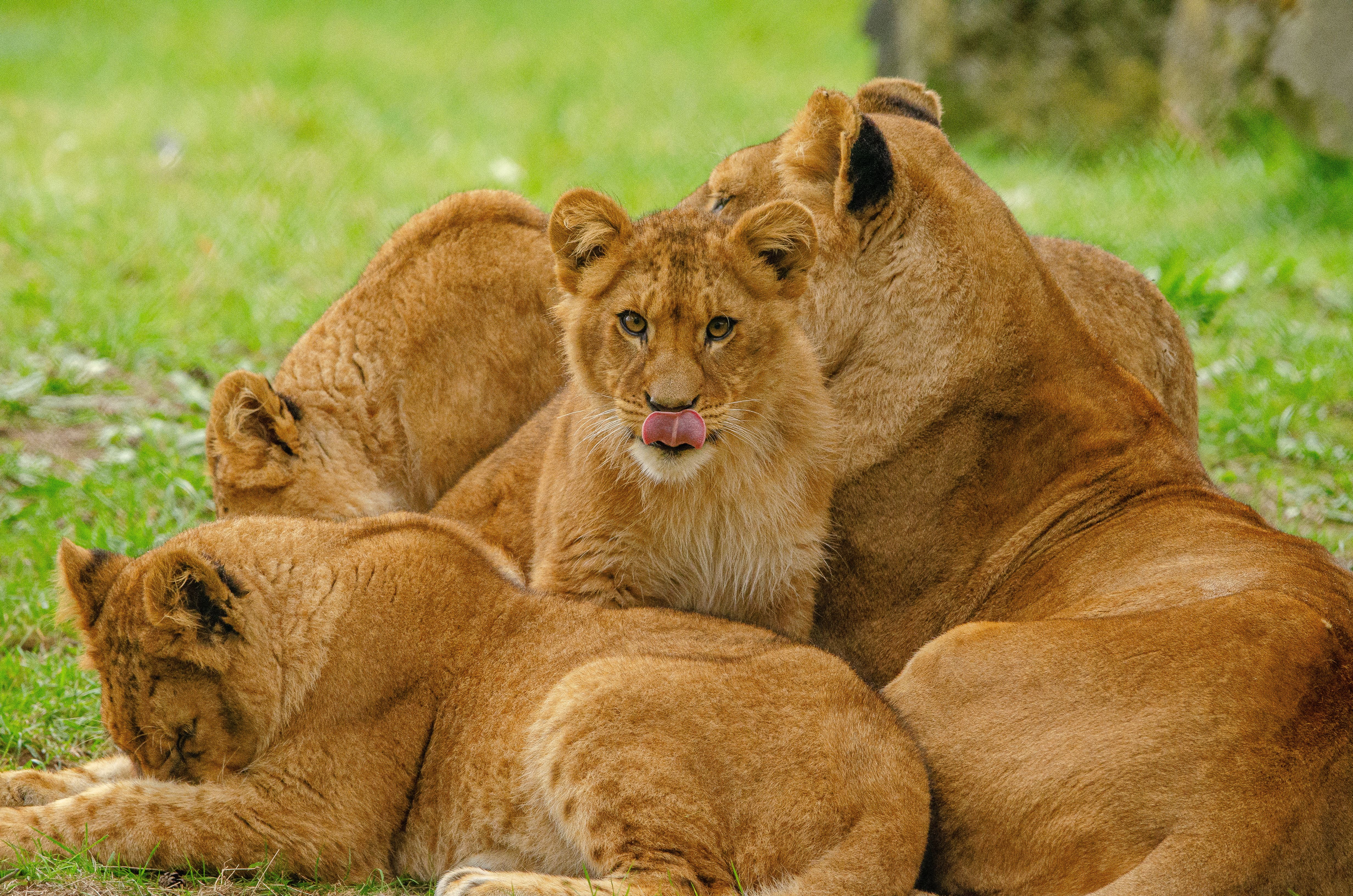
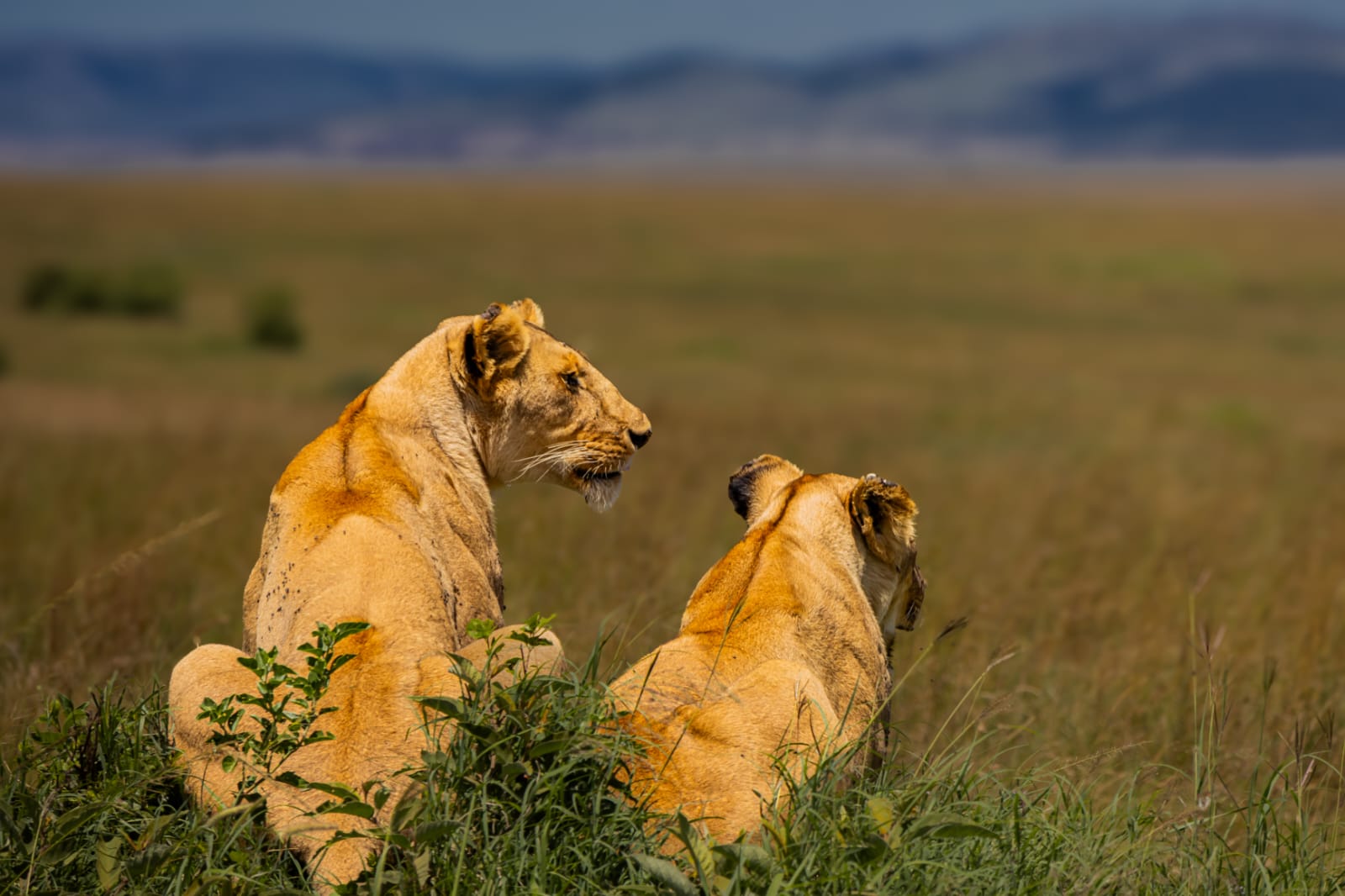
Majestic lion pride resting on rocky outcrop in Masai Mara National Reserve at golden hour

Kenya safari experiences represent the pinnacle of African wildlife adventures. This East African nation pioneered the safari concept over a century ago and continues to set the standard for authentic, breathtaking encounters with nature.

From the legendary Masai Mara to the elephant-rich plains of Amboseli, Kenya offers unparalleled access to Africa's most iconic wildlife. The country combines world-class game viewing with diverse landscapes, rich cultural heritage, and well-established tourism infrastructure.

This comprehensive guide provides everything you need to plan an unforgettable Kenya safari. Whether you're seeking luxury lodges, family adventures, or budget-friendly options, you'll find expert insights to help you make informed decisions.

Ready to Explore Kenya Safari Options?

Connect with locally-owned safari experts who specialize in creating custom Kenya experiences tailored to your interests and budget.

Start Planning Your Safari

Why Choose Kenya for Your Safari Adventure

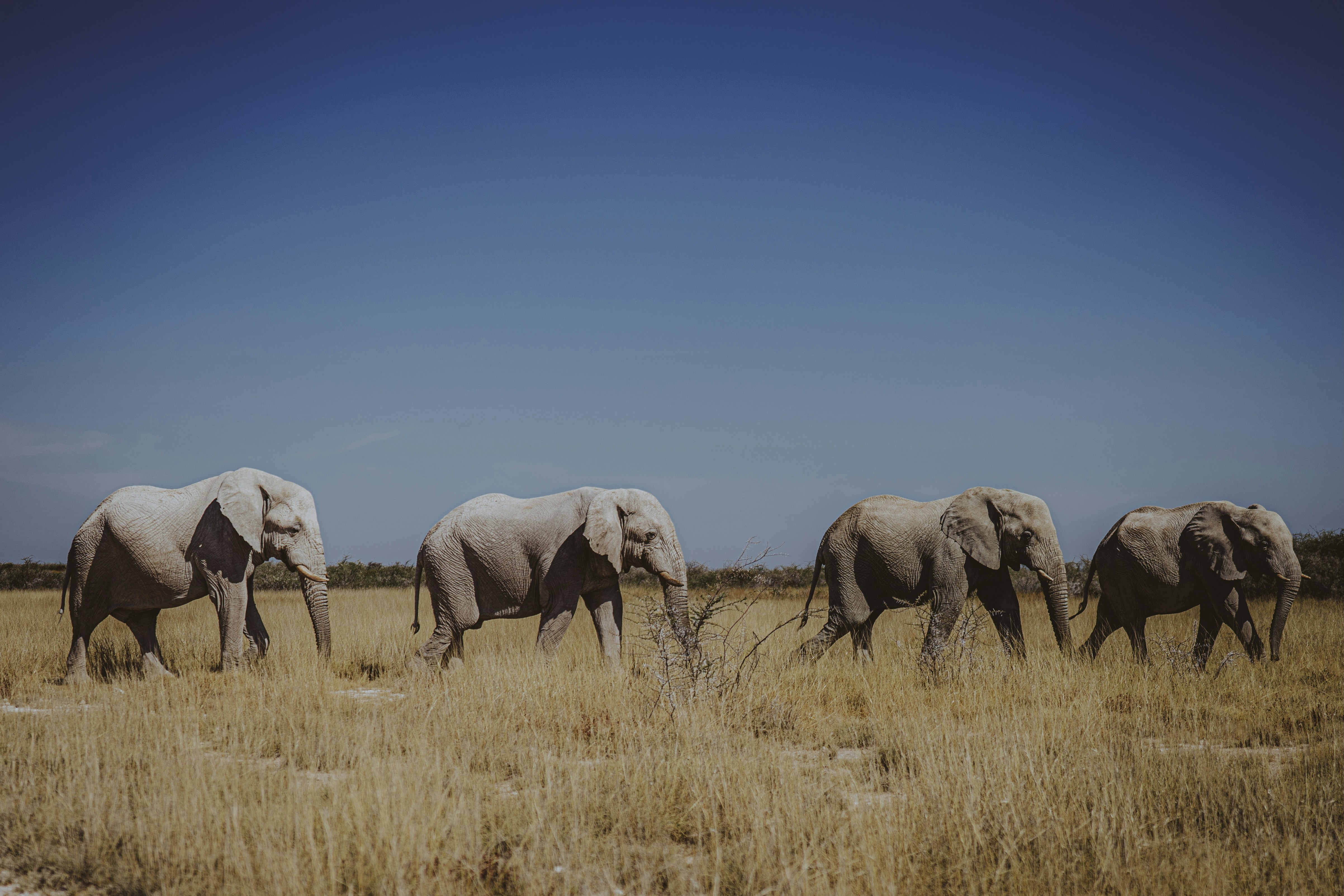
Herd of elephants walking across Amboseli plains with Mount Kilimanjaro in background

Kenya earned its reputation as Africa's safari birthplace for compelling reasons. The country delivers consistent wildlife viewing throughout the year, making it an ideal destination regardless of when you travel.

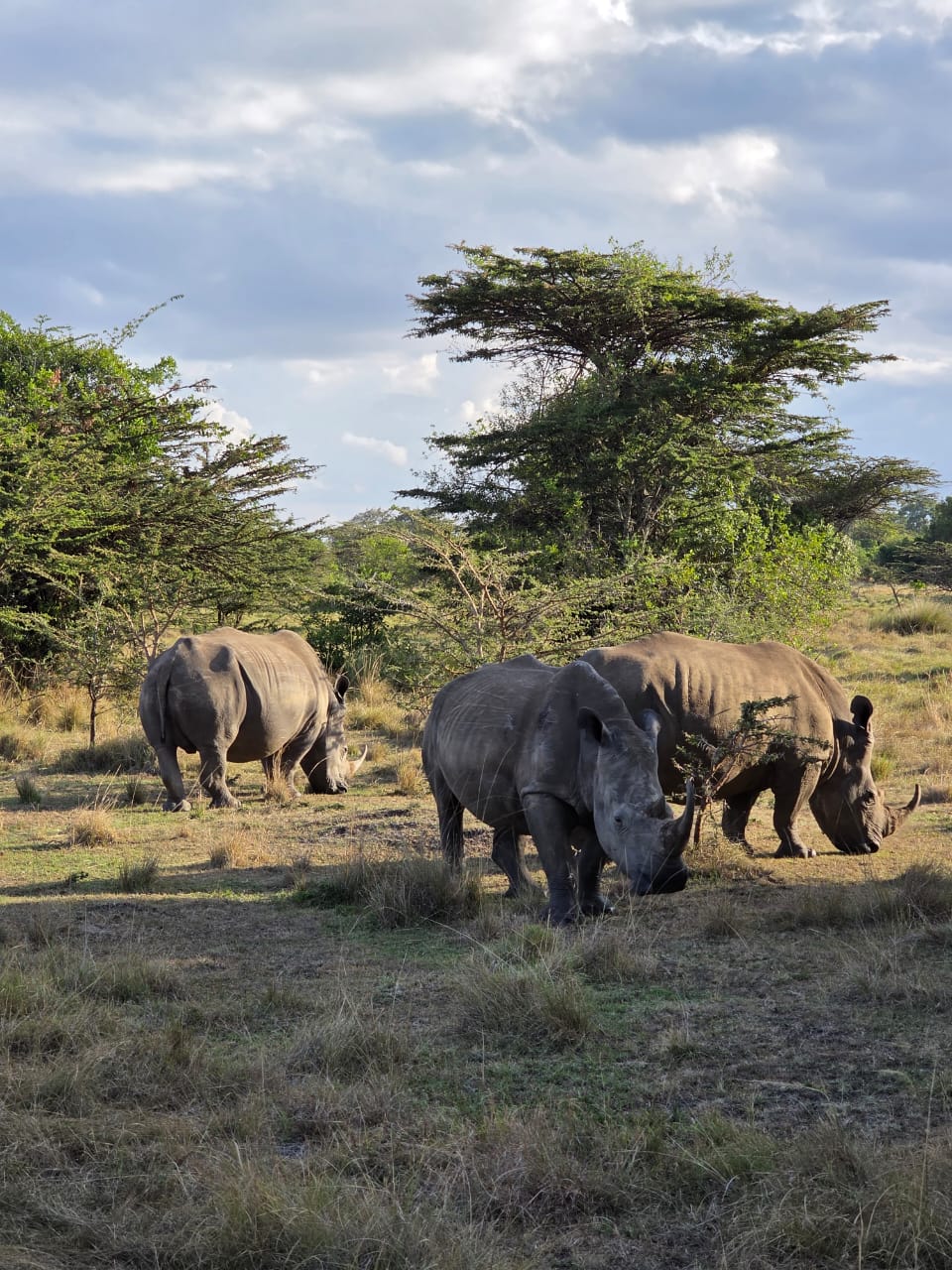
The wildlife diversity in Kenya rivals anywhere on the African continent. You'll find healthy populations of the Big Five (lion, leopard, elephant, buffalo, and rhino) alongside cheetahs, giraffes, zebras, wildebeest, and over 1,000 bird species.

Exceptional Wildlife Viewing

Leopard resting on tree branch in dappled sunlight in Kenya national park

Kenya's national parks and conservancies protect some of Africa's most pristine ecosystems. The Masai Mara hosts the spectacular Great Migration annually, when over two million wildebeest and zebra cross from Tanzania's Serengeti.

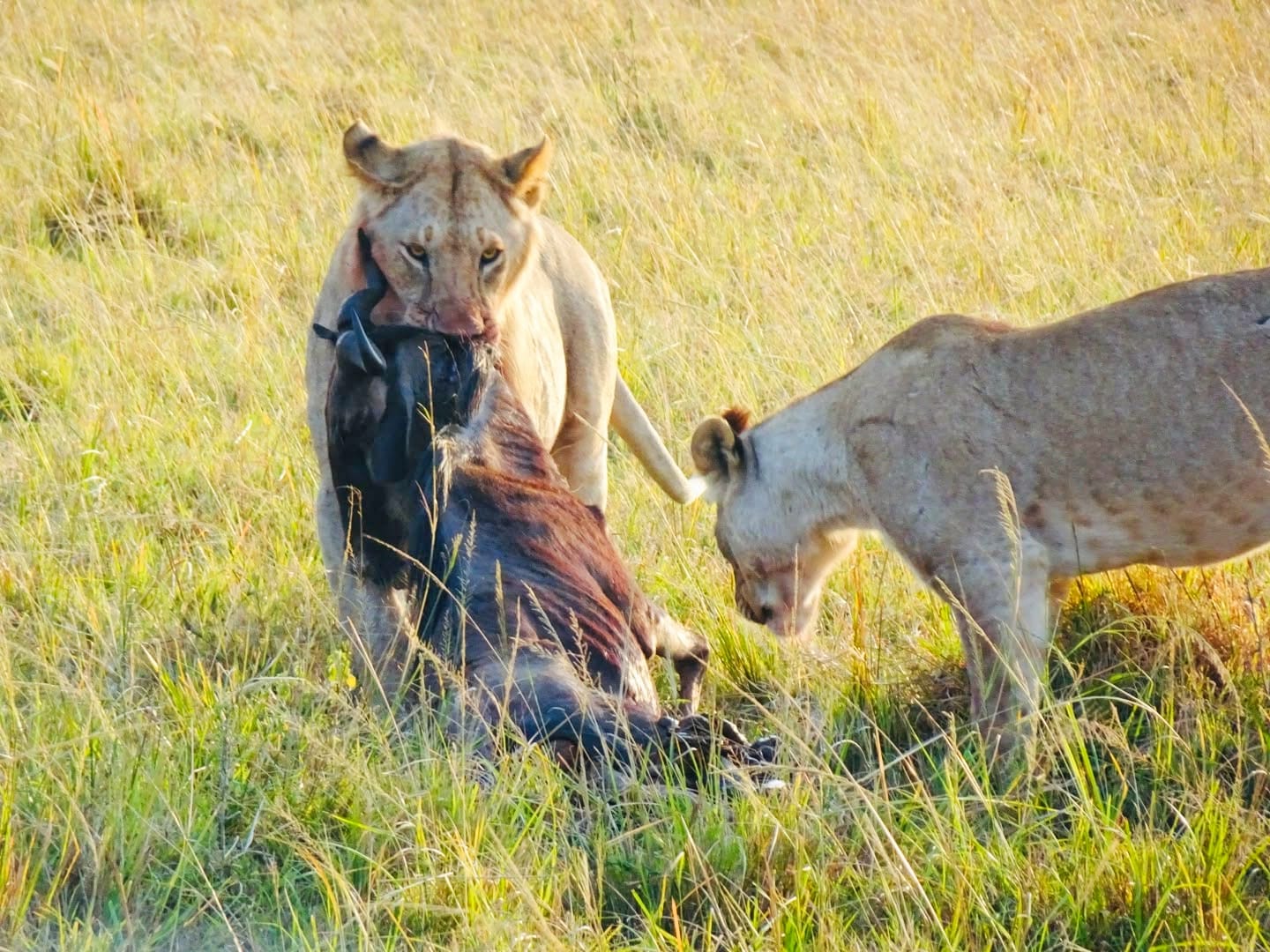
Predator populations thrive here. Lions hunt across the open grasslands, while leopards prowl through riverine forests. Cheetahs utilize the flat terrain to reach incredible speeds during hunts.

Northern Kenya Specialties

  • Grevy's zebra (endangered species)
  • Reticulated giraffe with distinctive patterns
  • Somali ostrich populations
  • Gerenuk antelope in arid regions
  • Critically endangered black rhino

Classic Safari Wildlife

  • Large elephant herds in Amboseli
  • Tree-climbing lions in Lake Nakuru
  • River hippo populations
  • Massive buffalo herds
  • Over 400 bird species per region

Diverse Landscapes and Ecosystems

Aerial view of Great Rift Valley landscape with lakes and escarpments in Kenya

Kenya's geography creates stunning visual variety. The Great Rift Valley cuts through the country, forming lakes, escarpments, and volcanic features that provide dramatic backdrops for wildlife photography.

From tropical coastlines along the Indian Ocean to arid northern deserts, Kenya offers diverse ecosystems. Each region hosts specialized wildlife adapted to specific conditions.

Rich Cultural Experiences

Maasai warriors in traditional red clothing performing jumping dance ceremony

Indigenous communities maintain traditional lifestyles across Kenya. The Maasai people, famous for their distinctive dress and pastoral culture, welcome visitors to their villages in many safari areas.

Cultural visits provide context for conservation efforts. Many communities partner with safari operators to protect wildlife while maintaining their heritage and generating sustainable income.

Accessibility and Infrastructure

Kenya's tourism infrastructure makes safari travel straightforward. Nairobi's international airport connects to major global hubs with daily flights. Domestic air services link safari destinations quickly and efficiently.

The country offers accommodation options for every budget. From luxury lodges to comfortable tented camps to basic campsites, you'll find suitable options throughout Kenya's safari regions.

Let Us Help You Design Your Perfect Kenya Safari

Our locally-owned operators provide insider knowledge and personalized service to create your ideal African adventure.

Top Safari Destinations in Kenya

Kenya's national parks and reserves each offer unique experiences. Understanding the characteristics of each destination helps you select the right combination for your safari adventure.

Masai Mara National Reserve

Thousands of wildebeest crossing Mara River during Great Migration with crocodiles waiting

The Masai Mara ranks among Africa's most famous wildlife areas. This 1,510 square kilometer reserve forms the northern section of the Serengeti ecosystem and hosts the climax of the Great Migration.

Between July and October, massive herds of wildebeest and zebra enter the Mara from Tanzania. They brave crocodile-infested river crossings in dramatic scenes that define African safari experiences.

Masai Mara Highlights: Exceptional year-round game viewing, highest concentration of lions in Africa, all Big Five present, dramatic river crossings during migration season, hot air balloon safaris available.

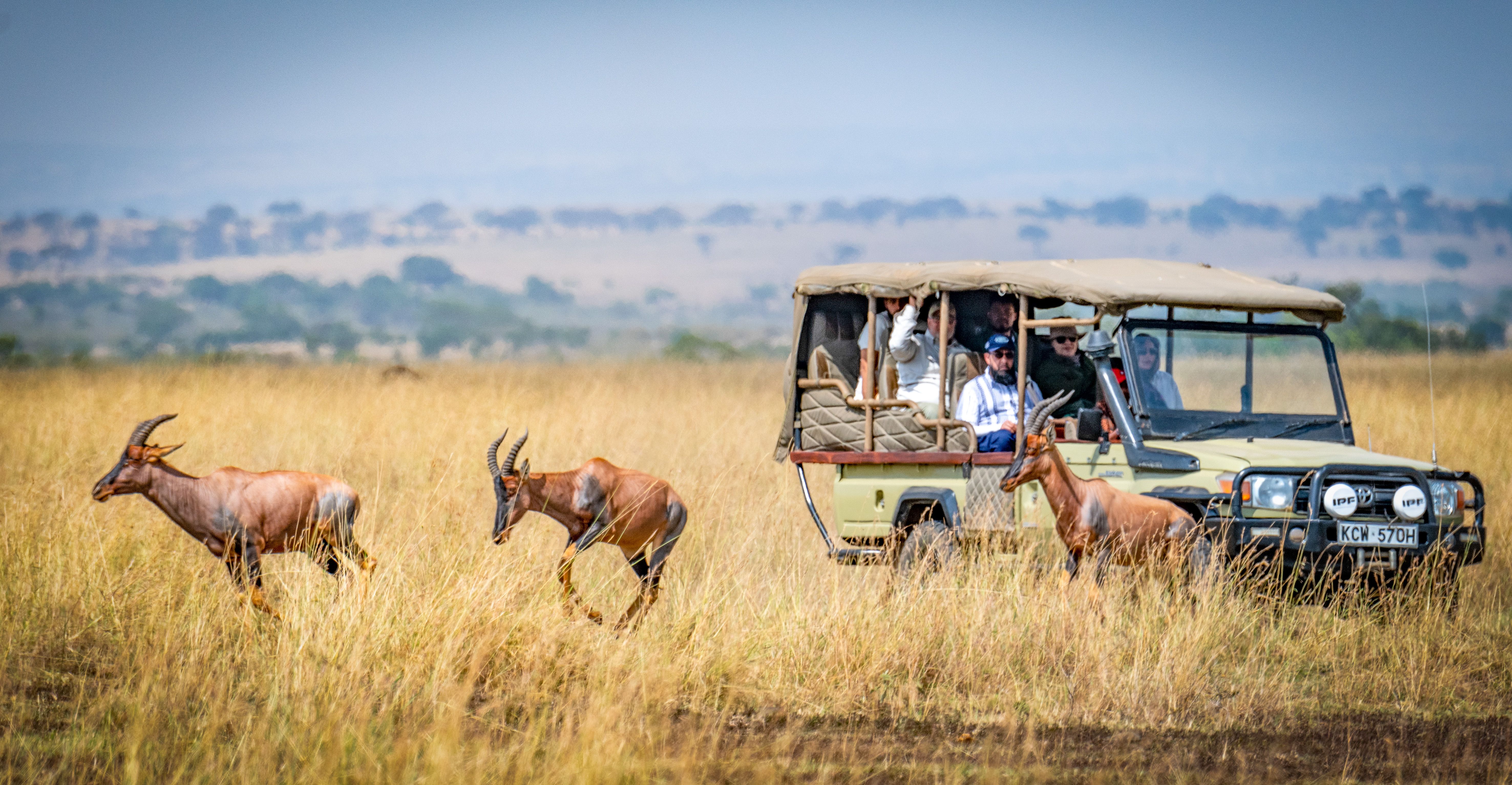
The Mara's open grasslands provide excellent visibility for wildlife viewing. Predator populations flourish here, with lion prides, leopards, and cheetahs regularly spotted on game drives.

Amboseli National Park

Large elephant herd walking through Amboseli swamps with Mount Kilimanjaro behind

Amboseli offers Africa's most spectacular elephant viewing against the backdrop of Mount Kilimanjaro. The park's 392 square kilometers contain diverse habitats from dry lake beds to lush swamps.

Large elephant herds congregate around the permanent swamps fed by Kilimanjaro's snowmelt. You'll observe complex family structures and behaviors in these gentle giants up close.

Close-up of elephant family at Amboseli waterhole with baby elephant

Amboseli Wildlife

  • Over 1,600 elephants in population
  • Lions, cheetahs, and spotted hyenas
  • Buffalo herds in grasslands
  • Over 400 bird species recorded
  • Masai giraffe populations
  • Grant's and Thomson's gazelles

Tsavo East and West National Parks

Red elephants of Tsavo bathing in dust at sunset

Tsavo forms Kenya's largest protected area, covering over 22,000 square kilometers. Split into East and West sections, Tsavo offers wilderness experiences with fewer visitors than other parks.

Tsavo's elephants appear red from bathing in the area's iron-rich soil. The parks' volcanic landscapes create striking scenery, particularly around Mzima Springs in Tsavo West.

Lake Nakuru National Park

Millions of pink flamingos covering Lake Nakuru with rhinos in foreground

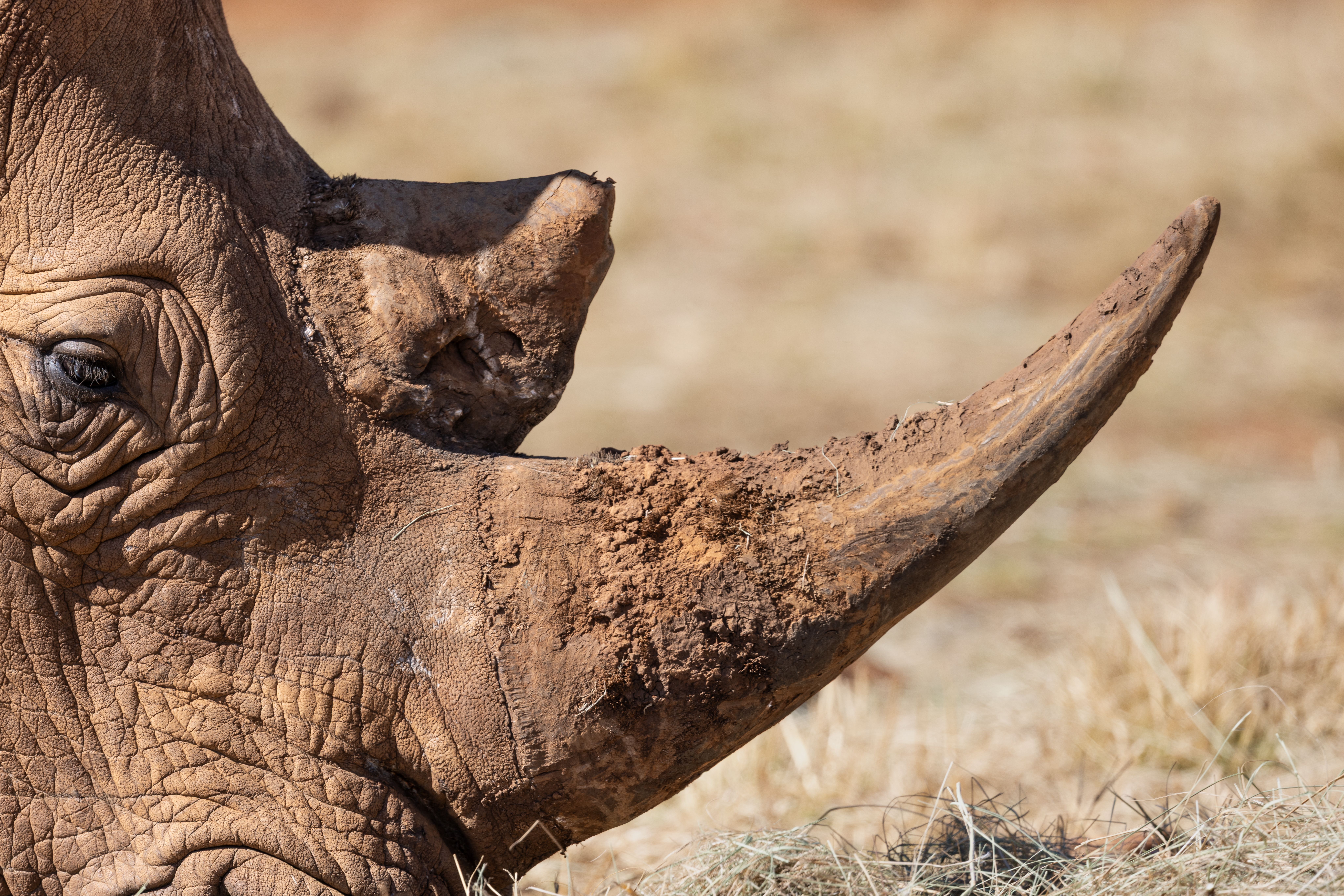
Lake Nakuru protects both black and white rhino populations within its compact 188 square kilometers. The alkaline lake attracts massive flamingo flocks that turn its shores pink.

The park's small size concentrates wildlife, making it ideal for shorter visits. Tree-climbing lions rest in the park's distinctive fever trees, creating unusual photographic opportunities.

Samburu National Reserve

Reticulated giraffe and Grevy's zebra drinking at Ewaso Nyiro River in Samburu

Samburu's arid landscape in northern Kenya hosts specialized wildlife found nowhere else in the country. The reserve's 165 square kilometers straddle the Ewaso Nyiro River, creating an oasis in the semi-desert.

The "Samburu Special Five" - Grevy's zebra, reticulated giraffe, Somali ostrich, gerenuk, and beisa oryx - thrive in these harsh conditions. Large elephant populations also frequent the riverine forests.

Did You Know? Samburu is home to the Sarara Singing Wells, where Samburu warriors sing traditional songs while drawing water for their cattle from hand-dug wells - a cultural practice spanning centuries.

Laikipia Plateau

Wide view of Laikipia conservancy landscape with Mount Kenya in distance

Laikipia represents innovative conservation through private and community conservancies. This region between Mount Kenya and the Great Rift Valley encompasses over 9,500 square kilometers of diverse habitats.

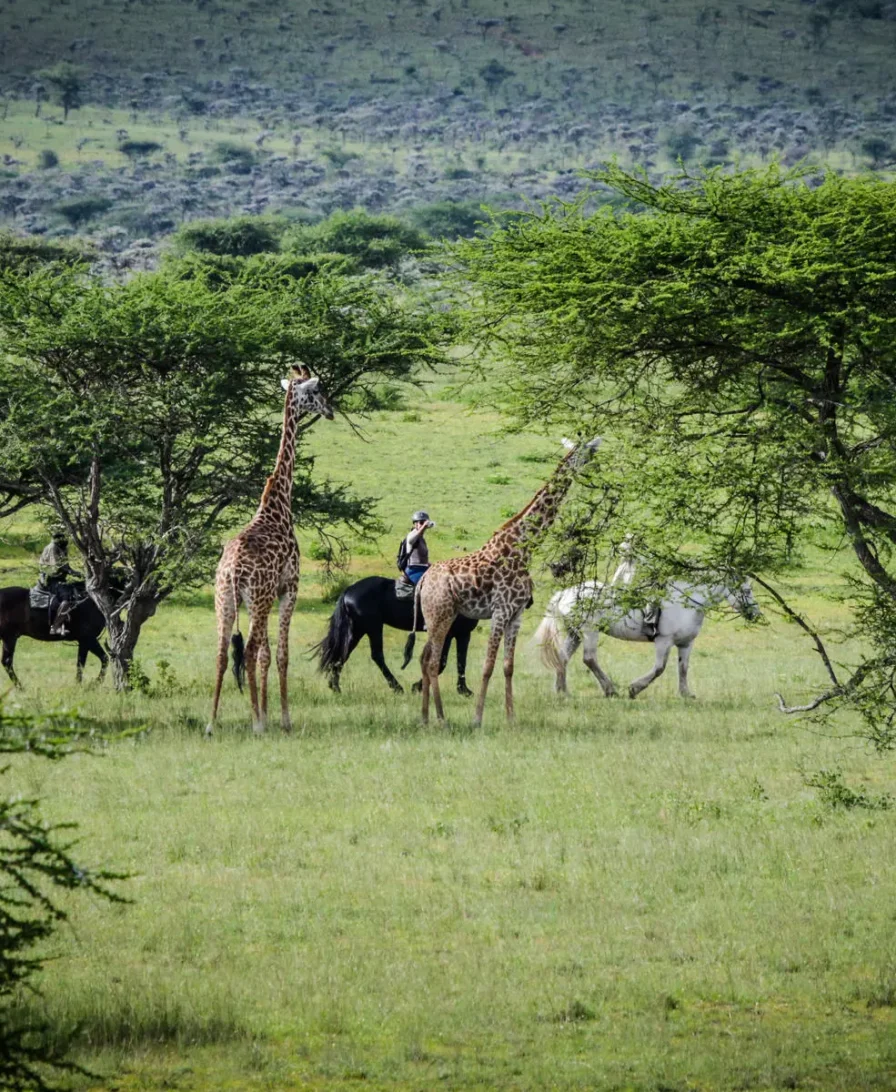
The area hosts Kenya's second-largest wildlife populations after the Tsavo ecosystem. Laikipia pioneered walking safaris, horseback riding, and other active safari experiences beyond traditional game drives.

Types of Kenya Safari Experiences

Luxury safari tent with king bed and ensuite bathroom overlooking savannah

Kenya accommodates diverse travel styles and budgets. Understanding the differences between safari types helps you choose the experience that matches your preferences and expectations.

Luxury Kenya Safaris

Private infinity pool at luxury safari lodge overlooking waterhole with wildlife

Luxury Kenya safari options deliver world-class comfort in spectacular settings. High-end lodges and camps feature spacious suites, gourmet cuisine, private vehicles with expert guides, and exceptional service.

Luxury properties often occupy prime locations in private conservancies, offering exclusive game viewing without crowds. Additional amenities include spa treatments, private decks, infinity pools, and personalized service.

Luxury Safari Inclusions

  • Spacious tented suites or lodge rooms
  • Private safari vehicles and guides
  • All meals and premium beverages
  • Laundry service included
  • Special activities (bush dinners, sundowners)
  • Spa facilities at many properties
Elegant bush dinner setup under acacia tree with lanterns at dusk

Mid-Range Kenya Safaris

Mid-range options balance comfort with value. These safari tours provide quality accommodations, experienced guides, and comprehensive game viewing at more accessible price points.

Comfortable tented camps and lodges in this category feature ensuite bathrooms, restaurant facilities, and included game drives. While amenities are simpler than luxury properties, the wildlife viewing remains excellent.

Budget Kenya Safari Options

Budget camping safari setup with tents around campfire under starry sky

Budget safaris make Kenya accessible to travelers with limited funds. Basic camping and simple accommodations significantly reduce costs while still providing authentic wildlife encounters.

Group joining safaris share costs among participants, further reducing expenses. You'll travel in modified safari vehicles with other travelers, camping in designated sites within or near national parks.

Private Kenya Safaris

Private safari tours offer ultimate flexibility and personalization. Your group travels exclusively with your dedicated guide and vehicle, following your own schedule and interests.

Private safaris suit families, friends traveling together, or anyone preferring independence. You control daily schedules, photography stops, and activity choices without accommodating other travelers' preferences.

Family Safari Adventures

Family with children on game drive observing elephants safely from safari vehicle

Family-friendly Kenya safaris cater specifically to traveling with children. Selected lodges welcome kids and provide age-appropriate activities, family rooms, and flexible meal times.

Many properties offer junior ranger programs, teaching children about wildlife conservation through interactive activities. Private vehicles allow families to maintain their own pace without disturbing other guests.

Family Safari Tip: Choose locations with shorter game drives (2-3 hours), accommodations with swimming pools, and properties that welcome children of all ages. The Masai Mara and Amboseli work particularly well for first-time family safaris.

Kenya Honeymoon Safaris

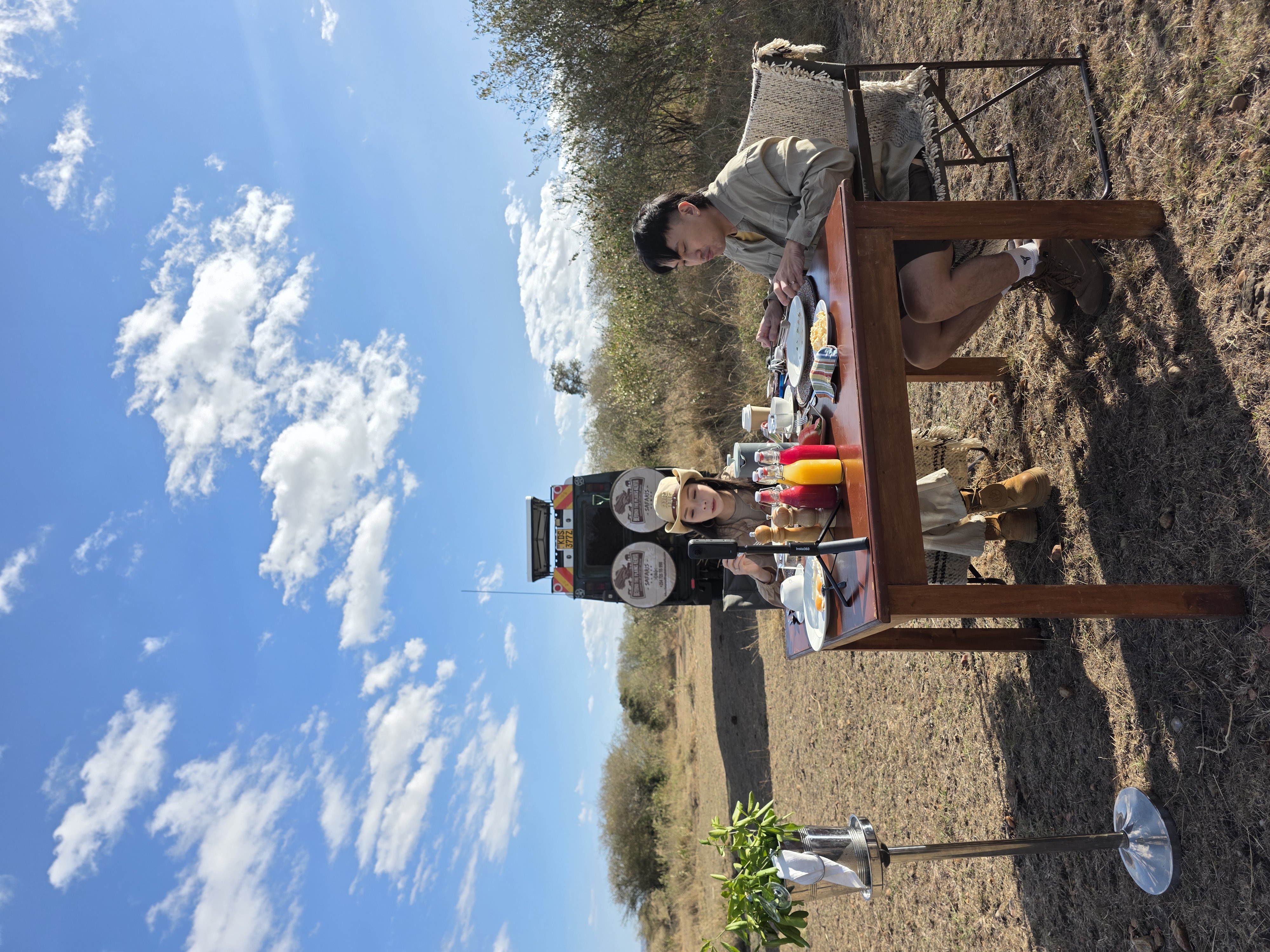
Romantic private deck with champagne setup overlooking Masai Mara sunset

Honeymoon packages combine romance with adventure. Luxury camps offer private accommodations, romantic bush dinners, couples' spa treatments, and exclusive experiences like hot air balloon flights.

Many lodges provide honeymoon extras including champagne on arrival, special turndown services, and private dining arrangements. Combining safari with Kenya's beautiful Indian Ocean beaches creates memorable honeymoon itineraries.

Get a Custom Quote for Your Ideal Kenya Safari

Whether you're seeking luxury, family adventure, or good value, locally-owned operators deliver exceptional experiences at fair prices.

Best Time to Visit Kenya for Safari

Split image showing Kenya landscape in dry season versus green season

Kenya offers year-round safari opportunities, though wildlife viewing and weather vary by season. Understanding these patterns helps you choose the optimal time for your specific interests and priorities.

Peak Dry Season (July to October)

The peak season delivers exceptional wildlife viewing as animals congregate around remaining water sources. Vegetation thins out, improving visibility for spotting game during drives.

The Great Migration reaches the Masai Mara during these months, with dramatic river crossings typically occurring between July and September. This period sees the highest visitor numbers and premium pricing.

Peak Season Advantages

  • Excellent wildlife viewing conditions
  • Great Migration in the Mara
  • Minimal rainfall disruption
  • Clear skies for photography
  • Cooler temperatures

Peak Season Considerations

  • Higher accommodation rates
  • More visitors in popular parks
  • Advance booking essential
  • Dusty conditions in some areas
  • Premium flight costs

Short Dry Season (January to February)

Newborn wildebeest calf with mother in Masai Mara grasslands

Early year months provide excellent value with good weather and fewer crowds. Wildlife viewing remains strong, particularly for predators and the calving season begins for wildebeest herds.

Temperatures rise during this period, making it ideal for combining safari with beach time on Kenya's coast. Accommodation rates drop significantly compared to peak season.

Long Rains Season (March to May)

The long rains transform Kenya's landscapes into lush green paradises. While some lodges close and muddy roads can limit access, this season offers unique photographic opportunities.

Migratory birds arrive in impressive numbers, delighting birdwatchers. Dramatically reduced rates and empty parks appeal to experienced safari travelers who appreciate solitude.

Short Rains Season (November to December)

Dramatic storm clouds gathering over Amboseli plains with wildlife grazing

Short rains bring afternoon showers but rarely disrupt safari activities. This shoulder season balances good wildlife viewing with lower rates and fewer visitors.

The landscape greens up beautifully, creating stunning photography backgrounds. December holidays see increased bookings, so early reservations remain important.

Month Season Wildlife Viewing Weather Crowds Rates
January Dry Excellent Hot, sunny Moderate Mid-range
February Dry Excellent Hot, sunny Low Mid-range
March Long Rains Start Good Afternoon showers Low Low
April Long Rains Fair Heavy rains Very Low Lowest
May Long Rains Fair Heavy rains Very Low Lowest
June Dry Season Start Excellent Pleasant Building High
July Peak Dry Outstanding Cool, dry High Peak
August Peak Dry Outstanding Cool, dry Very High Peak
September Peak Dry Outstanding Warming up High Peak
October Dry Excellent Getting hot Moderate High
November Short Rains Good Afternoon showers Low Mid-range
December Short Rains End Good to Excellent Improving Moderate Mid-high

Great Migration Timing

The Great Migration follows predictable patterns driven by rainfall and fresh grazing. Understanding the annual cycle helps you position your visit for specific wildlife spectacles.

The wildebeest herds typically arrive in Kenya's Masai Mara around July, crossing the Mara River in waves through September. By late October, they begin their return journey to Tanzania's Serengeti.

Important Note: Migration timing varies by several weeks annually based on rainfall patterns. River crossings are unpredictable - herds may cross multiple times at different locations. No operator can guarantee witnessing a crossing, though staying longer increases your chances.

Kenya Safari Costs Explained

Various safari accommodation types from luxury lodge to budget camping

Kenya safari cost varies dramatically based on accommodation standards, season, group size, and included activities. Understanding these factors helps you budget appropriately and find the best value for your investment.

What Affects Kenya Safari Pricing

Multiple factors influence the total cost of Kenya safari packages. Accommodation represents the largest expense, followed by park fees, transportation, and guide services.

Cost-Increasing Factors

  • Peak season travel (July-October)
  • Luxury accommodation choices
  • Private vehicles and guides
  • Flying between destinations
  • Shorter trips (fixed costs spread over fewer days)
  • Single supplements for solo travelers
  • Premium activities (balloon safaris, etc.)

Cost-Reducing Factors

  • Green season travel (March-May, November)
  • Mid-range or budget accommodation
  • Joining group tours
  • Road transfers between parks
  • Longer safari duration
  • Sharing accommodation
  • Fewer destinations visited

Average Kenya Safari Costs by Category

The following price ranges reflect per person per night costs for all-inclusive safari packages (accommodation, meals, game drives, park fees, and transfers).

Safari Category Low Season (Per Night) High Season (Per Night) What's Included
Budget Camping $150 - $250 $200 - $300 Basic camping, shared facilities, group tours
Budget Lodge $250 - $350 $300 - $450 Simple rooms, ensuite bathrooms, group tours
Mid-Range $400 - $600 $600 - $900 Comfortable lodges/camps, good locations, smaller groups
Superior Mid-Range $700 - $1,000 $1,000 - $1,600 Quality accommodations, excellent guides, prime locations
Luxury $1,200 - $1,800 $1,800 - $2,500 High-end lodges, private vehicles, premium service
Ultra-Luxury $2,000 - $3,000 $2,500+ Top properties, exclusive experiences, complete luxury

Sample Kenya Safari Package Costs

These examples illustrate total costs for common safari configurations, helping you understand what to expect at different budget levels.

Budget safari vehicle with tourists on game drive in Masai Mara

Budget Safari Example

7-Day Masai Mara & Amboseli

  • Group joining safari
  • Budget lodge accommodation
  • Road transfers between parks
  • Shared safari vehicles

Estimated Cost: $1,800 - $2,500 per person

Mid-range tented camp with guests enjoying sundowners

Mid-Range Safari Example

10-Day Mara, Nakuru & Samburu

  • Private safari with dedicated guide
  • Quality tented camps and lodges
  • Mix of road and air transfers
  • All meals and activities included

Estimated Cost: $5,500 - $8,000 per person

Luxury safari lodge suite with private plunge pool and savannah views

Luxury Safari Example

12-Day Ultimate Kenya Experience

  • Private safari throughout
  • Top-tier luxury camps and lodges
  • All flights between destinations
  • Premium activities and experiences

Estimated Cost: $18,000 - $28,000 per person

What's Included vs. Extra Costs

Most Kenya safari packages operate as all-inclusive experiences. Understanding what's covered and what costs extra helps you budget accurately.

Typically Included

  • Accommodation for duration
  • All meals (breakfast, lunch, dinner)
  • Game drives and safari activities
  • National park entrance fees
  • Professional guide services
  • Ground transportation
  • Bottled water on drives

Usually Extra Costs

  • International flights to Kenya
  • Premium alcoholic beverages
  • Hot air balloon safaris ($450-550)
  • Gratuities for guides and staff
  • Personal travel insurance
  • Visa fees ($50-100)
  • Optional cultural village visits

Getting Value for Money

The best Kenya safari value doesn't necessarily mean choosing the cheapest option. Consider the overall experience quality relative to cost.

Value Safari Tips: Travel during shoulder seasons (January-February, November), book longer trips to spread fixed costs, choose locally-owned operators who offer direct pricing, and consider flying only where it saves significant time.

Connect With Trusted, Locally-Owned Safari Experts

Get transparent pricing and honest advice from operators who know Kenya intimately and deliver exceptional value.

What Makes a Great Kenya Safari Operator

Professional safari guide explaining wildlife behavior to guests in the field

Selecting the right safari operator significantly impacts your Kenya experience. The best operators combine local expertise, ethical practices, and personalized service to create memorable adventures.

Local Ownership and Expertise

Locally-owned safari companies possess invaluable insider knowledge accumulated over decades. These operators maintain direct relationships with camps, guides, and communities throughout Kenya's safari regions.

Local operators respond more effectively to real-time conditions, adjusting itineraries based on current wildlife movements, weather, and park conditions. Their established networks ensure priority service and problem resolution.

Local Kenyan safari guide with years of experience in the bush

Benefits of Local Operators

  • Direct relationships with properties
  • Real-time wildlife intelligence
  • Cultural sensitivity and connections
  • Better value through direct bookings
  • Support for local communities
  • Deep destination knowledge

Customization and Flexibility

Quality operators customize itineraries to match your specific interests, timeline, and budget rather than offering rigid packages. They ask detailed questions about your preferences before proposing options.

Look for operators willing to adjust standard itineraries, suggest alternative destinations, and honestly advise when your ideas may not work optimally. Flexibility distinguishes professional operators from package sellers.

Professional Guide Quality

Safari guide spotting wildlife through binoculars from vehicle roof hatch

Expert guides transform good safaris into extraordinary experiences. The best possess formal qualifications, years of field experience, and genuine passion for wildlife and conservation.

Professional guides combine tracking skills with deep knowledge of animal behavior, ecology, and local culture. They anticipate wildlife movements, position vehicles optimally for viewing, and share engaging insights throughout your journey.

Ethical and Sustainable Practices

Responsible operators prioritize wildlife welfare and community benefit. They follow strict ethical guidelines for wildlife viewing, maintain appropriate distances, and never harass animals for photo opportunities.

Look for operators supporting conservation projects, employing local communities, and choosing accommodations with genuine sustainability commitments. Your safari investment should benefit Kenya's wildlife and people.

Red Flags to Avoid: Operators promising guaranteed animal sightings, offering suspiciously low prices, lacking proper licensing, or unable to provide references from past clients should be avoided. Quality operators are transparent about capabilities and limitations.

Transparent Communication and Support

Excellent operators communicate clearly throughout the booking process. They provide detailed itineraries, transparent pricing with no hidden fees, and honest advice about expectations.

Responsive communication before departure indicates the support level you'll receive during your safari. Quality operators remain accessible for questions and provide comprehensive pre-departure information.

Reviews and Reputation

Independent reviews from past clients provide valuable insights into operator reliability and service quality. Look for consistent positive feedback across multiple review platforms.

Pay attention to how operators respond to negative reviews. Professional companies address concerns constructively and demonstrate commitment to continuous improvement.

Questions to Ask Operators

  1. How long have you operated in Kenya?
  2. Are you locally owned and based?
  3. What qualifications do your guides hold?
  4. Can you provide recent client references?
  5. What's included in your quoted prices?
  6. How do you support conservation?
  7. What happens if I have issues during safari?

Positive Operator Indicators

  • Licensed by Kenya Tourism Board
  • Member of KATO (Kenya Association of Tour Operators)
  • Established office in Nairobi
  • Responsive to initial inquiries
  • Detailed, customized proposals
  • Clear cancellation policies
  • 24/7 support during safari

Sample Kenya Safari Itineraries

Map of Kenya showing popular safari routes and national parks

These sample itineraries demonstrate how to structure Kenya safari tours of varying lengths. Use them as starting points, then customize based on your interests, budget, and travel style.

3-Day Quick Masai Mara Safari

Perfect for travelers with limited time or adding to a longer East African itinerary. This condensed trip focuses exclusively on the Masai Mara for maximum wildlife exposure.

Best For: First-time safari-goers, time-constrained travelers, those seeking intense wildlife experiences in a short period.

Day 1: Nairobi to Masai Mara

  • Morning flight from Wilson Airport to Mara
  • Arrive camp for lunch and orientation
  • Afternoon game drive (4:00 PM - 6:30 PM)
  • Sundowner stop in the reserve
  • Dinner at camp under the stars

Day 2: Full Day in Masai Mara

  • Early morning game drive (6:00 AM - 9:00 AM)
  • Return to camp for breakfast and relaxation
  • Optional: visit Maasai village (11:00 AM)
  • Lunch at camp
  • Afternoon game drive (4:00 PM - 6:30 PM)
  • Evening wildlife viewing en route to camp

Day 3: Mara to Nairobi Departure

  • Optional early morning drive (6:00 AM - 8:00 AM)
  • Bush breakfast in the reserve
  • Return to camp to pack
  • Late morning flight to Nairobi (11:00 AM)
  • Connect to international departure or hotel

5-Day Classic Kenya Safari

Collage of wildlife and landscapes from Amboseli and Masai Mara

This popular itinerary combines Kenya's two most iconic destinations - Amboseli for elephants and Kilimanjaro views, and the Masai Mara for diverse wildlife and predator action.

Best For: First-time visitors to Kenya seeking iconic experiences, wildlife photographers, travelers wanting diverse landscapes without rushing.

Day Destination Key Activities Accommodation
Day 1 Nairobi to Amboseli Road transfer (4 hours), afternoon game drive, Kilimanjaro sunset views Amboseli lodge/camp
Day 2 Amboseli National Park Full day game drives, elephant observation, optional Maasai village visit Amboseli lodge/camp
Day 3 Amboseli to Masai Mara Morning drive in Amboseli, fly to Mara (via Nairobi), afternoon game drive Mara lodge/camp
Day 4 Masai Mara Full day game drives, optional balloon safari, bush breakfast or lunch Mara lodge/camp
Day 5 Mara to Nairobi Early morning game drive, fly to Nairobi, connect to international flight N/A (departure)

7-Day Comprehensive Kenya Safari

This week-long journey covers Kenya's safari highlights while allowing time to appreciate each destination. The itinerary balances game viewing with relaxation and optional activities.

Best For: Travelers wanting comprehensive coverage without feeling rushed, those seeking good value (cost per day decreases on longer trips), wildlife enthusiasts.

Days 1-2: Samburu National Reserve

  • Fly from Nairobi to Samburu
  • Afternoon arrival game drive
  • Full day exploring Samburu's unique species
  • Search for "Samburu Special Five"
  • Visit Ewaso Nyiro River
  • Optional cultural visit to Samburu village

Days 3-4: Lake Nakuru/Naivasha

  • Fly to Naivasha or Nakuru
  • Game drive in Lake Nakuru for rhino
  • Flamingo viewing at lake shore
  • Optional boat safari on Lake Naivasha
  • Walking safari on Crescent Island
  • Hell's Gate National Park optional

Days 5-7: Masai Mara

  • Transfer to Masai Mara
  • Three nights for comprehensive exploration
  • Multiple game drives daily
  • Optional hot air balloon safari
  • Bush meals and sundowners
  • Maasai cultural visit
  • Morning departure on Day 7

10-Day Ultimate Kenya Safari

Luxury safari camp setup in remote Laikipia conservancy

For travelers wanting the complete Kenya experience, this extended itinerary includes lesser-visited destinations alongside the classics. It allows for a relaxed pace and diverse experiences.

Best For: Serious wildlife enthusiasts, photographers needing time, luxury travelers wanting varied experiences, those seeking both popular and off-the-beaten-path destinations.

Days 1-2: Nairobi & Laikipia

  • Overnight in Nairobi (arrival day)
  • Visit Giraffe Centre or David Sheldrick Elephant Orphanage
  • Fly to Laikipia Plateau
  • Walking safaris and horseback riding
  • Night game drives for nocturnal species

Days 3-4: Samburu Region

  • Transfer to Samburu
  • Unique northern Kenya wildlife
  • River-based game viewing
  • Cultural interaction with Samburu people
  • Dramatic arid landscapes

Days 5-6: Amboseli

  • Fly to Amboseli
  • Large elephant herds
  • Mount Kilimanjaro photography
  • Swamp and grassland ecosystems
  • Excellent predator viewing

Days 7-10: Masai Mara

  • Four nights in the Mara
  • Comprehensive game viewing
  • Optional balloon safari
  • Private conservancy experiences
  • Bush dinners and special activities
  • Morning departure on final day

Customization Note: All these itineraries can be modified based on your interests. Add beach time at Diani, include gorilla trekking in Uganda, extend stays at favorite destinations, or adjust accommodation levels to match your budget.

Frequently Asked Questions About Kenya Safaris

Is Kenya safe for tourists on safari?

Yes, Kenya is safe for tourists on safari. The safari regions (Masai Mara, Amboseli, Samburu, etc.) are far from any areas of concern and have excellent safety records. Safari camps and lodges maintain high security standards, and professional guides ensure your safety during all activities.

Millions of tourists visit Kenya annually without incident. Exercise normal travel precautions, follow your guide's instructions, and book with reputable operators. The Kenyan tourism industry is well-established and prioritizes visitor safety.

How much does a Kenya safari cost?

Kenya safari cost ranges from approximately $200 to $2,500+ per person per day, depending on accommodation level, season, and inclusions. Budget safaris start around $1,500-2,500 for 7 days, mid-range trips run $4,000-8,000, and luxury safaris typically cost $12,000-25,000+ per person for a week.

Costs include accommodation, meals, game drives, park fees, and transfers. International flights, visas, tips, and some activities cost extra. Longer trips and shoulder-season travel offer better value per day.

What is the best time to go on a Kenya safari?

The best time for Kenya safari is July through October for the Great Migration and peak dry season wildlife viewing. However, Kenya offers excellent safari experiences year-round. January-February provides good value with great weather, while November-December offers the short rains with fewer crowds.

March-May (long rains) is low season with the lowest prices but some lodges close. Your ideal timing depends on priorities: migration viewing, budget considerations, weather preferences, or avoiding crowds.

How many days do I need for a Kenya safari?

A minimum of 5-7 days allows you to visit two major destinations (like Amboseli and Masai Mara) without feeling rushed. Three days works for single-destination trips if time is limited. For comprehensive coverage including lesser-visited areas, plan 10-14 days.

Longer safaris provide better value per day, reduce travel fatigue, and allow time to appreciate each location. Consider your budget, available vacation time, and how many different ecosystems you want to experience.

Do I need malaria medication for Kenya safari?

Malaria risk exists in most Kenya safari areas, though risk varies by season and location. Consult your doctor about prophylaxis medication. Risk is lowest during dry seasons (July-October) and higher during rainy periods.

High-altitude areas like Nairobi and Mount Kenya have no malaria risk. Many travelers combine prophylaxis with insect repellent and protective clothing. Discuss your specific itinerary with a travel medicine specialist before departure.

Can I see the Great Migration in Kenya?

Yes, the Great Migration occurs in Kenya's Masai Mara from approximately July through October. The herds cross from Tanzania's Serengeti to feast on the Mara's fresh grasslands. Dramatic river crossings typically happen July-September, though exact timing varies annually.

The Mara offers easier viewing than the Serengeti due to smaller size and open terrain. However, this also means more visitors during peak season. Book 8-12 months ahead for migration period travel.

What should I pack for a Kenya safari?

Pack neutral-colored clothing (khaki, olive, brown), comfortable walking shoes, sun protection (hat, sunscreen, sunglasses), insect repellent, camera with zoom lens, binoculars, light jacket for early morning drives, and any personal medications.

Luggage restrictions apply on small aircraft (usually 15kg in soft bags). Most lodges offer laundry service, so you can pack light. Avoid camouflage patterns, bright colors, and excessive jewelry. Bring a good flashlight for camps without electricity in rooms.

Are Kenya safaris suitable for children?

Yes, Kenya safaris work well for families with children. Many camps welcome kids and offer family rooms, flexible meal times, and child-friendly activities. Some camps accept children from age 6, others from age 4, and a few have no age restrictions.

Choose destinations with shorter drive times (Masai Mara, Amboseli) and lodges with swimming pools. Private safari vehicles allow families to maintain their own pace. Children often find safari incredibly educational and exciting.

Should I book a private or group safari?

Private safaris offer flexibility, personalized attention, and ability to set your own pace. You control daily schedules and photography stops. Group safaris cost less by sharing vehicle and guide expenses, and work well for solo travelers or those on tight budgets.

Private safaris suit families, special occasions, serious photographers, and those preferring independence. Groups typically number 4-7 people in a vehicle. If budget allows, private trips provide superior experiences.

What wildlife can I expect to see in Kenya?

Kenya hosts all of Africa's iconic species: lions, leopards, elephants, buffalo, rhinos (the Big Five), plus cheetahs, giraffes, zebras, wildebeest, hippos, various antelope species, and over 1,000 bird species. Specific sightings depend on location and season.

The Masai Mara offers the most diverse wildlife viewing. Amboseli specializes in elephants, Samburu features unique northern species, and Laikipia excels for rhino viewing. No safari guarantees specific animal sightings, but Kenya's wildlife populations make excellent viewing highly likely.

Do I need travel insurance for a Kenya safari?

Yes, comprehensive travel insurance is strongly recommended for Kenya safaris. Coverage should include medical emergencies, evacuation (safari areas are remote), trip cancellation, and lost luggage. Medical evacuation from remote camps can cost $50,000+ without insurance.

Ensure your policy covers safari activities and doesn't exclude Africa. Some operators require proof of insurance. Purchase insurance when you book to ensure cancellation coverage takes effect immediately.

Can I combine Kenya safari with a beach vacation?

Absolutely! Kenya's Indian Ocean coast offers beautiful beaches perfect for post-safari relaxation. Diani Beach, south of Mombasa, features excellent resorts and water sports. Most beach resorts are 4-5 star quality with good restaurants and activities.

Typical combination: 7-10 days safari followed by 3-5 days at the coast. Alternatively, consider Zanzibar (Tanzania) or Seychelles for premium beach experiences. Direct flights connect Masai Mara to coastal airports, avoiding Nairobi backtracking.

Start Planning Your Dream Kenya Safari Today

Safari vehicle at sunset on Masai Mara plains with acacia trees silhouetted

Kenya safari adventures create memories that last a lifetime. Whether you're drawn by the Great Migration, Africa's magnificent elephants, or the thrill of Big Five encounters, Kenya delivers unforgettable wildlife experiences.

Working with locally-owned operators ensures you benefit from insider knowledge, ethical tourism practices, and direct pricing without international markups. These experts craft custom itineraries matching your interests, timeline, and budget.

Why Choose Locally-Owned Safari Operators

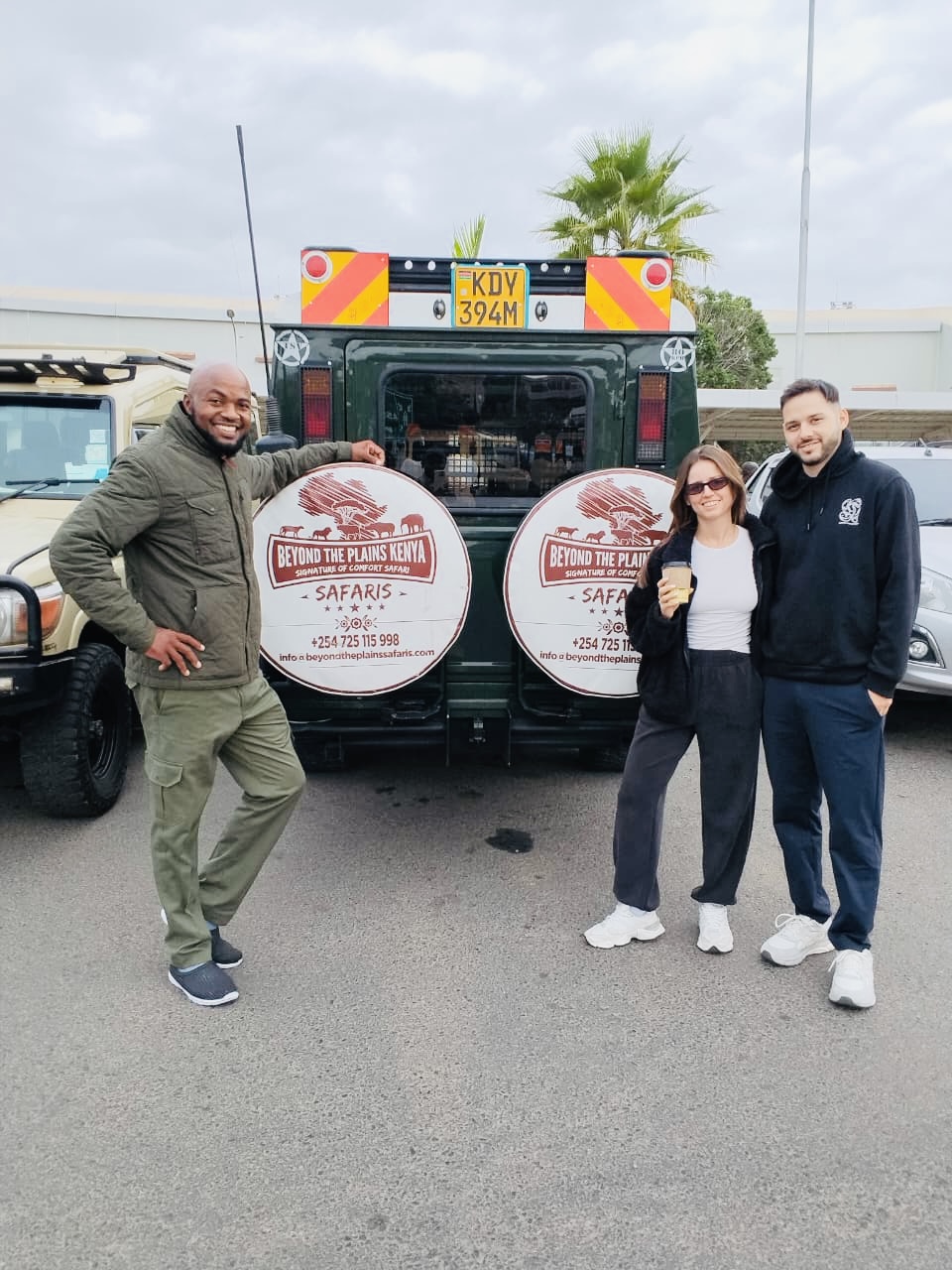
Happy safari tourists with their local Kenyan guide in front of safari vehicle
  • Direct relationships with Kenya's best camps and lodges
  • Real-time knowledge of wildlife movements and conditions
  • Personalized service and flexible itinerary adjustments
  • Better value through elimination of intermediaries
  • Your investment supports local communities directly
  • Decades of experience and established reputations
  • 24/7 support throughout your safari journey

Now is the perfect time to start planning your Kenya safari adventure. Early booking provides the best selection of accommodation, especially for peak season travel or popular lodges with limited capacity.

Connect With Kenya Safari Experts

Speak directly with locally-owned operators who will listen to your dreams and craft the perfect Kenya safari experience tailored specifically for you.

Request Your Custom Kenya Safari Quote

Share your safari vision with us. We'll create a personalized itinerary that matches your interests, travel style, and budget. All consultations are complimentary with no obligation.

We respect your privacy. Your information is secure and will never be shared with third parties.

Your African adventure awaits. The wildlife, landscapes, and cultures of Kenya will exceed your highest expectations. Let's begin planning your journey today.

Comments (0)

Leave a Comment

No comments yet. Be the first to comment!

Get In Touch

Get a Free Quote For Your Safari

Recent Blog Posts

Discover

Our Partners

Go To Top