
The Ultimate Kenya Safari Guide: Everything You Need to Know Before You Go (2026/2027)
Written by Linet Wanjiru, Senior Safari Specialist, Beyond the Plains Safaris
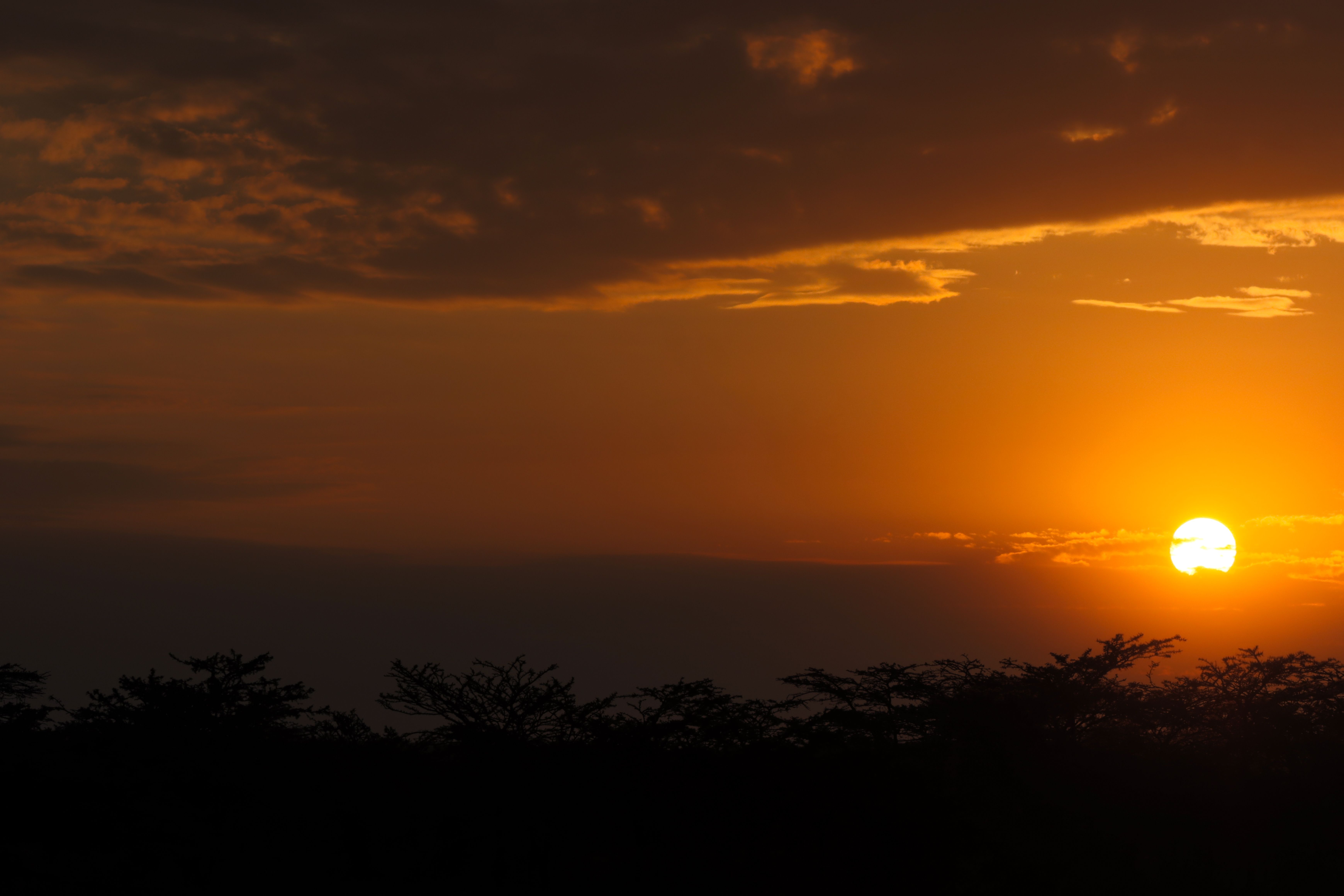
You've seen the footage — golden savannah, lions at dusk, a river crossing that looks too dramatic to be real. But most people who dream of a Kenya safari spend months researching without ever getting past the confusion of which park, which season, which budget, and which operator to trust. This guide gives you everything: a clear, honest breakdown of costs, parks, timing, and planning steps so you can stop dreaming and start booking with confidence.
Key Takeaways
- The Great Wildebeest Migration — the largest overland animal movement on Earth — involves over 1.5 million wildebeest and peaks in Kenya's Masai Mara between July and October.
- Kenya's national parks span radically different ecosystems, from open savannah to volcanic highlands, meaning the right park depends on your travel dates, target animals, and budget.
- Kenya safari costs range from approximately $150/day for budget camping safaris to $1,500+/day for ultra-luxury tented camps, with most packages inclusive of meals, park fees, and game drives.
- The best time to visit Kenya for wildlife is the dry season (June–October and January–February), though green season offers lower prices, fewer crowds, and exceptional birdwatching.
- First-time safari travelers should book through a KATO-member operator (Kenya Association of Tour Operators) at least 3–6 months in advance, particularly for peak-season Masai Mara visits.
- Beyond game drives, Kenya offers hot air balloon safaris, Maasai cultural experiences, rhino tracking in conservancies, and Indian Ocean beach extensions.
- Responsible safari choices — eco-certified lodges, community conservancies, and wildlife-ethical practices — directly fund Kenya's conservation success.
What Is a Kenya Safari and What Can You Realistically Expect?
A Kenya safari is a guided wildlife experience taking place across Kenya's national parks and private conservancies, most commonly involving morning and evening game drives in open 4×4 vehicles across habitats ranging from open savannah to acacia woodland. The word safari comes from the Swahili (and Arabic) word for "journey" — and in Kenya, that journey has evolved far beyond simply spotting the Big Five from a Land Cruiser.
Modern Kenya safaris encompass a remarkable range of experiences. Game drives remain the backbone of any trip, but visitors today can add walking safaris led by armed Maasai rangers, sunrise hot air balloon flights over the Mara, night drives in private conservancies, and immersive cultural visits to traditional Maasai manyattas (villages).
Masai Mara National Reserve travel guide
What distinguishes Kenya from other safari destinations is the combination of density, diversity, and accessibility. Kenya's parks are well-developed with excellent road infrastructure, English is widely spoken, and international flights connect directly into Nairobi's Jomo Kenyatta International Airport. For first-timers, this infrastructure reduces the logistical friction of a safari — without sacrificing wildness.
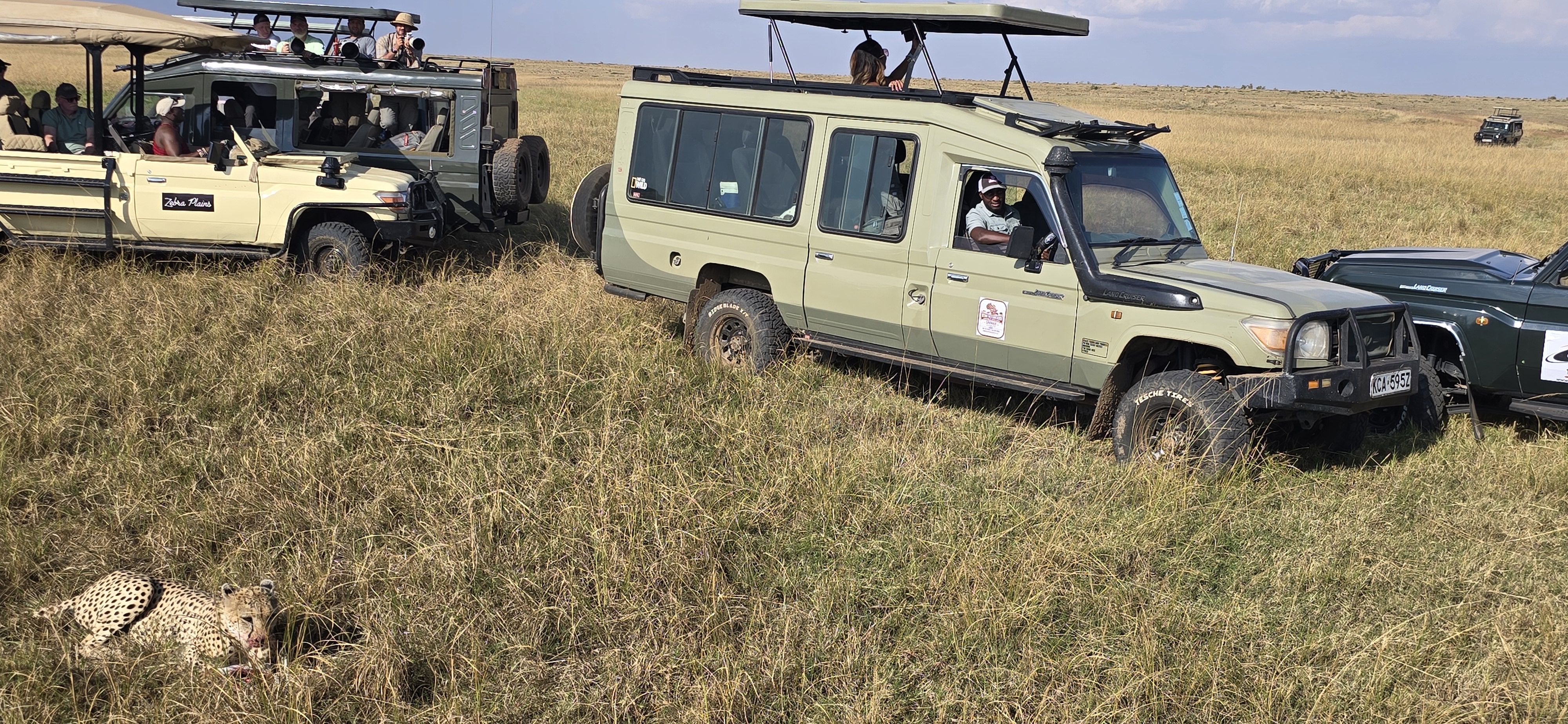
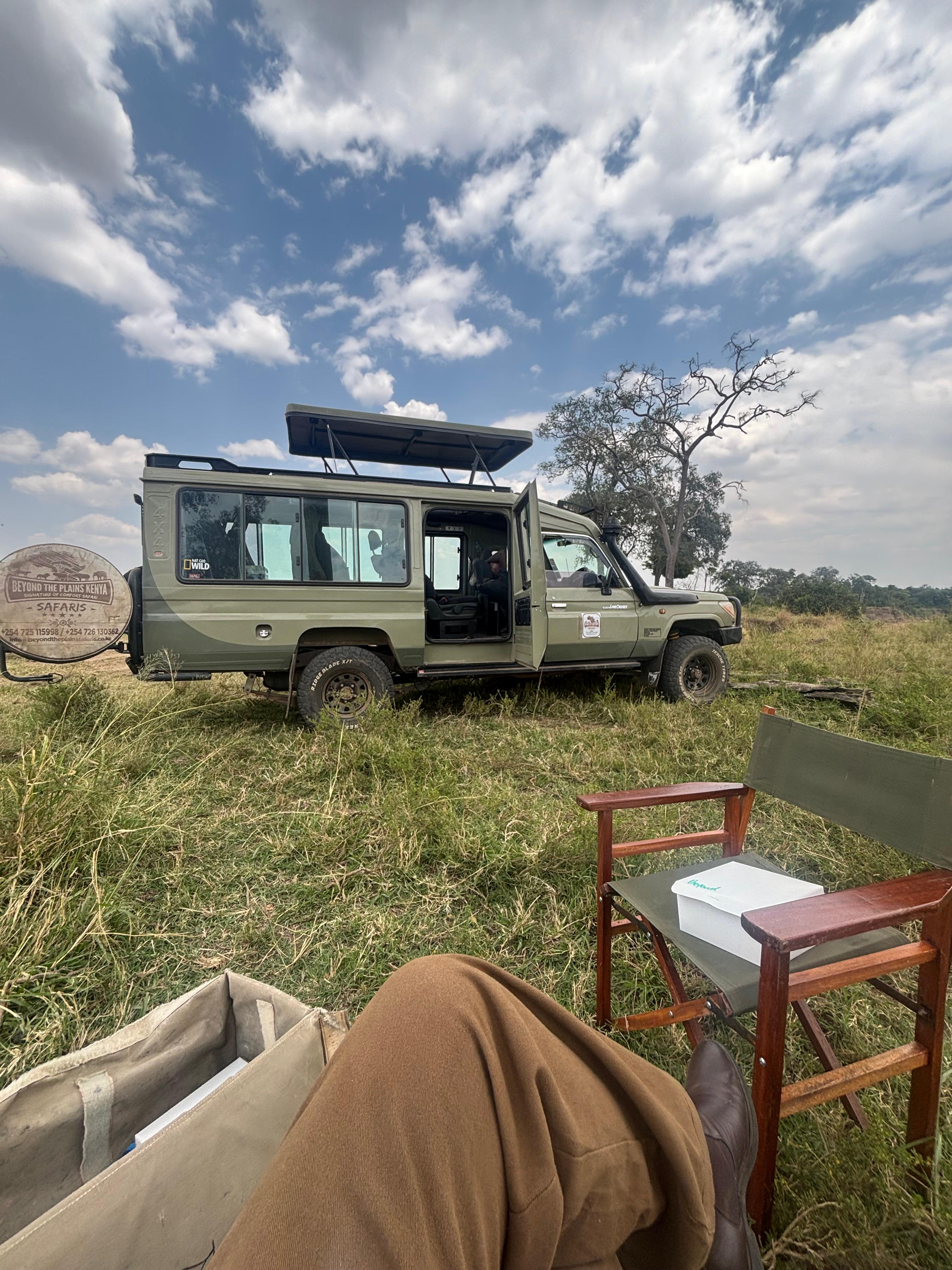
Realistically, here's what to expect on a typical game drive: You'll depart before sunrise in an open-roof 4×4, often with a professional guide who doubles as a naturalist. The best sightings happen in the first two hours after dawn and the two hours before dusk, when predators are most active. Between drives, most lodges offer hot meals, swimming pools, and guided bush walks. You will not be "roughing it" — even mid-range lodges offer comfortable beds, hot showers, and multi-course dinners.
Why Is Kenya Considered One of the Best Safari Destinations in Africa?
Kenya ranks among the world's top safari destinations because it combines unmatched wildlife density, diverse ecosystems, rich cultural heritage, and world-class tourism infrastructure within a single country. According to the Kenya Wildlife Service, Kenya's protected areas cover over 8% of the country's total land area — one of the highest proportions on the continent — Source: Kenya Wildlife Service, 2023.
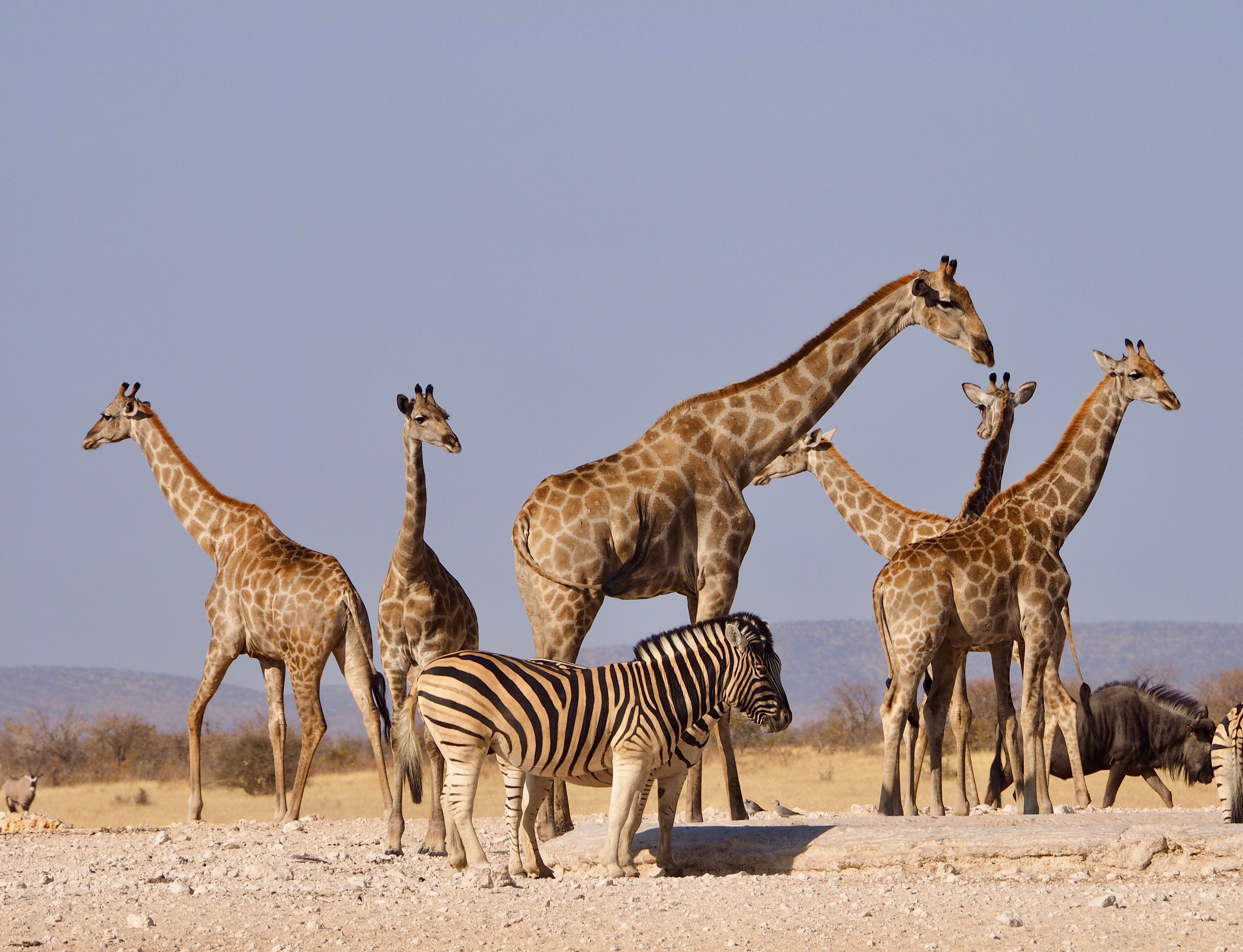
The ecological diversity is staggering. Within one country, you can photograph elephants against the snow-capped peak of Kilimanjaro in Amboseli, track rhinos across semi-arid scrubland in Samburu, watch flamingos turn Lake Nakuru pink, and witness the greatest wildlife spectacle on Earth in the Masai Mara — all within a single two-week trip.
Tanzania vs Kenya safari comparison
Kenya is home to all five members of the African Big Five — lion, leopard, elephant, Cape buffalo, and rhinoceros — with Ol Pejeta Conservancy offering one of Africa's last strongholds for both black and white rhino. Beyond the Big Five, Kenya hosts over 1,100 bird species, representing approximately 8% of the world's total — Source: Kenya Ornithological Society, 2022. That figure alone makes Kenya one of the premier birdwatching destinations on Earth.
Moreover, Kenya's rich Maasai culture adds a human dimension that few safari destinations can match. The Maasai people have coexisted with wildlife on these lands for centuries, and many community conservancies are now owned and operated by Maasai communities themselves — creating a model of conservation that directly benefits local people.
Which National Parks in Kenya Are Best for Wildlife Viewing?
Kenya's best national parks and game reserves each offer distinct wildlife experiences, and choosing the right one depends on your travel dates, target animals, and travel style. Below is a breakdown of the most important parks to consider.

Masai Mara National Reserve — Best for Big Cats and the Great Migration
The Masai Mara is Kenya's most famous wildlife destination and consistently ranks among the top safari reserves in the world. Located in southwestern Kenya, the Mara is a seamless extension of Tanzania's Serengeti ecosystem. It is the only place on Earth where you can witness the Great Wildebeest Migration's dramatic river crossings, where hundreds of thousands of wildebeest plunge into crocodile-filled waters between July and October.
Best safari lodges in the Masai Mara
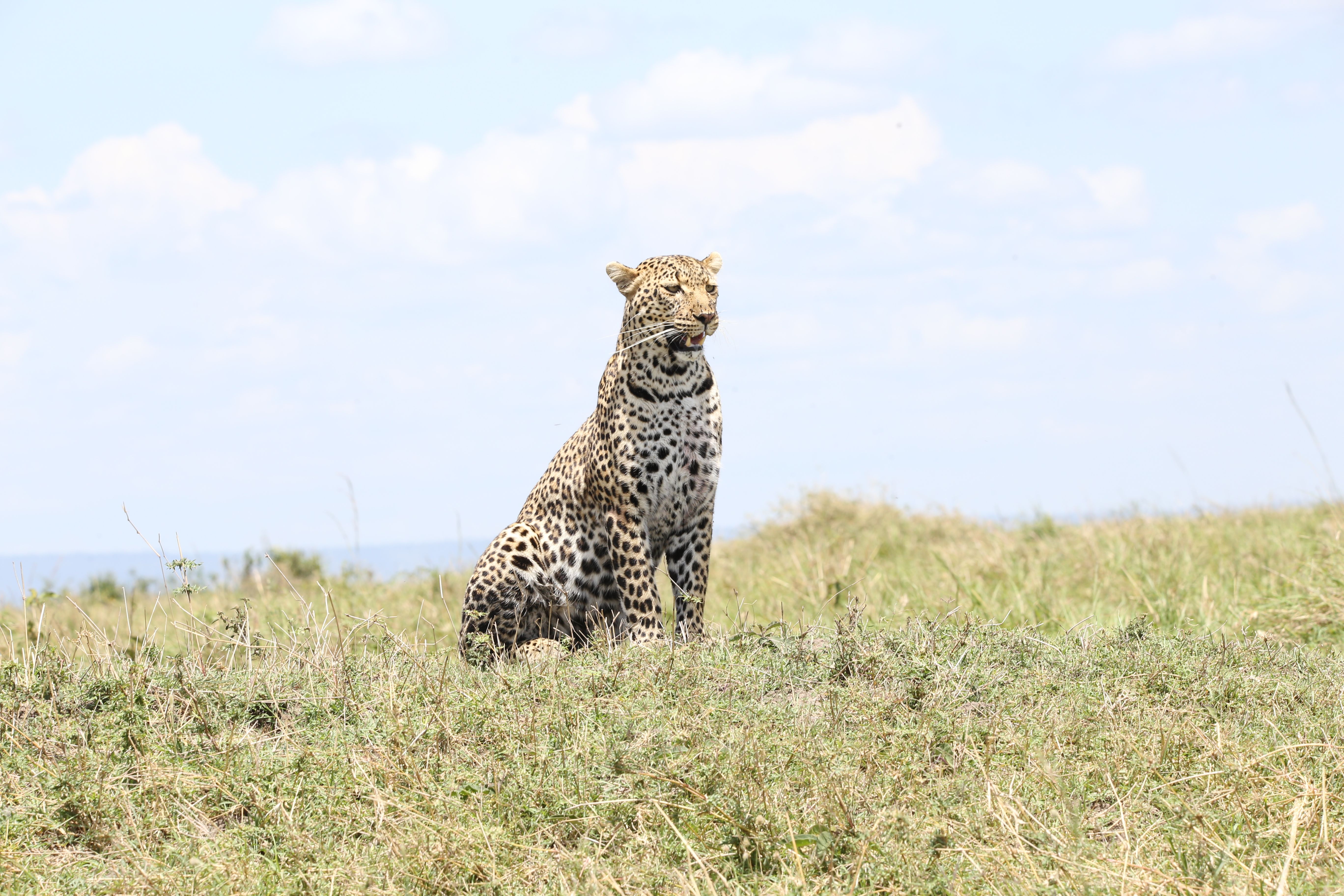
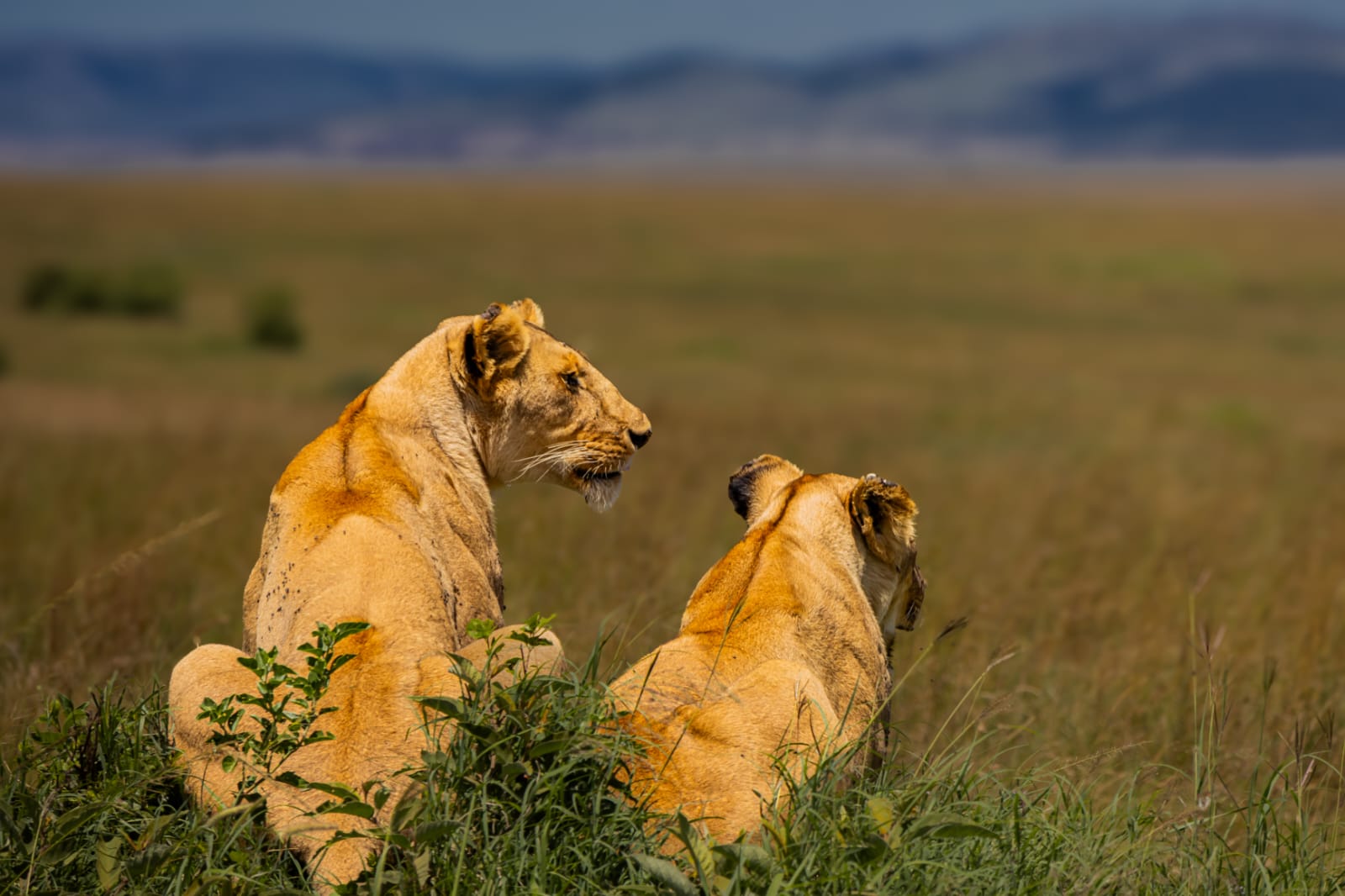
The Mara also boasts the highest lion density in Africa and exceptional leopard and cheetah sightings year-round. It suits first-timers, couples, and families equally well, though peak-season (August–September) crowds can be significant. Private conservancies bordering the reserve — such as Mara North and Olare Motorogi — offer exclusive game drives and walking safaris for those willing to pay more.
Amboseli National Park — Best for Elephants and Kilimanjaro Views
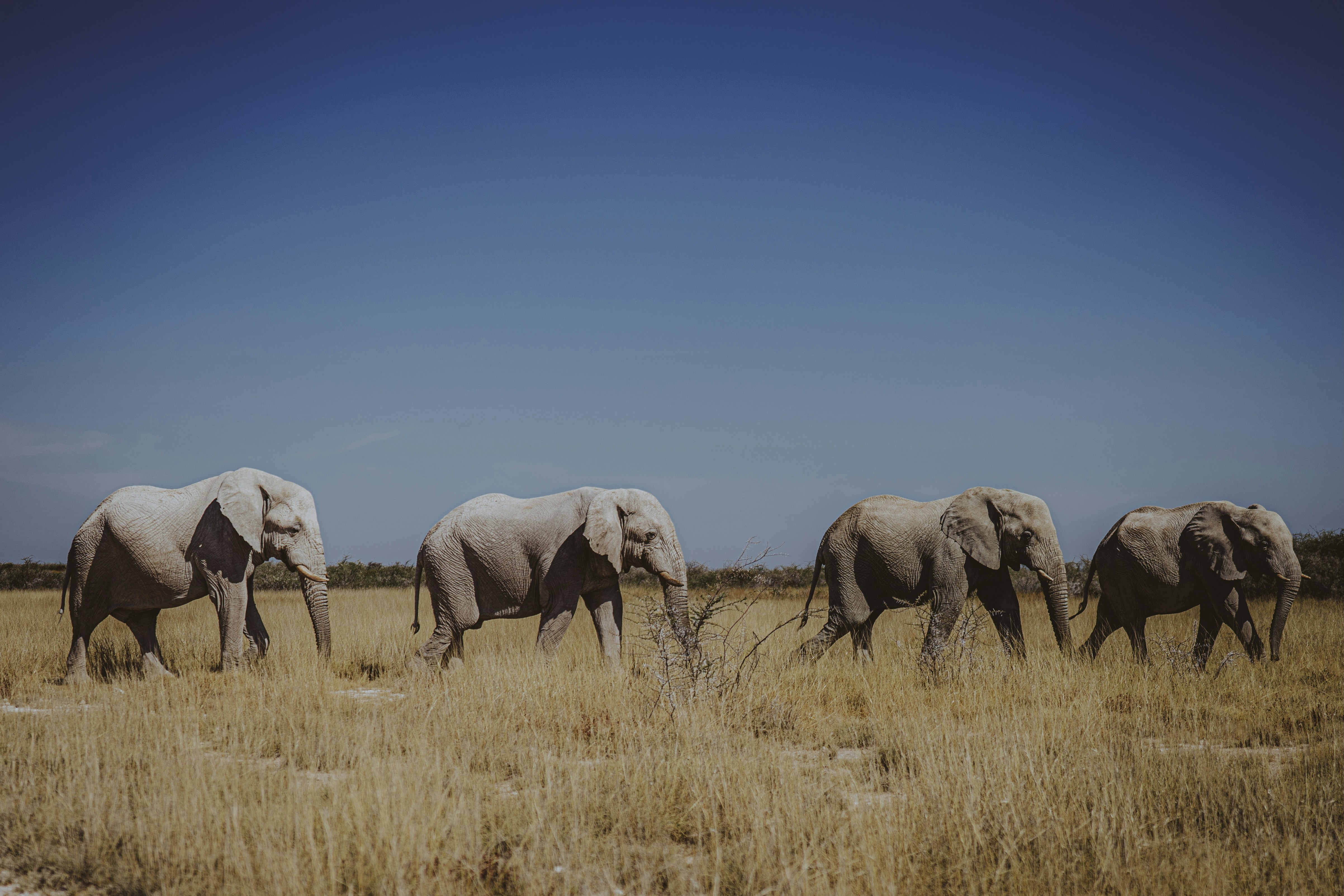
Amboseli National Park delivers one of Africa's most iconic photographs: large elephant herds wading through swamps with Mount Kilimanjaro rising behind them. The park's 392 square kilometers are small but dense with wildlife. Amboseli has one of Africa's best-studied elephant populations, with researchers tracking family groups for over 50 years — Source: Amboseli Elephant Research Project, 2023.
Amboseli suits photographers, elephant enthusiasts, and travelers combining Kenya with a Kilimanjaro climb. It is easily reached in a four-hour drive from Nairobi, making it ideal for short safaris.
Tsavo East and West — Best for Off-the-Beaten-Path Scale
Together, Tsavo East and Tsavo West form the largest protected area in Kenya, covering over 20,000 square kilometers. Tsavo is known for its famous "red elephants" — animals that coat themselves in the park's distinctive red volcanic dust — as well as large lion prides and the rare hirola antelope. Tsavo suits independent-minded travelers who prefer fewer tourist vehicles and a rawer, more remote feel. It is also a natural add-on for travelers combining a Mombasa beach holiday with a safari.
Samburu National Reserve — Best for Rare Northern Species
Samburu sits in Kenya's arid north and hosts species found nowhere else in Kenya: the reticulated giraffe, Grevy's zebra, Somali ostrich, gerenuk, and beisa oryx — collectively known as the "Samburu Special Five." The reserve is remote, exclusive, and spectacular. It pairs beautifully with the Masai Mara on a 10-day itinerary for travelers who want maximum wildlife variety.
Ol Pejeta Conservancy — Best for Rhinos and Conservation Tourism
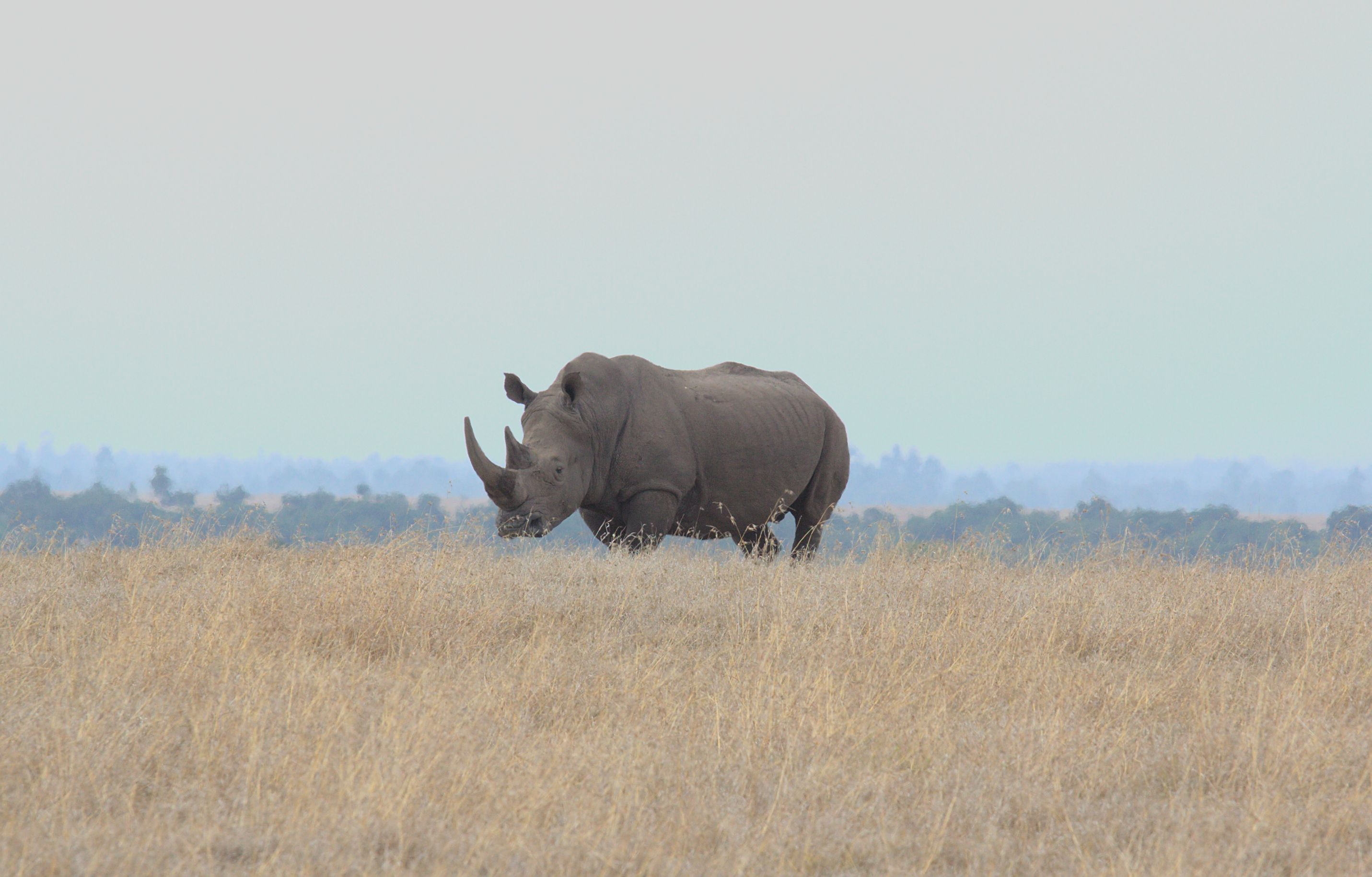
Ol Pejeta is a private conservancy in Laikipia, home to the world's largest black rhino sanctuary and the last two northern white rhinos on Earth. It is the best place in Kenya — and arguably in Africa — to see rhino at close range. Ol Pejeta also hosts chimpanzees (in a sanctuary), lions, elephants, and wild dogs.
Lake Nakuru National Park — Best for Flamingos and Rhinos
Lake Nakuru's alkaline waters attract enormous flocks of flamingos, creating one of East Africa's most surreal landscapes. The park is also a critically important sanctuary for both black and white rhino. It works perfectly as a one-night stopover between Nairobi and the Masai Mara.
When Is the Best Time to Go on Safari in Kenya?
The best time to visit Kenya for a safari is during the dry season months of June through October, when vegetation is sparse, wildlife congregates around water sources, and the Great Migration river crossings occur in the Masai Mara. However, Kenya is a year-round safari destination, and each season has specific advantages.
Month-by-Month Breakdown
| Month | Season | Highlights | Crowds & Cost |
|---|---|---|---|
| Jan–Feb | Dry (short) | Excellent game viewing, wildebeest calving in Serengeti | Low–medium crowds, competitive rates |
| Mar–May | Long rains | Lush landscapes, superb birdwatching, baby animals | Low crowds, lowest prices |
| Jun–Jul | Dry season begins | Big cat activity rises, Migration enters Kenya | Crowds building, prices rising |
| Aug–Sep | Peak dry season | Migration river crossings at peak, superb all-round viewing | Highest crowds, peak prices |
| Oct | Late dry | Migration tapering, excellent big cat sightings | Crowds easing |
| Nov–Dec | Short rains | Migratory birds arrive, green landscapes, good value | Low–medium crowds, lower prices |
What Is the Great Migration and When Can You See It in Kenya?
The Great Wildebeest Migration involves over 1.5 million wildebeest, 200,000 zebras, and 500,000 gazelles moving in a circular route between Tanzania's Serengeti and Kenya's Masai Mara, making it the largest overland animal migration on Earth — Source: WWF, 2023. The herds enter Kenya's Masai Mara from approximately July and remain through October before returning south. The famous Mara River crossings — where wildebeest battle crocodiles in churning water — are entirely unpredictable in timing but most likely in August and September.
Green Season Advantages (Often Overlooked)
First-time travelers fixate on the dry season, but the green season (November–May) offers genuine advantages that experienced safari travelers know well. Prices at lodges drop by 20–40%, crowds thin dramatically, newborn animals appear across the savannah in January and February, and Kenya transforms into an extraordinary birdwatching destination as migratory species arrive from Europe and Asia. The landscapes are vivid and photogenic. The experience is more personal. For travelers on a tighter budget or those who hate crowds, green season is the insider's choice.
How Much Does a Kenya Safari Cost in 2026/2027?
Kenya safari costs vary significantly by tier: budget camping safaris typically start at $100–$200 per person per day, mid-range lodge safaris range from $300–$600 per day, and luxury tented camps can exceed $1,500 per person per day, with most prices inclusive of meals, park fees, and game drives.
Budget Safaris ($100–$200/person/day)
Budget safaris typically involve shared group vehicles (often 6–8 people), camping in public campsites or basic bandas (cabins) inside national parks, and self-catering or basic meals. This tier is best suited to backpackers, gap year travelers, and those prioritizing wildlife over accommodation comfort. Park entry fees alone add $80–$100/day per person in places like the Masai Mara, so budget carefully.
Mid-Range Safaris ($300–$600/person/day)
Mid-range safaris offer private or semi-private vehicles, comfortable lodge or tented camp accommodation with en-suite bathrooms, all meals, and professional guiding. This is the most popular tier for first-time travelers and couples. The experience is excellent — you sacrifice little in terms of wildlife access — and the quality of guiding at this tier is generally very high.
Luxury Safaris ($600–$1,500+/person/day)
Luxury safaris deliver exclusive-use vehicles with expert private guides, world-class tented camps with butler service and plunge pools, gourmet cuisine, and activities such as private hot air balloon flights and helicopter transfers. Ultra-luxury camps like Mahali Mzuri and Angama Mara regularly appear on global "best hotels in the world" lists and offer unmatched exclusivity. For special occasions or travelers who want the finest possible experience, the premium is worth it.
Additional Costs to Budget For
- International flights to Nairobi: $700–$1,800 from the US/UK/Australia depending on season
- Domestic flights (e.g., Nairobi to Masai Mara): $200–$400 return
- Visas: Kenya e-visa costs approximately $51 USD for most nationalities [Internal link: "Kenya visa requirements for tourists" → Visa/entry requirements guide]
- Tipping: Budget $10–$20/day per guide and $5–$10/day per lodge staff member
- Travel insurance: $100–$300 depending on coverage level — non-negotiable for safari travel
- Vaccinations: Yellow fever vaccination required if arriving from certain countries; malaria prophylaxis strongly recommended [Internal link: "Africa travel vaccinations and health requirements" → Health/travel prep guide]
How Do You Plan and Book a Kenya Safari Step by Step?
Planning a Kenya safari follows a clear sequence: research your parks and season, set a realistic budget, choose between a DIY or tour operator approach, handle travel logistics, and finalize your itinerary at least 3–6 months before departure.
Step 1: Choose Your Parks and Season
Start by identifying your non-negotiables. If the Great Migration is your priority, you must be in the Masai Mara between July and October. If elephants and Kilimanjaro views are the draw, Amboseli works year-round. Most first-timers combine two parks over 7–10 days — commonly the Mara plus Amboseli or the Mara plus Samburu.
Step 2: Set Your Budget and Choose an Accommodation Tier
Be honest about your budget before speaking to operators. The single biggest mistake first-timers make is underestimating true trip cost. A $300/day mid-range safari over 7 nights quickly approaches $4,500 in accommodation alone before flights and extras.
Step 3: DIY or Tour Operator?
Self-drive safaris are possible in Kenya but strongly discouraged for first-timers. Roads inside parks are often unmarked, animals are difficult to locate without experience, and park regulations vary. A reputable Kenya-based tour operator or KATO (Kenya Association of Tour Operators) member will handle park fees, logistics, accommodation bookings, and expert guiding — and typically saves you money through volume rates.
How Do You Choose a Reputable Kenya Safari Operator or Lodge?
Choosing the right operator is the most important decision in planning a Kenya safari. Look for KATO membership (Kenya's official tour operator certification body), verifiable reviews on platforms like Tripadvisor and SafariBookings, and transparent pricing with clear inclusions. Ask every operator the same three questions: How many years have your guides been operating in this specific park? What vehicle will I be in and how many clients share it? What is your cancellation and refund policy? A trustworthy operator answers all three without hesitation.
What Should You Pack for a Kenya Safari?
A Kenya safari packing list centers on neutral-colored, lightweight clothing in khaki, olive, and tan tones (avoid white and bright colors, which startle animals). Key items include a quality pair of binoculars, a wide-brimmed hat, high-SPF sunscreen, a headlamp, and sturdy closed-toe shoes for walking safaris. Carry any prescription medications in sufficient supply, as remote lodges have limited access to pharmacies.
What Are the Best Kenya Safari Itineraries for 7 or 10 Days?
Kenya safari itineraries work best when they balance park variety with realistic travel distances. Flying between parks saves time and opens up combinations that would be exhausting by road.
5-Day Kenya Safari (Budget–Mid-Range)
Best for: First-timers on a tight schedule or budget
- Day 1: Arrive Nairobi, overnight at airport hotel
- Day 2–4: Masai Mara National Reserve (3 nights, 2 full game drive days)
- Day 5: Morning game drive, afternoon drive/fly back to Nairobi, depart
Estimated cost: $1,200–$2,500/person (excluding flights)
7-Day Kenya Safari (Mid-Range)
Best for: Couples, families, and first-timers wanting depth
- Day 1: Arrive Nairobi
- Day 2–3: Amboseli National Park (2 nights — elephants and Kilimanjaro)
- Day 4: Fly or drive to Masai Mara
- Day 5–7: Masai Mara (3 nights, including a morning balloon safari)
- Day 7: Fly back to Nairobi, depart
10-Day Kenya Safari (Mid-Range to Luxury)
Best for: Serious wildlife lovers, photographers, and repeat Africa travelers
- Day 1: Arrive Nairobi
- Day 2–3: Amboseli National Park
- Day 4: Fly north to Samburu National Reserve
- Day 5–6: Samburu (Samburu Special Five)
- Day 7: Fly to Masai Mara
- Day 8–10: Masai Mara (including hot air balloon safari and Maasai village visit)
- Day 10: Fly to Nairobi, depart (or extend to Diani Beach)
Estimated cost: $4,500–$10,000+/person (excluding flights)
Kenya Safari Tips, Safety, and What to Expect
Kenya is safe for safari travelers when visiting established national parks and reputable lodges, with standard precautions applied. The parks themselves are among the safest places in Kenya — wildlife is the only real hazard, and experienced guides manage animal encounters expertly.
Is Kenya Safe for Safari Travelers?
Kenya's national parks and private conservancies are well-secured, professionally managed environments. The most commonly cited safety concerns in Kenya relate to urban areas of Nairobi (particularly at night) rather than park environments. Travelers should follow standard urban precautions: use reputable taxis or ride-shares (Bolt and Uber operate widely in Nairobi), avoid displaying expensive equipment publicly, and stay in established neighborhoods near the airport when overnighting in the city.
Game Drive Etiquette and Wildlife Safety
First-time safari travelers are often surprised by how close animals allow vehicles to approach. Stay inside the vehicle at all times during game drives — this is both a safety rule and a park regulation. Animals perceive vehicles as non-threatening; a standing human is a different matter. Never feed wildlife. Keep noise minimal near predators. Follow your guide's instructions without question during any animal encounter.
Tipping Culture in Kenya
Tipping is an important part of safari culture and represents a significant portion of guides' income. The standard tip for a safari guide is $10–$20 USD per day per guest, while camp staff (housekeeping, kitchen, and general staff) typically receive $5–$10/day collectively. Many lodges provide tipping envelopes at checkout. Tip in cash (USD or Kenyan shillings are both accepted) at the end of your stay.
Common Mistakes to Avoid
- Booking too late: Peak-season Masai Mara camps fill 6–12 months in advance
- Under-budgeting: Not accounting for park fees, tips, and domestic flights
- Over-scheduling: Trying to visit four parks in seven days leads to exhaustion, not enrichment
- Ignoring malaria risk: Malaria prophylaxis is strongly recommended for all Kenya park areas
- Packing wrong colors: Bright clothing can disturb wildlife and mark you as an inexperienced traveler
What Unique Experiences Can You Have Beyond Game Drives in Kenya?
Kenya safari experiences extend far beyond game drives, offering hot air balloon safaris, cultural immersions, rhino tracking, beach extensions, and mountain adventures that transform a wildlife trip into a comprehensive Africa journey.
Hot Air Balloon Safari Over the Masai Mara
A hot air balloon safari in the Masai Mara is one of the most extraordinary wildlife experiences on Earth. Rising before dawn, you drift silently over the savannah as the sun rises and herds move below — an entirely different perspective from a ground-level game drive. Flights typically last 60–90 minutes and conclude with a champagne bush breakfast. Cost: approximately $450–$550 per person.
Maasai Village Cultural Visits
A genuine Maasai village visit — arranged through your lodge or a community-owned tourism organization — offers profound insight into a culture that has stewarded these lands for centuries. Authentic visits involve direct payment to the community (not to a middleman operator), a traditional welcome, insight into Maasai herding and beekeeping practices, and the opportunity to buy crafts directly from artisans. Avoid visits that feel performative or overly staged; ask your operator how community payments are structured before booking.
Rhino Tracking at Lewa and Ol Pejeta
Both Lewa Wildlife Conservancy and Ol Pejeta Conservancy in Laikipia offer guided rhino tracking on foot — one of Africa's most exhilarating wildlife experiences. Approaching a black rhino on foot, guided by armed rangers with deep knowledge of individual animals, is fundamentally different from a vehicle encounter. These conservancies also contribute directly to rhino breeding programs and anti-poaching operations.
Beach Extension to Mombasa or Diani
Kenya's Indian Ocean coastline is one of East Africa's best-kept secrets. Diani Beach, south of Mombasa, consistently ranks among Africa's top beaches — with white coral sand, turquoise water, and excellent snorkeling reefs. A 3–4 night beach extension after a Masai Mara safari creates a perfect "bush and beach" journey. Direct flights connect Nairobi to Mombasa in one hour, making the extension effortless.
Combining with Kilimanjaro or Gorilla Trekking
Ambitious travelers can combine a Kenya safari with a Kilimanjaro climb in Tanzania (accessed via Amboseli) or add gorilla trekking in Rwanda or Uganda on a two-to-three week East Africa journey. These combinations require additional planning and budget, but create an unmatched wildlife expedition.
Conclusion: Is a Kenya Safari Worth It?
A Kenya safari is absolutely worth it — and for most travelers who make the trip, it becomes one of the defining experiences of their lives. From watching a cheetah stalk prey across open grassland to standing at the edge of the Mara River as thousands of wildebeest charge into the water, Kenya delivers moments that no photograph fully captures and no description adequately prepares you for.
The barriers — cost, distance, complexity — are all surmountable. This guide has given you the framework: choose your parks based on season and interests, set a realistic budget, book through a KATO-certified operator well in advance, and add one or two experiences beyond the game drive. That combination delivers not just a holiday, but a story you'll tell for decades.
The only real mistake is waiting too long to go.
Ready to start planning? Contact a reputable Kenya safari specialist, begin collecting your travel documents, and download our Kenya safari packing list to get organized. The savannah is waiting.
Written by: Linet Wanjiru, Senior Safari Specialist, Beyond the Plains Safaris. Linet has guided and designed Kenya safari itineraries for over a decade, specializing in first-timer experiences across the Masai Mara, Amboseli, and Samburu ecosystems.
Reviewed by: Beyond the Plains Safaris Editorial Team, verified against Kenya Wildlife Service regulations and KATO operator guidelines (2026).
Disclaimer: This article was initially drafted using AI assistance. However, the content has undergone thorough revisions, editing, and fact-checking by human editors and subject matter experts to ensure accuracy.


Comments (0)
Leave a Comment
No comments yet. Be the first to comment!