

Embarking on an Africa Safari is a thrilling adventure that promises unforgettable experiences. The vast savannas, diverse wildlife, and rich cultural heritage make it a once-in-a-lifetime journey. As you plan your trip, understanding the costs, choosing the right destinations, and gathering expert tips are crucial for a seamless and enjoyable experience.
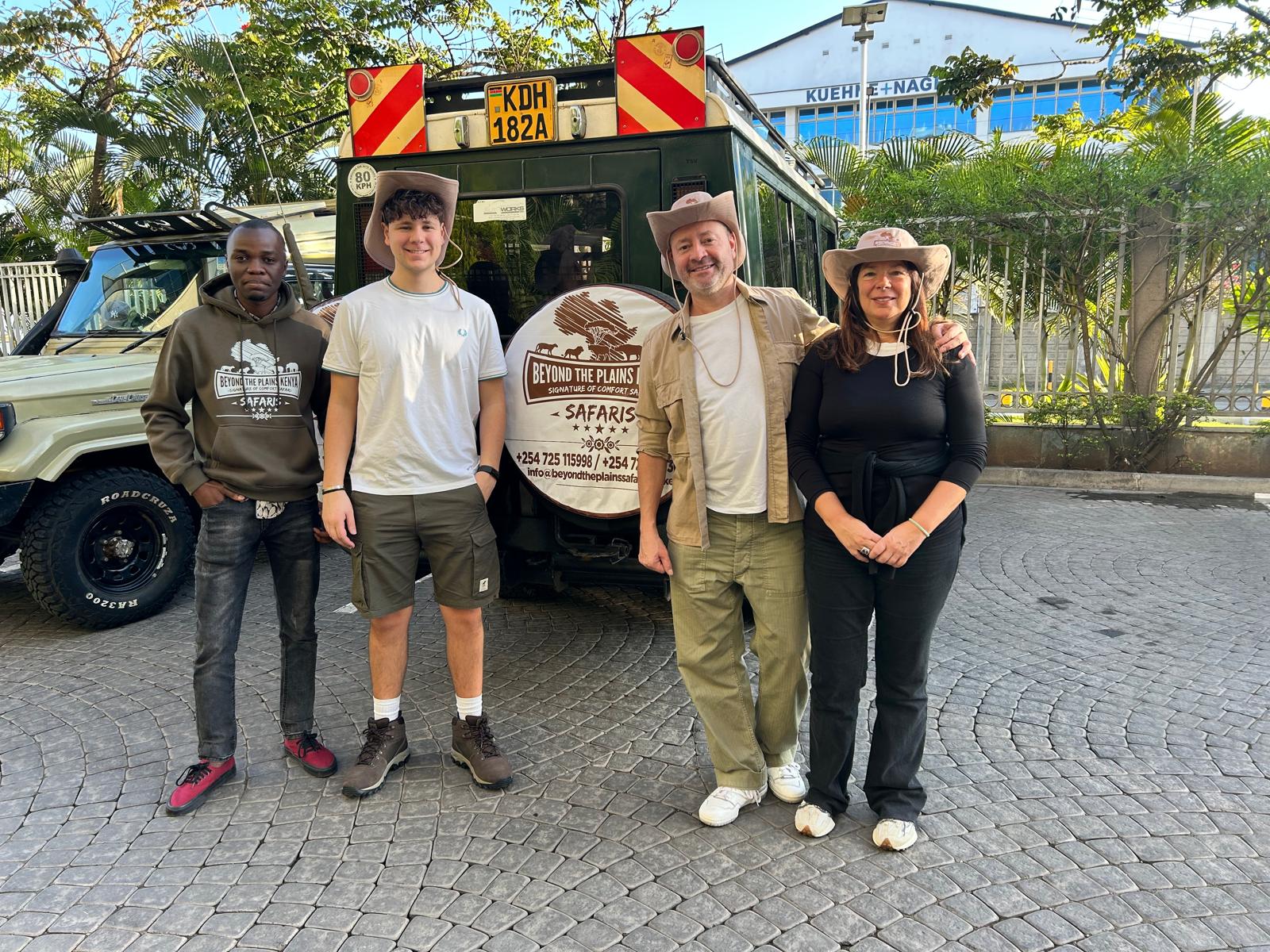
This article will guide you through the essential aspects of planning your dream safari, from budgeting and selecting the perfect destination to insider tips that will enhance your travel experience.
Key Takeaways
- Understanding the costs associated with an Africa Safari
- Exploring top destinations for a memorable experience
- Gathering expert tips for a seamless journey
- Learning how to plan a safari that fits your budget
- Discovering the best times to visit different regions
1. What Is an Africa Safari and Why It's a Once-in-a-Lifetime Experience
An African safari is more than just a vacation; it's an immersive adventure into the world's most diverse and vibrant ecosystems. This experience offers a unique blend of exploration, education, and connection with nature.
1.1 Understanding the True Safari Experience
A safari is an expedition to observe and appreciate wildlife in their natural habitat. Unlike controlled environments, a safari offers an authentic experience, allowing participants to witness the intricate dynamics of ecosystems firsthand. The essence of a safari lies in its ability to connect travelers with the natural world, fostering a deeper appreciation for conservation.
1.2 Why Africa Offers the World's Best Wildlife Encounters
Africa is renowned for its rich biodiversity and vast, untouched landscapes. The continent is home to iconic species such as lions, elephants, and giraffes, making it a premier destination for wildlife enthusiasts. The Great Migration, for instance, is a spectacle that draws visitors from around the globe, showcasing the awe-inspiring power of nature.
1.3 What Makes a Safari Different from a Zoo or Wildlife Park
Unlike zoos, safaris provide an immersive experience in the natural habitat of the animals. This setting allows for a more profound connection with nature and a deeper understanding of the wildlife. As noted by a seasoned safari guide,
"A safari is not just about seeing animals; it's about experiencing the land, the culture, and the community."
| Aspect | Safari | Zoo/Wildlife Park |
|---|---|---|
| Environment | Natural Habitat | Controlled Environment |
| Interaction | Observational | Sometimes Interactive |
| Experience | Immersive | Structured Viewing |
In conclusion, an African safari offers a unique and enriching experience that combines adventure, education, and connection with nature. Whether you're a seasoned traveler or embarking on your first safari, the memories and insights gained are sure to be unforgettable.
2. Best African Safari Destinations for First-Time Visitors
Africa offers a diverse array of safari destinations, each with its unique charm and attractions, making it essential to choose wisely for a first-time visit. The continent is home to numerous national parks and wildlife reserves, teeming with incredible biodiversity and offering unforgettable safari experiences.
2.1 Tanzania: Serengeti National Park and Ngorongoro Crater
Tanzania stands out as a premier safari destination, thanks to its iconic Serengeti National Park and the Ngorongoro Crater. The Serengeti is renowned for its vast plains and the Great Migration, where millions of wildebeest, zebras, and gazelles migrate in search of greener pastures. The Ngorongoro Crater, on the other hand, is the world's largest intact caldera and is often referred to as the "Garden of Eden" due to its rich biodiversity.
2.2 Kenya: Masai Mara National Reserve and Amboseli National Park
Kenya is another top destination for first-time safari-goers, with the Masai Mara National Reserve being a highlight. Known for its abundant lion populations and the annual wildebeest migration, Masai Mara offers some of the best wildlife viewing in Africa. Amboseli National Park is also a must-visit, famous for its large elephant herds and stunning views of Mount Kilimanjaro.
2.3 Botswana: Okavango Delta and Chobe National Park
Botswana is a haven for those seeking a more exclusive and pristine safari experience. The Okavango Delta, a UNESCO World Heritage Site, is a watery wonderland that supports a wide variety of wildlife. Chobe National Park is known for its massive elephant populations and offers excellent game viewing opportunities.
2.4 South Africa: Kruger National Park and Private Game Reserves
South Africa is home to some of the most well-managed and accessible safari destinations. Kruger National Park is one of Africa's largest game reserves, offering an incredible diversity of wildlife. The private game reserves adjacent to Kruger, such as Sabi Sands, offer luxurious safari lodges and personalized game viewing experiences.
2.5 Rwanda and Uganda: Mountain Gorilla Trekking Safaris
For those interested in mountain gorilla trekking, Rwanda and Uganda are the places to go. Volcanoes National Park in Rwanda and Bwindi Impenetrable National Park in Uganda offer guided treks to observe these majestic creatures in their natural habitat.
2.6 Zambia and Zimbabwe: Victoria Falls and Walking Safaris
Zambia and Zimbabwe are known for the mighty Victoria Falls, one of the world's most spectacular natural wonders. Beyond the falls, both countries offer excellent opportunities for walking safaris, allowing visitors to experience the African bush up close.
| Destination | Main Attractions | Best Time to Visit |
|---|---|---|
| Tanzania | Serengeti National Park, Ngorongoro Crater | June to October |
| Kenya | Masai Mara National Reserve, Amboseli National Park | July to October |
| Botswana | Okavango Delta, Chobe National Park | May to October |
| South Africa | Kruger National Park, Private Game Reserves | May to September |
| Rwanda & Uganda | Mountain Gorilla Trekking | Year-round |
| Zambia & Zimbabwe | Victoria Falls, Walking Safaris | April to October |
3. Wildlife You'll Encounter: The Big Five and Beyond
The essence of an Africa safari lies in its incredible wildlife, including the revered Big Five and a myriad of other fascinating creatures. The term "Big Five" was originally coined by hunters to denote the five most challenging and dangerous animals to hunt on foot. Today, it refers to the five most iconic animals that tourists hope to see on their safari adventure.
3.1 The Big Five: Africa's Most Iconic Animals
The Big Five are the crown jewels of any African safari. They include the African Lion, African Leopard, African Elephant, Cape Buffalo, and Black and White Rhinoceros. Each of these animals has unique characteristics and plays a vital role in the ecosystem.
3.1.1 African Lion
The African Lion is known as the "king of the jungle," although it prefers grasslands and savannas. Lions are social animals that live in prides, which are typically made up of several females, their cubs, and one or more males.
3.1.2 African Leopard
The African Leopard is a solitary and nocturnal animal, making it one of the most elusive Big Five to spot. Leopards are known for their agility and stealth, often dragging their prey into trees to feed or hide it from other predators.
3.1.3 African Elephant
The African Elephant is the largest land animal on Earth, characterized by its massive ears and tusks. Elephants are highly intelligent and social creatures, living in large matriarchal herds.
3.1.4 Cape Buffalo
The Cape Buffalo is known for its unpredictable behavior and is considered one of the most dangerous Big Five animals. Buffaloes are large, powerful bovids that live in large herds, often near water sources.
3.1.5 Black and White Rhinoceros
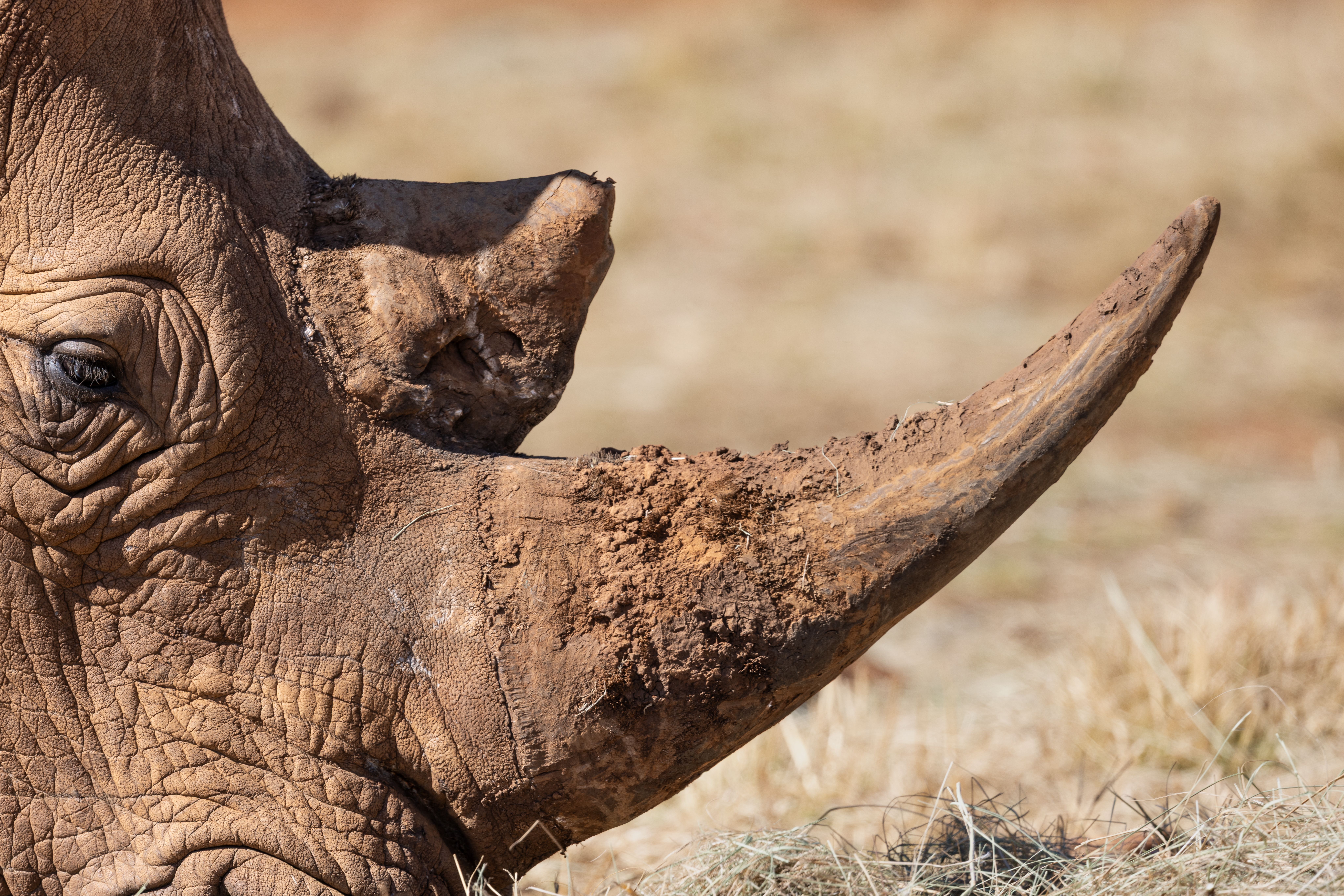
The Black and White Rhinoceros are both iconic and endangered species. Rhinos are characterized by their thick skin and distinctive horns, made of keratin. They are herbivores and are often found in grasslands and savannas.
| Big Five Animal | Habitat | Diet | Conservation Status |
|---|---|---|---|
| African Lion | Savannas, grasslands | Carnivore | Vulnerable |
| African Leopard | Forests, savannas | Carnivore | Vulnerable |
| African Elephant | Savannas, forests | Herbivore | Endangered |
| Cape Buffalo | Savannas, grasslands | Herbivore | Least Concern |
| Black and White Rhinoceros | Grasslands, savannas | Herbivore | Critically Endangered |
3.2 Other Incredible Wildlife: Cheetahs, Giraffes, Zebras, and More
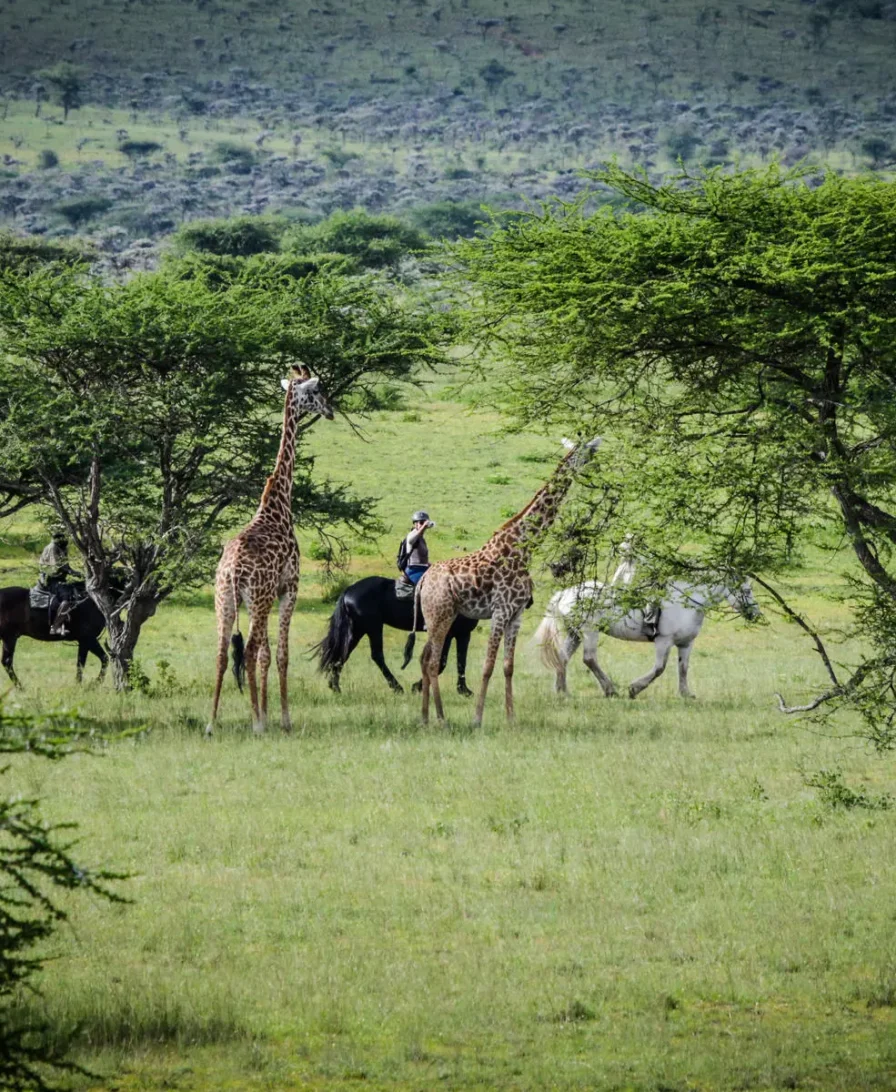
Beyond the Big Five, Africa is home to a diverse array of wildlife that adds to the richness of the safari experience. Cheetahs, the fastest land animals, can be seen sprinting across the savannas. Giraffes, with their long necks, roam the open plains, feeding on treetops. Zebras, known for their distinctive stripes, are often seen in large herds.
3.3 Birdwatching Opportunities on Safari
Africa is a paradise for birdwatchers, with over 2,000 species recorded across the continent. From the majestic African Fish Eagle to the vibrant Lilac-Breasted Roller, the variety of birdlife is staggering. Many safari destinations offer guided birdwatching tours, providing enthusiasts with the opportunity to spot rare and exotic species.
4. Types of African Safari Tours: Finding Your Perfect Match
The African continent is home to numerous safari tour options, including luxury, mobile, and walking safaris. With such a wide range of choices, travelers can select the safari experience that best fits their interests, budget, and preferred level of adventure.
Luxury Safari Lodges and Tented Camps
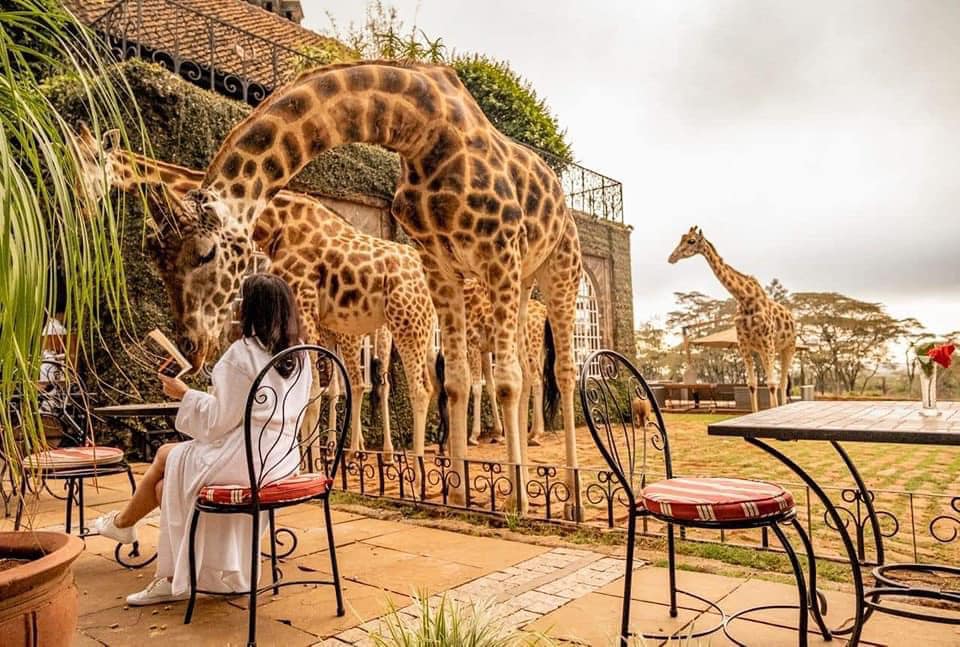
For those seeking comfort and luxury, African safari lodges and tented camps offer high-end accommodations and exceptional service. These lodges often feature fine dining, swimming pools, and spa services, providing a luxurious base from which to explore the surrounding wilderness.
Luxury safari lodges are designed to blend seamlessly into their natural surroundings, offering unobstructed views of the savannah and easy access to game drives and other safari activities.
Mobile and Camping Safaris for Adventure Seekers
Adventure seekers often prefer mobile and camping safaris, which offer a more immersive and rugged experience. These safaris involve traveling to remote areas, setting up camp, and enjoying the raw beauty of the African bush.
- Immersive Experience: Camping safaris allow travelers to be fully immersed in nature, often staying in remote areas away from traditional lodges.
- Flexibility: Mobile safaris offer the flexibility to change itineraries based on wildlife movements and other factors.
Private Safaris vs Group Safari Tours
Travelers can choose between private safaris and group tours, each offering distinct advantages. Private safaris provide a personalized experience, allowing guests to tailor their itinerary to their specific interests.
Group tours, on the other hand, offer a more social experience, allowing travelers to meet and interact with others who share similar interests.
Self-Drive Safari Options in Southern Africa
For those who enjoy driving and exploring at their own pace, self-drive safaris are an excellent option. Southern Africa, with its well-maintained roads and scenic routes, is particularly well-suited for self-drive adventures.
Self-drive safaris offer the freedom to create your own itinerary and stop at attractions along the way.
Walking Safaris and Bush Walks
Walking safaris and bush walks provide a unique opportunity to explore the African bush on foot, accompanied by experienced guides. These safaris offer a chance to learn about the smaller details of the ecosystem, such as plants, insects, and tracks.
Photographic Safari Experiences
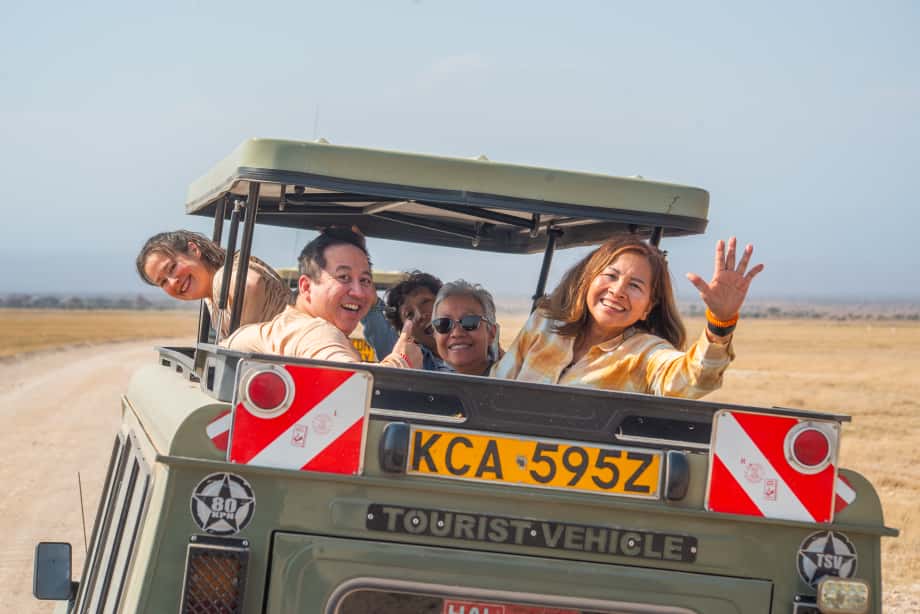
Photographic safaris are designed for those passionate about capturing the beauty of Africa's wildlife and landscapes. These safaris often feature expert guides who provide tips on photography techniques and help participants get the best shots.
Photographic safaris typically take place during the early morning and late afternoon when lighting conditions are optimal.
Family Safari Packages with Kid-Friendly Activities
Family-friendly safari packages cater to travelers with children, offering activities and accommodations suitable for all ages. These packages often include kid-friendly game drives, educational programs, and other activities designed to engage younger travelers.
Many safari lodges and camps offer special family packages, making it easier for families to enjoy a safari vacation together.
5. Best Time to Go on an Africa Safari
The timing of your Africa safari can significantly impact your wildlife viewing opportunities. Understanding the seasonal variations across different regions is key to planning a successful safari.
Understanding the Dry Season vs Green Season
Africa's savannas and grasslands experience two main seasons: the dry season and the green season. The dry season, typically from May to October, is characterized by dry weather and scarce water sources, making wildlife easier to spot as they congregate around remaining waterholes.
In contrast, the green season, which occurs during the wet season (usually November to April), brings lush vegetation and abundant water, making it a great time for birdwatching and seeing newborn animals. However, the dense foliage can make spotting larger animals more challenging.
Peak Season Travel: June to October
The period from June to October is considered peak season for safaris in many African countries. The dry conditions make it ideal for spotting wildlife, and the weather is generally pleasant. This is also the best time for witnessing the Great Migration in Tanzania and Kenya.
Shoulder Season Benefits: March to May and November
The shoulder season, which includes the periods of March to May and November, offers a balance between the dry and green seasons. These periods can provide excellent wildlife viewing opportunities with fewer tourists, making for a more intimate safari experience.
Best Months for the Great Migration in Tanzania and Kenya
The Great Migration is a highlight of any African safari, with millions of wildebeest, zebras, and gazelles making their way across the Serengeti and Masai Mara. The best months to witness this spectacle are typically July to September, when the herds are in the Masai Mara, and January to March, when they are in the Serengeti.
Destination-Specific Timing Recommendations
Different destinations have optimal safari times based on their unique climatic conditions. For instance, South Africa's Kruger National Park is a year-round destination, while Rwanda and Uganda are best visited during the dry seasons for gorilla trekking. Understanding these nuances is crucial for planning the perfect safari.
6. How Much Does an Africa Safari Cost: Complete Budget Breakdown
When considering an Africa safari, understanding the associated costs is crucial for a stress-free experience. The cost of an Africa safari can vary greatly, depending on the type of experience you're looking for, from budget-friendly options to luxurious safaris.
6.1 Budget Safari Options: $150-$300 Per Person Per Day
For travelers on a tighter budget, Africa offers safari experiences starting from $150 to $300 per person per day. These budget African safaris provide a more rustic experience, often involving shared accommodations and basic amenities.
6.1.1 What's Included in Budget Safaris
Budget safaris typically include:
- Shared or basic lodging
- Meals, often with local cuisine
- Guided safari drives
- Park fees and entrance charges
6.1.2 Best Budget Safari Destinations
Some of the best destinations for budget safaris include:
- Tanzania's Serengeti National Park
- Kenya's Masai Mara National Reserve
- South Africa's Kruger National Park
6.2 Mid-Range Safari Packages: $300-$600 Per Person Per Day
For those willing to spend a bit more, mid-range safari packages offer more comfort and flexibility. These safari vacation packages typically range from $300 to $600 per person per day.
6.2.1 Accommodations and Services in Mid-Range Safaris
Mid-range safaris often include:
- Comfortable lodges or tented camps
- Private safari guides
- More flexible meal options
- Additional activities like walking safaris or cultural visits
6.2.2 Best Value Destinations
Destinations that offer great value in the mid-range category include:
- Botswana's Okavango Delta
- Zambia's South Luangwa National Park
- South Africa's private game reserves
6.3 Luxury Safari Experiences: $600-$1,500+ Per Person Per Day
For a truly luxurious experience, high-end safaris offer premium services and exclusive experiences, priced from $600 to over $1,500 per person per day.
6.3.1 Premium Lodges and Exclusive Experiences
Luxury safaris feature:
- High-end lodges with premium amenities
- Personalized guides and tailored itineraries
- Exclusive activities like private bush dinners or hot air balloon rides
6.3.2 Top Luxury Safari Destinations in Africa
Some top destinations for luxury safaris are:
- Kenya's Mara North Conservancy
- Tanzania's Ngorongoro Conservation Area
- South Africa's Sabi Sands Game Reserve
6.4 What's Typically Included in Safari Vacation Packages
Most safari vacation packages include a combination of accommodations, meals, guided tours, and park fees. The specific inclusions can vary greatly depending on the package and provider.
6.5 Additional Costs: Flights, Visas, Tips, and Park Fees
Beyond the safari package itself, travelers should budget for additional costs such as:
- International and domestic flights
- Visa fees for entry into certain countries
- Gratuities for guides and staff
- Optional activities or excursions not included in the package
7. What to Pack for Your Africa Safari: Essential Checklist
An Africa safari adventure awaits, but before you go, it's essential to know what to pack. A well-prepared traveler can fully enjoy the experience without unnecessary hassles. Whether you're heading to safari lodges in Africa or planning a luxury safari in Africa, having the right gear is crucial.
7.1 Clothing: Neutral Colors and Layering Essentials
When it comes to clothing for your safari, neutral colors are key. Earth tones such as khaki, olive, and beige help you blend in with the surroundings, making it easier to observe wildlife without being noticed. Layering is also essential due to the varying temperatures between morning and night.
- Lightweight, breathable clothing
- Warm layers for cooler mornings and evenings
- Waterproof jacket or poncho
- Comfortable, sturdy walking shoes
- Hat and gloves for sun and cold protection
7.2 Safari Photography Equipment and Electronics
Capturing the beauty of Africa's wildlife and landscapes is a significant part of the safari experience. To ensure you're prepared, consider the following photography equipment:
| Equipment | Description |
|---|---|
| Camera | DSLR or mirrorless with good zoom capability |
| Lenses | Telephoto lens (at least 200mm) and wide-angle lens |
| Batteries and Memory Cards | Extra batteries and memory cards for extended shooting |
| Power Bank | For charging your devices on the go |
7.3 Health and Safety Items: Medications and Sun Protection
Health and safety should be a top priority on your safari. Packing the right medications and sun protection can prevent many common issues.
- Prescription medications and copies of prescriptions
- Malaria prophylaxis (if necessary, based on your destination)
- Sunscreen with high SPF
- Insect repellent
- First-aid kit with essentials like band-aids, antiseptic wipes, etc.
7.4 Important Documents and Travel Insurance
Ensuring you have all necessary documents and insurance can save you from potential headaches during your trip.
- Passport with at least six months' validity
- Visas for your destinations (if required)
- Travel insurance that covers medical evacuations, trip cancellations, etc.
- Copies of important documents (e.g., passport, driver's license, health insurance card)
7.5 Items to Leave at Home
Knowing what not to bring can be just as important as knowing what to bring. Avoid bringing valuables, unnecessary electronics, or anything that could be considered prohibited items by your safari operator or local regulations.
By carefully considering what to pack and what to leave behind, you can ensure a smooth, enjoyable luxury safari in Africa or a more budget-friendly safari adventure.
8. Why Book Your Safari with a Local African Safari Expert
Local African safari experts offer unparalleled knowledge and insights that can make or break your safari adventure. Their intimate understanding of the land, wildlife, and local cultures can transform a good safari into an unforgettable experience. By booking with a local expert, you're not just paying for a tour; you're investing in a wealth of knowledge that only comes from years of living and working in Africa's vast wilderness areas.
8.1 Benefits of Working with Local Safari Operators
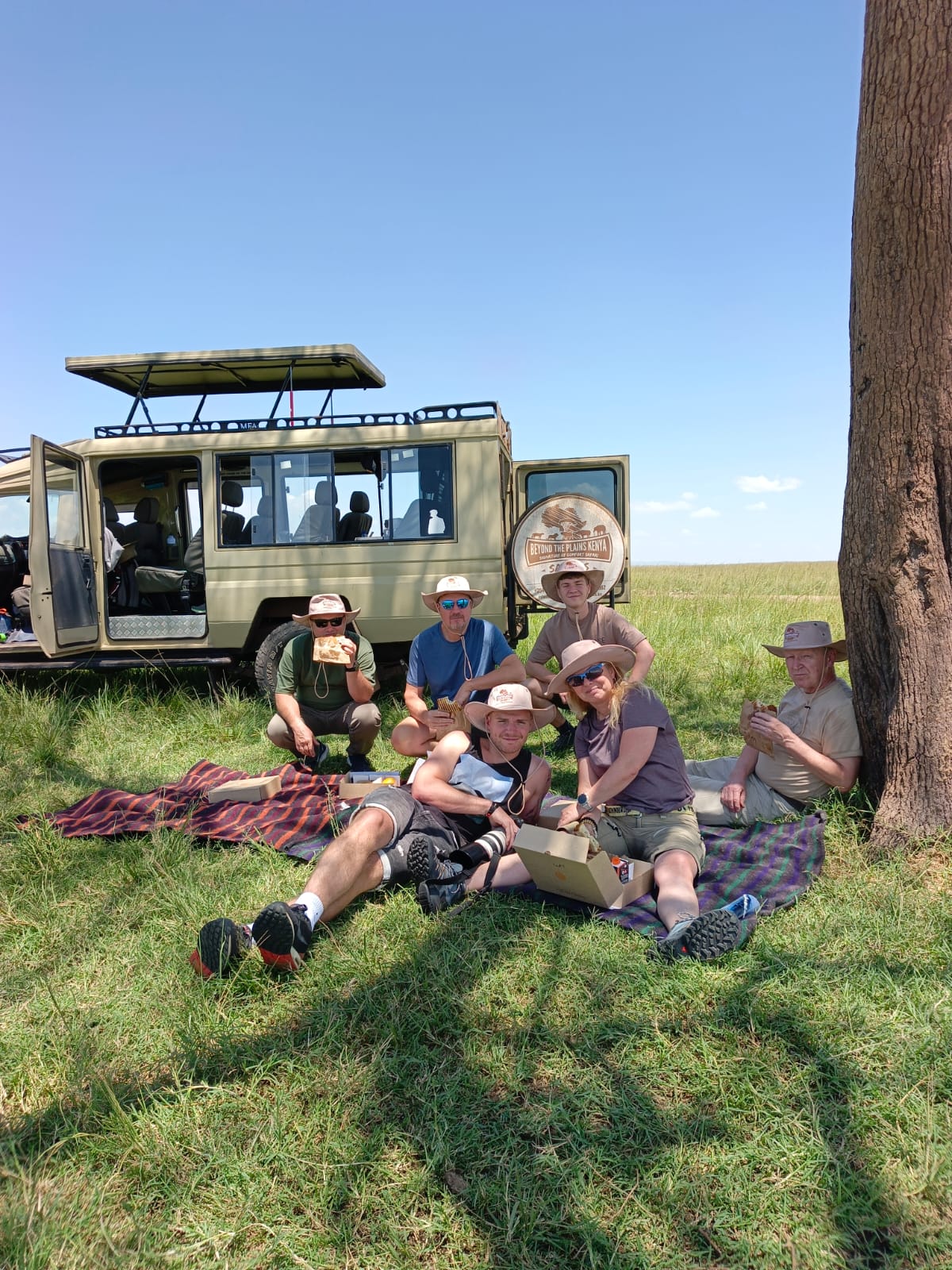
Local safari operators bring a unique set of benefits to the table. Their deep-rooted knowledge of the terrain, climate, and wildlife behaviors ensures that your safari is both safe and enriching. Local guides are often skilled in tracking and identifying animals, providing insights that might elude even the most seasoned travelers. Moreover, local operators are well-versed in the latest conservation efforts and can offer tours that support sustainable tourism practices.
8.2 Expert Knowledge and Insider Access
One of the primary advantages of booking with a local expert is the insider access they provide. Local guides know the hidden gems of the safari circuit, from secluded watering holes to the best vantage points for watching the sunrise over the savannah. This insider knowledge can make a significant difference in your overall experience, allowing you to witness wildlife behaviors that are not commonly seen by tourists.
8.3 Customized Itineraries Tailored to Your Interests
Local safari experts excel at crafting customized itineraries that cater to your specific interests and preferences. Whether you're a wildlife enthusiast, a photography buff, or someone looking for a relaxing getaway, a local expert can tailor the safari to meet your needs. This personalized approach ensures that you get the most out of your African safari experience.
8.4 Safety, Support, and Peace of Mind
Safety is a paramount concern when venturing into the African wilderness. Local safari experts are well-equipped to handle emergencies and provide a safe and supportive environment throughout your journey. Their knowledge of the terrain and potential hazards allows them to mitigate risks, giving you peace of mind as you explore the wilds of Africa.
8.5 Supporting Local Communities and Conservation
By choosing to book with a local safari expert, you're directly supporting local communities and contributing to conservation efforts. Many local operators are involved in community-based projects and conservation initiatives, ensuring that your safari dollars have a positive impact on the environment and local economies.
8.6 How to Choose a Reputable Safari Company
Selecting a reputable safari company is crucial to ensuring a successful and enjoyable experience. Look for operators that are certified by recognized bodies such as the African Tourism Board or other local tourism associations. Research their reputation online, read reviews, and ask for recommendations from fellow travelers. A reputable company will be transparent about their practices, provide clear communication, and demonstrate a commitment to sustainable tourism.
9. Step-by-Step Guide to Planning Your Africa Safari
Planning an Africa safari can be a daunting task, but with a clear guide, you can navigate the process with ease. Whether you're a seasoned traveler or embarking on your first safari, this step-by-step guide will help you plan an unforgettable African adventure.
9.1 Step 1: Determine Your Safari Goals and Must-See Wildlife
Before starting your planning process, it's crucial to define your safari goals. Are you looking to witness the Great Migration, spot the Big Five, or simply enjoy the African wilderness? Identifying your must-see wildlife and experiences will help tailor your safari to your interests.
Consider what type of wildlife you're most interested in seeing. Are you drawn to large mammals like elephants and lions, or are you more interested in birdwatching? Knowing your priorities will help you choose the best destination and time of year for your safari.
9.2 Step 2: Choose Your Destination and Duration
Africa offers numerous safari destinations, each with its unique landscapes and wildlife. Popular options include Tanzania's Serengeti, Kenya's Masai Mara, and South Africa's Kruger National Park. The duration of your safari will depend on your goals, budget, and the distance between destinations.
| Destination | Main Attractions | Best Time to Visit |
|---|---|---|
| Tanzania - Serengeti | Great Migration, Big Five | June to October |
| Kenya - Masai Mara | Great Migration, Big Cats | July to October |
| South Africa - Kruger National Park | Big Five, diverse wildlife | April to September |
9.3 Step 3: Set a Realistic Budget
Setting a realistic budget is crucial for planning a successful safari. Costs can vary widely depending on the destination, accommodation level, and activities. Consider budgeting for flights, accommodation, guided tours, and park fees.
"The key to a successful safari is not just about the money; it's about how you spend it. Prioritizing your spending based on your safari goals can make a significant difference." - Safari Expert
9.4 Step 4: Select Your Safari Style and Accommodation
Africa safaris come in various styles, from luxury lodges to mobile tented camps. Your choice will depend on your budget, comfort level, and the type of experience you're seeking. Luxury lodges offer high comfort and amenities, while tented camps provide a more authentic, immersive experience.
9.5 Step 5: Book Flights and Check Visa Requirements
Once your itinerary is defined, book your flights to and from your destination. Additionally, check the visa requirements for your destination countries and apply in advance if necessary.
9.6 Step 6: Get Vaccinations and Travel Insurance
Consult your healthcare provider to determine the necessary vaccinations and medications for travel to Africa. Additionally, secure travel insurance that covers medical emergencies, trip cancellations, and evacuations.
9.9 Step 7: Finalize Your Itinerary with a Safari Expert
Working with a local safari expert can greatly enhance your experience. They can provide insider knowledge, help finalize your itinerary, and ensure that your safari is tailored to your preferences and budget.
By following these steps, you'll be well on your way to planning an unforgettable Africa safari. Remember to stay flexible, be prepared for the unexpected, and enjoy the journey.
10. Conclusion: Start Your Africa Safari Adventure Today
Embarking on an Africa safari is a once-in-a-lifetime experience that offers unparalleled wildlife encounters and breathtaking landscapes. With destinations ranging from the Serengeti to the Maasai Mara, and from luxury lodges to adventurous camping safaris, there's an Africa safari tailored to every traveler's preferences.
By understanding the best times to visit, the types of safaris available, and how to plan your trip effectively, you can ensure a memorable and enriching experience. Working with local safari experts not only enhances your journey but also supports conservation efforts and local communities.
Whether you're drawn to witnessing the Great Migration, spotting the Big Five, or simply immersing yourself in Africa's natural beauty, your safari adventure awaits. Start planning your Africa safari today and get ready for an unforgettable journey into the heart of Africa's wilderness.









Comments (1)
Leave a Comment
Thanks for sharing this information. It is simple, clear, and useful. I learned something new from this blog today. Great work.
Thanks so much—I’m glad you found it helpful!
This guide is based on real safari planning experience and current on-the-ground insights, so the aim is to keep the information accurate, practical, and easy to apply when budgeting and choosing destinations across Africa.
If you’re exploring safari costs or comparing destinations like Kenya and East Africa, there’s more up-to-date guidance on the site to help you plan with confidence.
Appreciate you reading and sharing your feedback!