

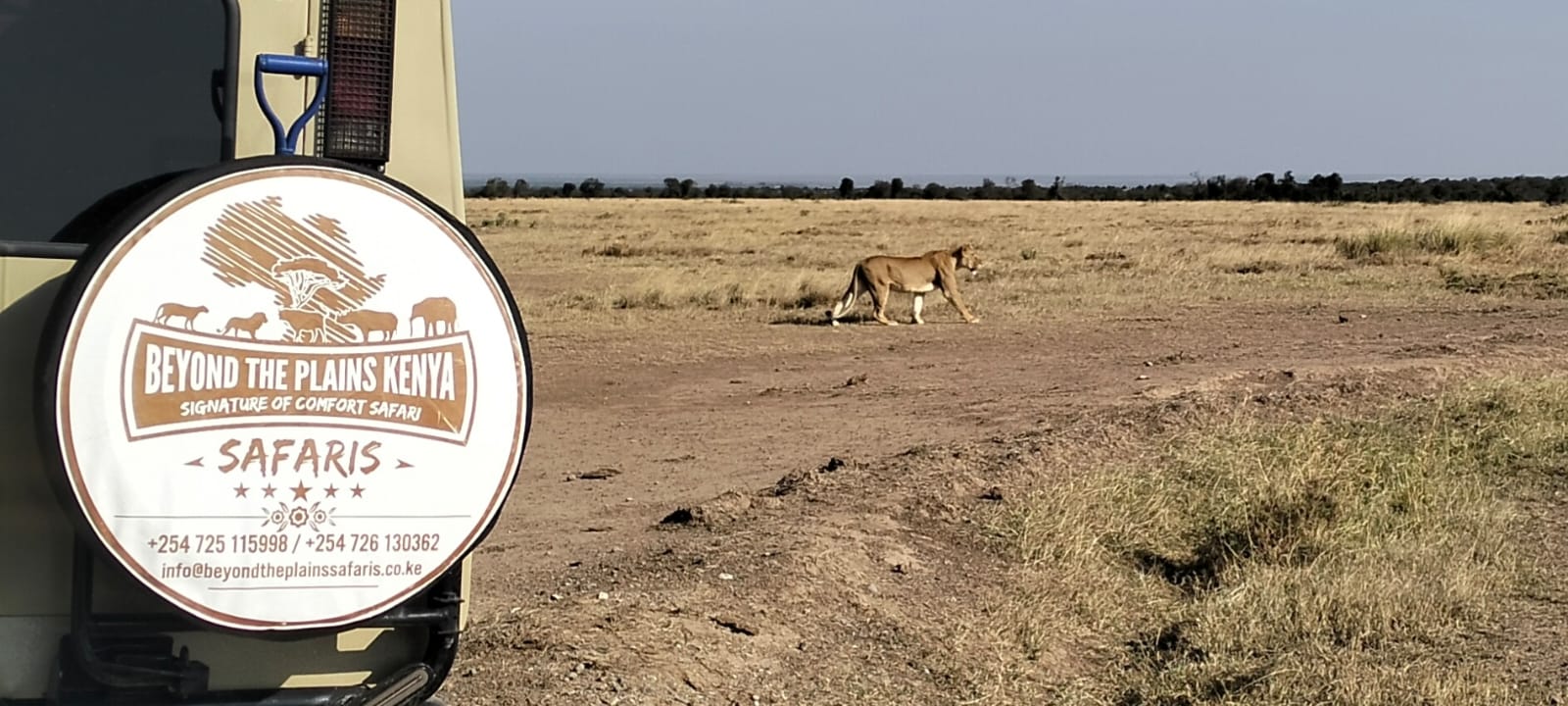
Planning a Kenya safari from India starts with three things: a valid eTA, a realistic budget in rupees, and the right month to travel. You've probably already pictured yourself watching a lion pride at sunrise or the Great Migration thundering across the Mara — Kenya has a way of doing that to people. But between confusing "e-Visa vs eTA" search results, unclear cost estimates, and vague advice on timing, most Indian travelers end up stalling at the planning stage instead of booking. This guide walks you through exactly what a Kenya safari from India actually involves: the current eTA process, a realistic cost breakdown in Indian rupees, and the best months to time your trip.
Key Takeaways
- The Kenya eTA replaced the traditional e-Visa system on January 5, 2024, and is now mandatory for all Indian travelers visiting Kenya, including infants and children.
- The Kenya eTA costs approximately USD 32.50 (roughly ₹2,700) per traveler and must be applied for at least 3 business days before departure, though up to 90 days in advance is allowed.
- An approved eTA permits a single-entry stay of up to 90 days and must be used for entry within 90 days of issuance, or it becomes invalid.
- A mid-range Kenya safari for Indian travelers typically costs between ₹1.5 lakh and ₹3.5 lakh per person for a 6-8 day trip, excluding international flights.
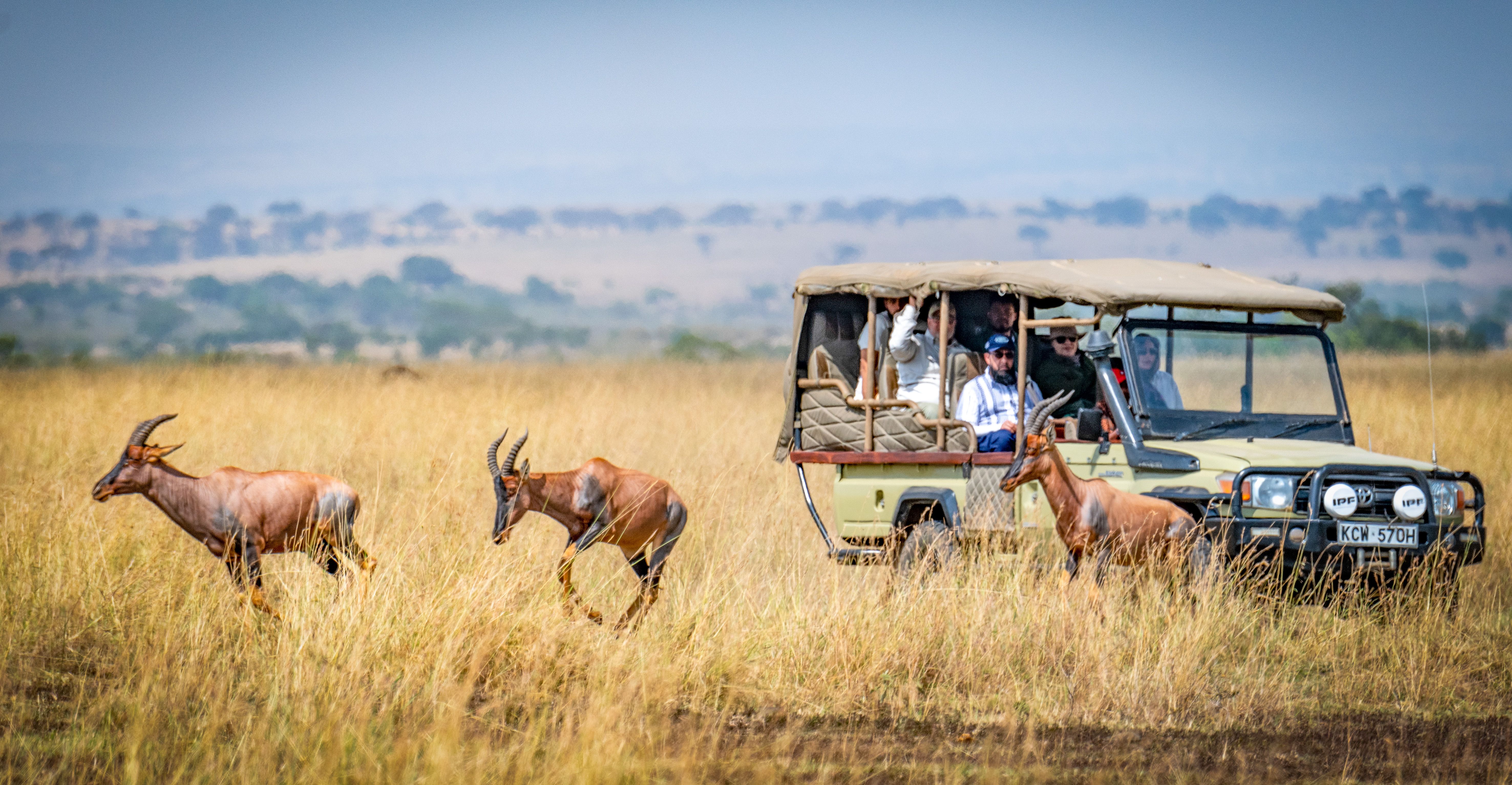
- The dry seasons from late June to October and January to February offer the best wildlife visibility and are ideal for witnessing the Great Migration in the Maasai Mara.
- Indian travelers can apply for the Kenya eTA entirely online through the official government portal, without visiting an embassy or consulate.
- Booking safaris during Kenya's shoulder seasons (March-May, November) can reduce accommodation costs significantly while still offering reasonable wildlife viewing.
What Is the Kenya eTA (and How Has It Replaced the Old e-Visa)?
The Kenya eTA is an Electronic Travel Authorization that replaced Kenya's traditional e-Visa system for all foreign visitors starting January 5, 2024. In practical terms, it functions the same way an e-Visa did — an online pre-approval you get before you fly — but it runs through a different government platform and a different verification process.
For Indian travelers, this shift matters because a lot of older blog posts, forums, and even some travel agents still reference the "Kenya e-Visa," which can send you to an outdated or unofficial website. That's a real risk, since third-party sites often charge inflated service fees on top of the government charge. The only legitimate route is Kenya's official eTA portal, and confirming you're on the right platform should be your first step before you type in any passport details.
The Kenya eTA is an Electronic Travel Authorization that replaced Kenya's traditional e-Visa system for all foreign visitors starting January 5, 2024. This single change is the reason so much older content about "Kenya visa for Indian citizens" is now technically inaccurate, even though the underlying idea — pre-clearing your entry before departure — hasn't changed.
How Is the eTA Different From the Old e-Visa Process?
The core difference is procedural, not financial. First, the eTA uses a centralized East African biometric-style clearance system, whereas the e-Visa was a simpler document-upload process. Second, approval timelines have generally become faster for straightforward applications, though Kenyan authorities still recommend applying well before your trip. For example, a traveler who used to apply for an e-Visa five years ago and assumes the process is identical today may be surprised by the new document checklist and portal design. That being said, the actual eligibility rules for Indian passport holders haven't tightened — the country simply modernized how it verifies travelers before they board.
Why Indian Travelers Need to Plan Kenya Safari Logistics Carefully
Careful planning matters because visa, cost, and timing mistakes are the three most common reasons first-time safari trips from India go over budget or hit last-minute snags. Unlike a Southeast Asia holiday where visa-on-arrival is common, Kenya requires pre-approval, and missing that step can mean being denied boarding at the airport — not just a hassle at immigration.
At the same time, cost estimation trips up many Indian travelers because most safari pricing online is quoted in USD or GBP, not INR, and doesn't always clarify what's included. As such, a family might budget for "flights and hotel" and completely underestimate park entry fees, game drives, and internal transfers, which can add up to a significant chunk of the total trip cost. Plus, timing mistakes — like booking during the long rains without knowing it — can mean muddy roads, closed lodges, and disappointing game viewing despite paying full price.
For example, a Mumbai-based couple who books a Maasai Mara safari for mid-April without checking seasonal patterns may find several conservancies offering reduced services due to rain, even though they paid a "peak season" rate based on outdated advice. This is precisely why sequencing your research — eligibility first, then budget, then timing — mirrors how Indian travelers actually plan such trips, and it's the order this guide follows.
How Do Indian Citizens Apply for a Kenya eTA Online?
Indian citizens apply for the Kenya eTA entirely online through the official government portal, without needing to visit an embassy or consulate. The process typically takes under 30 minutes to complete if you have your documents ready, and it can be done from a laptop or smartphone.
Here's the step-by-step process:
- Visit the official eTA portal (etakenya.go.ke) — avoid any third-party site that charges a "processing fee" above the standard government charge.
- Create an account using a valid email address, since your approval and any correspondence will be sent there.
- Fill in your personal and passport details, matching your passport exactly, including middle names if they appear on the document.
- Upload the required documents (detailed below).
- Pay the eTA fee online via debit card, credit card, or supported international payment methods.
- Wait for processing, which Kenyan authorities generally complete within a few business days for complete applications.
- Download and print your approved eTA to carry alongside your passport, even though it's electronically linked.
If you're applying for multiple family members, note that each traveler — including infants — needs a separate application with their own passport and photo. Moreover, if you're also applying for other regional travel documents around the same trip, our step-by-step guide to applying for African travel visas breaks down how Kenya's process compares with Tanzania and Uganda requirements.
What Documents Are Required for the Kenya eTA Application?
Applying for the Kenya eTA involves submitting a passport valid for six months, a recent photo, and proof of accommodation and return travel through the official etakenya.go.ke portal. In addition to these core items, you'll typically need:
- A passport-style digital photograph taken within the last six months
- Proof of onward or return flight tickets showing you don't intend to overstay
- Proof of accommodation, such as a hotel booking confirmation or safari operator's itinerary
- A valid email address for correspondence and approval delivery
- Payment details for the eTA fee
For example, a family of four traveling together should prepare four separate sets of these documents, even if they're booked on the same safari package — the system processes each traveler individually. First-time applicants sometimes assume a group booking confirmation is sufficient, but each person's application should reference their own passport number.
How Much Does the Kenya eTA Cost and How Long Is It Valid?
The Kenya eTA fee is approximately USD 32.50 per traveler, according to Kenya's official eTA authority, and remains non-refundable regardless of travel changes. At current exchange rates, that works out to roughly ₹2,700-₹2,800 per person, though the exact rupee amount will vary slightly with your card's forex conversion rate on the day of payment.
A Kenya eTA allows a single-entry stay of up to 90 days and must be used for entry within 90 days from its date of issuance. This means you should apply once your travel dates are reasonably firm — applying too early and then changing your trip means paying the non-refundable fee again. Kenyan authorities recommend applying at least 3 business days before departure, though you can apply up to 90 days in advance if you prefer to have it sorted early.
| eTA Detail | Requirement |
|---|---|
| Cost per traveler | ~USD 32.50 (~₹2,700) |
| Minimum processing time | 3 business days |
| Maximum advance application | 90 days before travel |
| Validity after issuance | Must enter Kenya within 90 days |
| Length of stay permitted | Up to 90 days, single entry |
| Applies to | All travelers, including infants |
How Much Does a Kenya Safari Cost for Indian Travelers?
A Kenya safari for Indian travelers typically costs between ₹1.5 lakh and ₹3.5 lakh per person for a mid-range 6-8 day trip, not including international flights from India. That range can shift considerably depending on whether you're traveling budget, mid-range, or luxury, and how many people are splitting vehicle and guide costs.
First, it helps to understand what actually makes up a safari budget. Flights from India (typically via Doha, Dubai, or Nairobi direct routes) can range from ₹45,000 to ₹90,000 return per person depending on season and airline. Second, your eTA fee adds roughly ₹2,700 per traveler, a small but easy-to-forget line item. Third, park entry fees for reserves like Maasai Mara or Amboseli typically run USD 60-100 (₹5,000-₹8,300) per person per day, and this is charged separately from your accommodation.
For example, a couple booking a 7-day mid-range safari covering the Maasai Mara and Amboseli should budget roughly ₹1.8-2.2 lakh per person for the land package (accommodation, meals, game drives, park fees, and guide), plus flights and the eTA fee on top. Our detailed Kenya safari cost breakdown walks through per-park pricing in more depth if you want to build a custom itinerary.
Budget vs. Mid-Range vs. Luxury: What Changes in Each Tier?
The biggest cost driver in any Kenya safari isn't the flight — it's the accommodation and vehicle tier you choose. Budget travelers stay in shared campsites or basic tented camps and often join group game drives, while luxury travelers book private conservancies with dedicated guides and vehicles.
| Trip Tier | Approx. Cost Per Person (6-8 days, land only) | Accommodation Style | Vehicle/Guide |
|---|---|---|---|
| Budget | ₹80,000 - ₹1.3 lakh | Shared campsites, basic lodges | Group safari vehicle |
| Mid-Range | ₹1.5 lakh - ₹3.5 lakh | Tented camps, 3-4 star lodges | Shared or semi-private vehicle |
| Luxury | ₹4 lakh - ₹9 lakh+ | Private conservancy lodges, boutique camps | Private vehicle and dedicated guide |
That being said, these figures are per person and assume double occupancy — solo travelers usually pay a single supplement that can add 20-40% to accommodation costs. As such, honeymooning couples and small families often find the mid-range tier offers the best balance, since it includes en-suite tented camps and reasonably private game drives without luxury-tier pricing. If you're weighing lodges specifically within the Mara, it's worth reviewing best safari lodges in the Maasai Mara before finalizing your accommodation tier.
How Much Does a 7-Day Kenya Safari Cost for Two People from India?
For two people traveling together on a mid-range 7-day itinerary, expect a combined land cost of roughly ₹3.6-4.4 lakh, plus flights and eTA fees for both travelers. This typically covers accommodation, all meals at safari lodges, park entry fees, a shared safari vehicle with driver-guide, and airport transfers within Kenya.
Additionally, a few costs are commonly left out of quoted packages and worth budgeting separately: tips for guides and lodge staff (roughly ₹1,500-₹2,500 per person per day is standard), travel insurance, and any optional activities like a hot air balloon ride over the Mara, which can cost USD 450-550 (₹37,000-₹46,000) per person. Moreover, currency conversion fees on your card can quietly add 2-3% to on-ground spending, so it's worth checking our currency exchange tips for international travel before you leave.
When Is the Best Time of Year to Visit Kenya for a Safari?
The best time for a Kenya safari is during the dry seasons of late June to October and January to February, when wildlife visibility peaks and the Great Migration crosses the Maasai Mara. During these months, vegetation thins out and animals cluster around water sources, making sightings far more predictable than during the rainy months.
For Indian travelers specifically, the July-to-September window lines up conveniently with school summer holidays, making it a popular choice for families. December to early January also works well for those planning around Christmas and New Year breaks, though it falls just before the driest peak-viewing period resumes in late January.
What Is the Best Time of Year to See the Great Migration in Kenya?
The Great Migration typically reaches the Maasai Mara between July and October, when over 1.5 million wildebeest and zebra cross from Tanzania's Serengeti in search of fresh grazing. The dramatic river crossings at the Mara River, often featuring crocodile encounters, usually peak between late July and September. For a month-by-month breakdown of exactly where the herds are likely to be, our Great Migration month-by-month guide is worth bookmarking as your travel dates get closer.
What Is the Cheapest Time to Book a Kenya Safari?
Booking safaris during Kenya's shoulder seasons — March to May and November — can reduce accommodation costs significantly while still offering reasonable wildlife viewing. These months see the "long rains" (March-May) and "short rains" (November), which many lodges use to justify discounted rates of 20-40% off peak pricing.
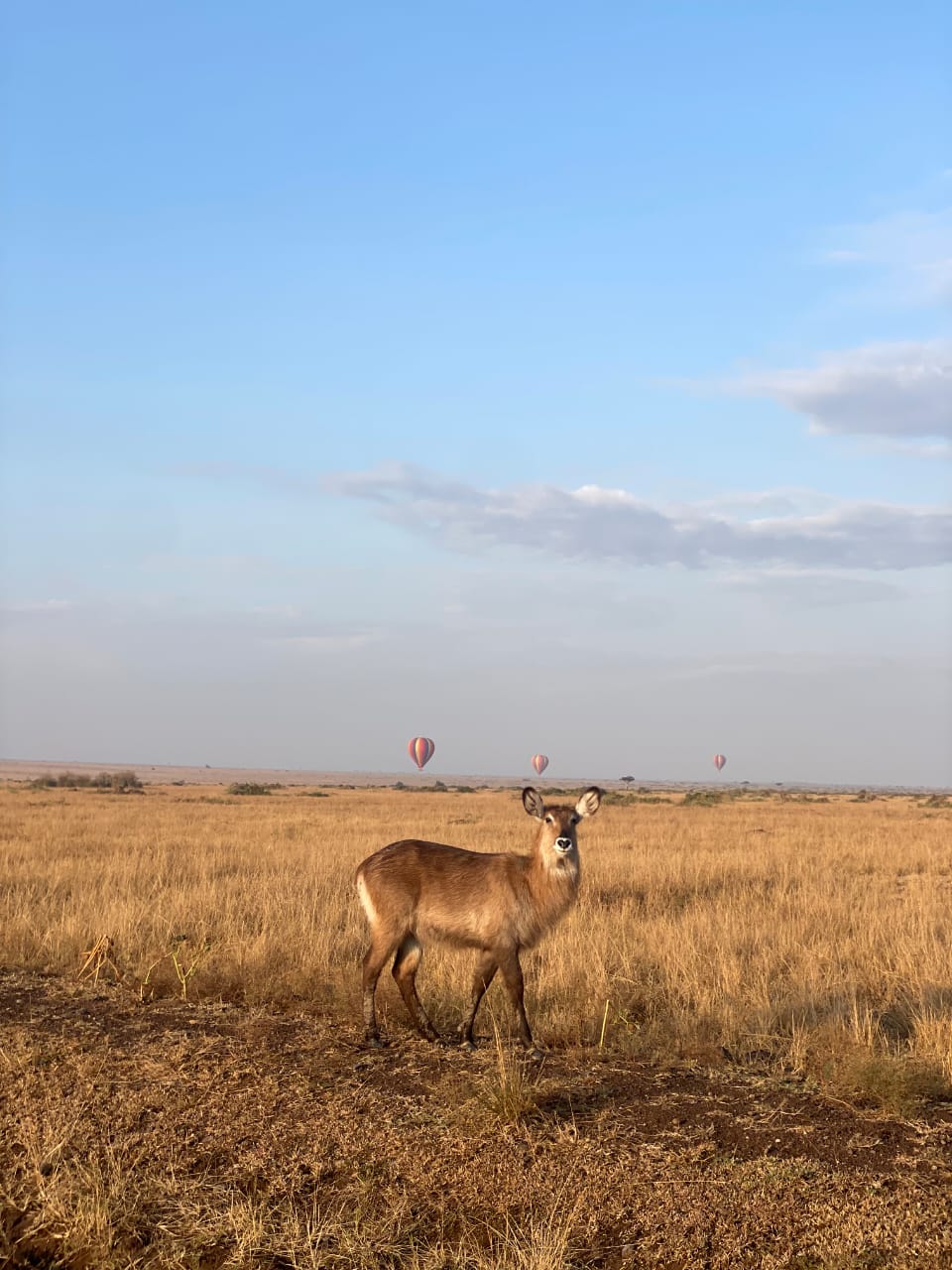
For example, a family that isn't fixed on witnessing river crossings specifically could still see excellent resident wildlife — lions, elephants, giraffes — in April at a fraction of July's cost. However, some remote camps close entirely during the heaviest rain weeks, so it's worth checking individual property calendars. Our guide on the cheapest time to book a Kenya safari covers which specific weeks tend to offer the steepest discounts.
Is Kenya Safe and Affordable for First-Time Indian Travelers?
Kenya is generally considered safe for tourists, particularly within established safari circuits and tourist areas that see heavy annual visitor traffic. Major reserves like the Maasai Mara, Amboseli, and Lake Nakuru have well-established tourism infrastructure, and licensed operators follow standard safety protocols for game drives.
That said, ordinary travel precautions still apply — avoid displaying expensive jewelry in cities, use registered transport, and follow your guide's instructions during game drives. For a deeper look at safety specifics relevant to first-time visitors, see is Kenya safe for tourists.
Do Indian Travelers Need Any Vaccinations Before Visiting Kenya?
Yellow fever vaccination isn't mandatory for travelers arriving directly from India, but it's often required if you're transiting through or have visited a yellow-fever-endemic country beforehand. Malaria prophylaxis is commonly recommended for safari areas, and your doctor may also suggest routine vaccines like Hepatitis A and Typhoid depending on your itinerary.
Since health requirements can change and vary by specific region within Kenya, it's worth reviewing our detailed Kenya safari vaccination and health guide at least a month before departure, giving your vaccines time to take effect if needed.
How Many Days Are Ideal for a Kenya Safari Itinerary?
Most first-time Indian travelers find 6-8 days ideal for a Kenya safari, long enough to cover two or three parks without excessive travel fatigue, but short enough to fit within a standard vacation window. A 6-day trip typically covers Maasai Mara and Lake Nakuru or Amboseli, while an 8-day trip can comfortably add a third park or a beach extension to Diani.
For example, a couple with limited leave days might choose a focused 5-day Mara-only trip, while a family with school-going children on summer break might prefer a fuller 9-10 day combination itinerary.
Tools, Resources, and Practical Booking Examples
The official Kenya eTA portal (etakenya.go.ke) is the only tool you actually need for visa processing — no third-party app or agent access is required, and using one typically just adds unnecessary fees. Beyond the visa itself, a few free tools are genuinely useful during planning: XE Currency or Google's built-in currency converter for real-time INR-to-USD/KES conversion, and a basic vaccination-requirement checker from India's Ministry of External Affairs travel advisory page.
For structuring your actual trip, looking at a sample itinerary helps translate all these numbers into something concrete. A well-paced 7-day route might look like: Day 1-2 in the Maasai Mara for game drives and a possible balloon safari, Day 3-4 transferring to Lake Nakuru for rhino and flamingo sightings, and Day 5-7 in Amboseli for close-up elephant herds against a Kilimanjaro backdrop. You can review a full sample 7-day Kenya safari itinerary to see how the days, transfers, and park combinations typically flow.
When it comes to booking, Indian travelers generally have two paths: working directly with a licensed Kenya-based tour operator, or going through an India-based travel agent who partners with one. Direct booking often works out more cost-effective since it removes a middleman markup, though it does require more upfront research on your end. Either way, always confirm the operator holds a valid Kenya tourism license before paying any deposit.
What's Next: Planning Checklist Before You Book Your Kenya Safari
Once you've absorbed the visa, cost, and timing information above, here's the practical sequence to follow before you commit to dates:
- Confirm your travel window based on whether Great Migration viewing or budget savings matters more to you.
- Apply for your Kenya eTA once your dates are close to firm, ideally 2-3 weeks before departure.
- Get quotes from 2-3 licensed operators covering the same parks and trip length, so you're comparing like-for-like.
- Check your vaccination requirements with a travel doctor at least 4-6 weeks out.
- Arrange travel insurance that specifically covers safari activities and medical evacuation.
- Build your packing list around layered clothing and neutral colors — our African safari packing checklist covers exactly what to bring and what to skip.
- Set aside a tipping and incidentals buffer — roughly ₹15,000-₹25,000 per person for a week-long trip covers guide tips and small purchases.
If you're also considering combining Kenya with a Tanzania leg for a longer trip, it's worth reading our Kenya vs Tanzania safari comparison before finalizing your route, since combo itineraries change your visa and budgeting math slightly.
Conclusion
Planning a Kenya safari from India comes down to three decisions: getting your eTA sorted correctly, budgeting realistically in rupees rather than guessing from USD prices, and timing your trip around the dry seasons if wildlife sightings are your priority. Get those three right, and the rest of the planning — itinerary, lodges, packing — falls into place fairly easily.
You've done the hardest part already, which is understanding what actually goes into this trip. Now it's just a matter of picking your dates, applying for your eTA, and requesting quotes from a couple of licensed Kenya safari operators so you can compare real numbers against the estimates in this guide. That lion pride at sunrise is closer than it feels from where you're sitting right now.











Comments (0)
Leave a Comment
No comments yet. Be the first to comment!