

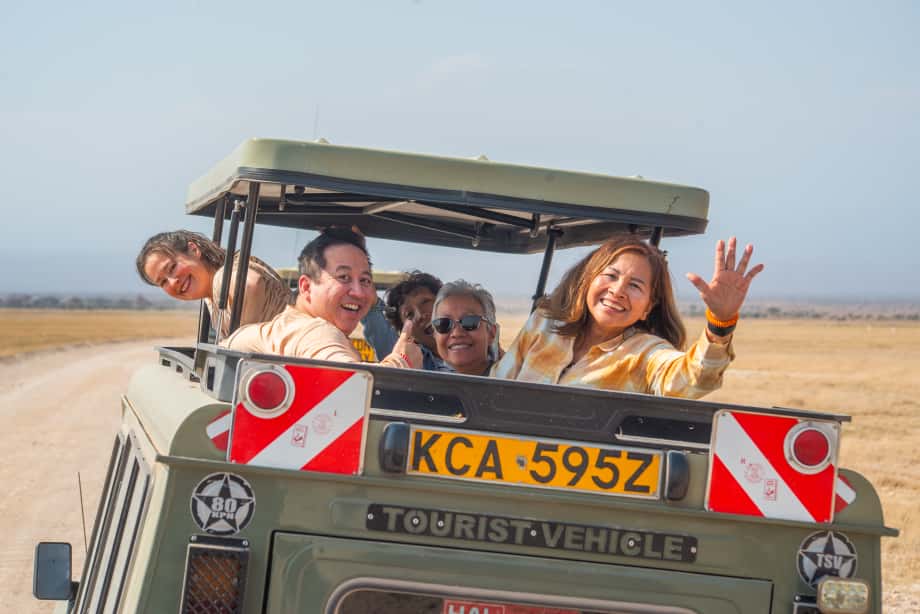
The Ultimate Guide to Kenya Safari Holidays: Parks, Costs, Itineraries & Expert Planning Advice
You've seen the images — a lion at dawn, the Mara River churning with wildebeest, a hot air balloon drifting above the savannah at first light. But knowing Kenya is extraordinary and knowing how to plan a Kenya safari holiday that actually delivers that experience are two very different things. In this guide, you'll get everything you need: the best parks, the right seasons, honest cost breakdowns, and the itinerary structures that separate a good safari from an unforgettable one.
Key Takeaways
- Kenya safari holidays combine Big Five wildlife encounters, world-class national parks, and diverse accommodation styles — from luxury lodges to authentic tented camps — into one of travel's most complete experiences.
- The Maasai Mara remains Kenya's flagship safari destination, hosting the Great Wildebeest Migration between July and October, widely regarded as the greatest wildlife spectacle on Earth.
- Kenya safari holiday costs range from mid-range packages starting around $350 per person per night to ultra-luxury fly-in experiences exceeding $1,500 per person per night.
- Choosing a KATO-registered, award-recognised operator with verified TripAdvisor reviews is the single most important step in securing a safe, high-quality Kenya safari holiday.
- The best Kenya safari holidays combine multiple ecosystems — such as the Mara, Amboseli, and Samburu — into multi-destination itineraries that maximise wildlife diversity and landscape variety.
- Kenya's private conservancies, including Ol Kinyei and Naboisho bordering the Maasai Mara, offer exclusive game drives with fewer vehicles and deeper bush access than standard national park circuits.
- A Kenya safari can be extended with a Zanzibar or Diani Beach add-on, making it one of the few destinations where world-class wildlife and Indian Ocean beach luxury are accessible in a single trip.
What Is a Kenya Safari Holiday and What Does It Include?
A Kenya safari holiday is a structured wildlife travel experience combining guided game drives through national parks and private conservancies, Big Five animal encounters, and immersive accommodation — ranging from luxury lodges to authentic tented camps — across Kenya's diverse ecosystems. It is not a generic beach or city holiday; every element is purpose-built around direct encounters with wildlife in its natural habitat.
At its core, a Kenya safari holiday includes morning and evening game drives in a 4×4 safari vehicle with a professional guide, full-board accommodation inside or adjacent to the park, and park entry fees (which vary by conservancy and national reserve). Most packages also cover domestic transfers — whether by road or light aircraft — between destinations. Optional add-ons include bush walks, night game drives in private conservancies, hot air balloon safaris over the Mara, and cultural visits to Maasai communities.
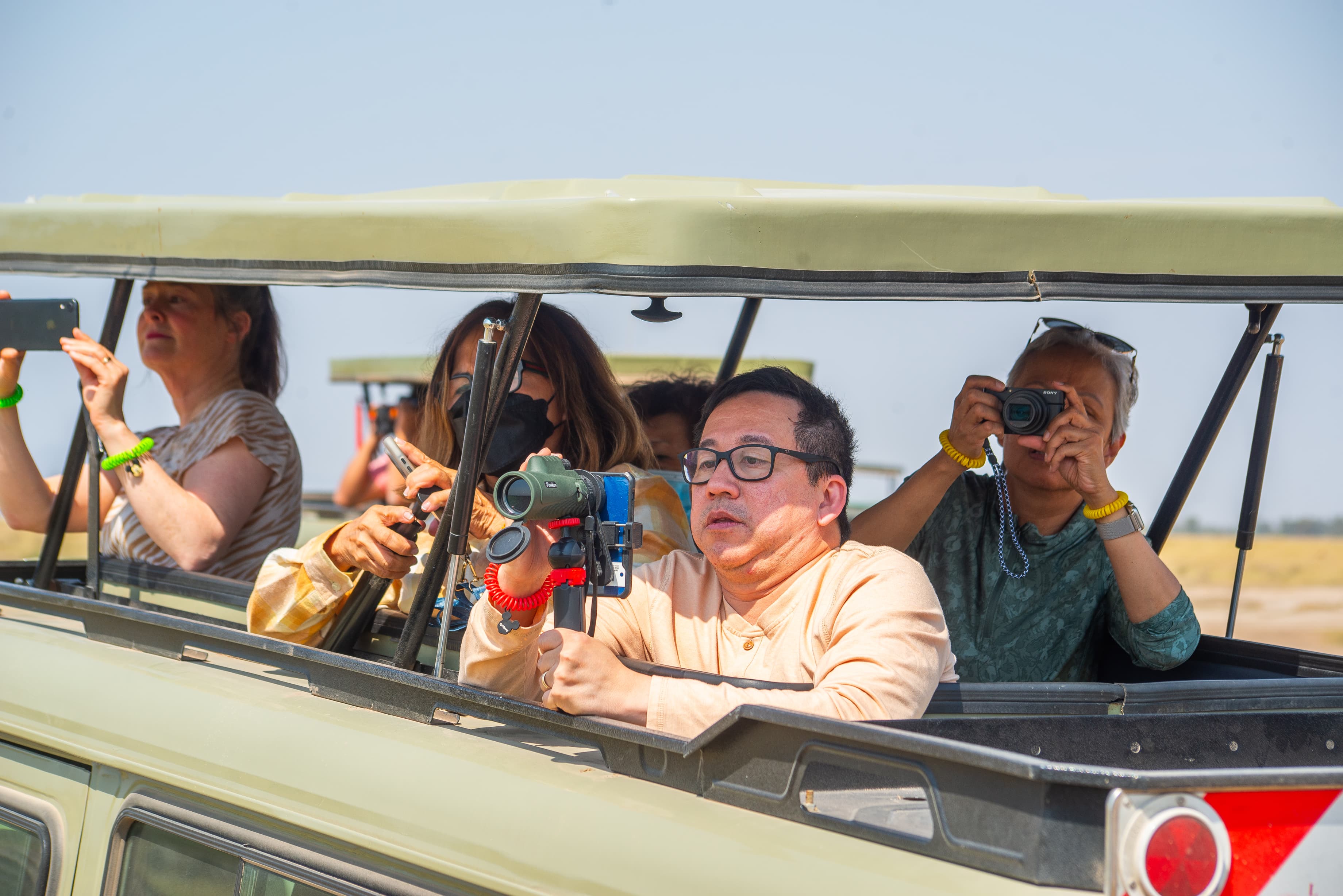
What separates a Kenya safari holiday from a generic Africa package is the country's extraordinary density of wildlife zones within a relatively compact geography. You can move from the sweeping grasslands of the Maasai Mara to the elephant-packed plains of Amboseli to the remote northern desert of Samburu — each offering a completely different landscape and species profile — within a single itinerary of seven to fourteen days.
Why Is Kenya Considered One of Africa's Best Safari Destinations?
Kenya is considered one of Africa's premier safari destinations because it combines year-round Big Five visibility, established tourism infrastructure, and a pioneering private conservancy model that gives travellers access to wildlife areas unavailable anywhere else on the continent. No other country of comparable size offers this breadth of ecosystem diversity — from alpine moorlands to Indian Ocean coastline — alongside the logistical ease that Kenya provides.
The numbers are striking. Kenya's wildlife sector contributes over 10% of the country's GDP, with more than 2 million international tourists visiting annually — Source: Kenya Tourism Board, 2023. The country hosts 61 national parks and reserves, making it one of the most protected wildlife territories on Earth. The Maasai Mara alone covers 1,510 square kilometres of prime savannah, but the surrounding private conservancies — which Beyond The Plains Safaris accesses for its guests — add a further 200,000+ acres of exclusive wildlife corridor.
Kenya's English-speaking guide network is another underappreciated advantage. Professional safari guides in Kenya undergo mandatory certification through the Kenya Wildlife Service and the Kenya Professional Safari Guides Association, ensuring a baseline of expertise that travellers in less-regulated markets cannot always count on. Moreover, direct long-haul flights from London, New York, Frankfurt, Sydney, and Toronto connect Kenya to all major source markets, with Kenya Airways and European carriers operating frequent routes into Nairobi's Jomo Kenyatta International Airport. For a deeper look at what makes Kenya safari packages stand out across all budget levels, see our full Kenya tour operator guide.
Which National Parks and Conservancies Should You Visit on a Kenya Safari Holiday?
Kenya's safari geography is anchored by several iconic destinations, each offering a distinct wildlife experience and suiting a different traveller profile. Here is a destination-by-destination breakdown for planning purposes.
Maasai Mara National Reserve
The Maasai Mara is Kenya's most celebrated safari destination and the annual stage for the Great Wildebeest Migration, in which over 1.5 million wildebeest and hundreds of thousands of zebra cross between Tanzania's Serengeti and the Mara. Peak crossings occur from July to October. Beyond the Migration, the Mara sustains the highest density of predators in East Africa year-round — lion prides, resident cheetah coalitions, leopard, and spotted hyena are all regularly encountered. Best for: first-time safari travellers, Migration-focused itineraries, honeymoon couples. Read our dedicated Maasai Mara safari tour guide for full itinerary options.
Amboseli National Park
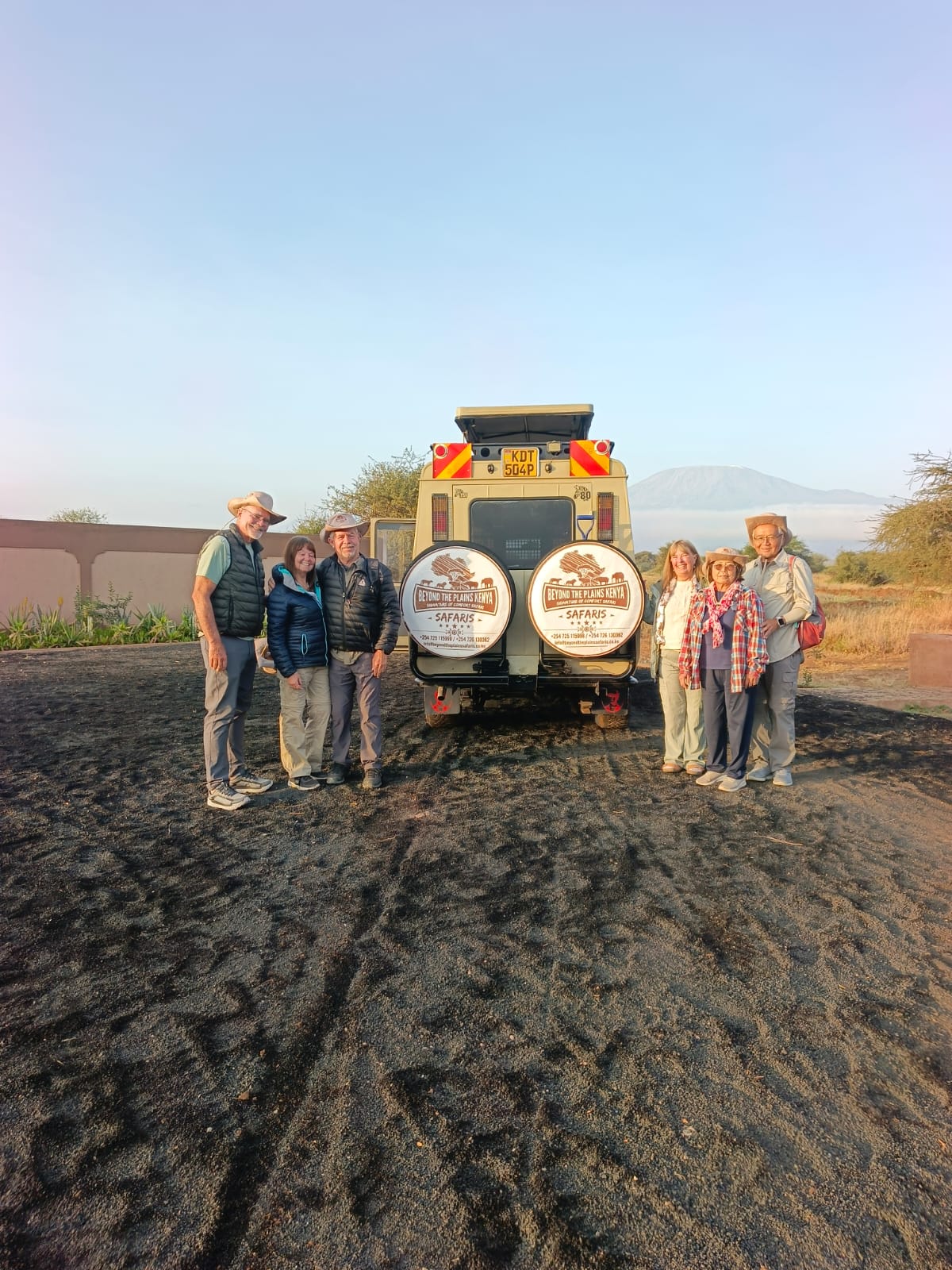
Amboseli sits at the foot of Mount Kilimanjaro and is Kenya's premier destination for elephant photography. Herds of up to 200 elephants move freely across the park's open floodplains, with the snow-capped summit of Kilimanjaro providing one of Africa's most iconic backdrops. Amboseli's open terrain also makes it excellent for lion and cheetah sightings. Best for: photographers, families, travellers combining Kenya and Tanzania. Pair it with our Kenya and Tanzania safari package for a seamless cross-border experience.
Samburu National Reserve
Samburu in Kenya's northern frontier is where you'll encounter species found nowhere else in the country — the reticulated giraffe, Grevy's zebra, Somali ostrich, gerenuk, and Beisa oryx. The Ewaso Ng'iro River, which bisects the reserve, acts as a wildlife magnet, drawing exceptional concentrations of elephant and predators during the dry months. Best for: seasoned safari travellers seeking rare northern species, off-the-beaten-track experiences.
Lake Nakuru National Park
Lake Nakuru is a UNESCO World Heritage Site renowned for its flamingo populations, black and white rhino sanctuary, and healthy lion and leopard numbers. It is one of the best places in Kenya to see rhino at close range in a relatively compact, fenced reserve. Best for: shorter safaris, rhino-focused itineraries, travellers combining with the Mara on a 7-day circuit.
Ol Pejeta Conservancy
Ol Pejeta is the largest black rhino sanctuary in East Africa and home to the world's last two northern white rhinos. Beyond the rhino story, it supports one of the finest Big Five populations in Kenya and operates in partnership with local communities and conservation organisations. Night game drives — not permitted in national parks — are available here. Best for: conservation-conscious travellers, rhino encounters, night-drive experiences.
Tsavo East and West
Tsavo East and Tsavo West together form Kenya's largest protected area. Tsavo is famous for its red-dust elephants, the Mzima Springs, and the wild, remote atmosphere that distinguishes it from the better-travelled northern circuit parks. Best for: travellers seeking seclusion, raw wilderness, and value-price lodge options.
When Is the Best Time to Go on a Kenya Safari Holiday?
The best time for a Kenya safari holiday depends on your priorities — the Great Migration, Big Five density, green-season photography, or budget value — with each month offering a distinct set of conditions. Understanding the seasonal rhythm is essential to matching your trip to your expectations.
Dry Season: July to October and January to February
The long dry season (July–October) coincides with the peak of the Great Wildebeest Migration river crossings in the Maasai Mara and represents the most consistently excellent wildlife viewing across all of Kenya's parks. Vegetation thins out, animals concentrate around water sources, and game drives produce high-frequency sightings. The short dry season (January–February) is equally productive for wildlife, with calving season in the Mara drawing exceptional predator activity. Both periods command peak-season pricing — expect lodges and camps to book out 6–12 months in advance for July through October.
Green Season: November to June
The green season — particularly the long rains (April–June) and the short rains (November–December) — offers a dramatically different, and often underrated, experience. Landscapes transform into vivid emerald, migratory birds arrive in enormous numbers, and predator activity around calving herds is spectacular. Lodge rates drop by 20–40% during shoulder periods, making this Kenya's best-value window. The Mara is still excellent outside the Migration — resident lion, cheetah, elephant, and buffalo are present year-round. For a comprehensive month-by-month breakdown, explore our full guide on the best time to visit Kenya for a safari .
| Month | Season | Wildlife Highlight | Crowd Level | Price Level |
|---|---|---|---|---|
| Jan–Feb | Short dry | Calving, predator activity | Moderate | Mid-high |
| Mar–Apr | Long rains | Birdlife, green landscape | Low | Value |
| May–Jun | Transitional | Mara resident wildlife | Low–moderate | Value |
| Jul–Oct | Long dry | Great Migration crossings | High | Peak |
| Nov–Dec | Short rains | Calving begins, fewer crowds | Moderate | Mid |
What Are the Most Popular Kenya Safari Holiday Itineraries?
Kenya safari holiday itineraries are most effective when they combine at least two distinct ecosystems, balancing the iconic experience of the Mara with a second destination that adds either rare species, landscape contrast, or a beach extension. Here are the three structures we recommend most frequently at Beyond The Plains Safaris.
7-Day Kenya Safari Holiday
A 7-day Kenya safari is the minimum itinerary for a genuinely immersive experience. Days 1–2: Arrive Nairobi, transfer to Amboseli National Park for elephant sightings and Kilimanjaro views. Days 3–5: Fly or drive to the Maasai Mara for three full days of game drives — the optimal window for encountering the full resident predator community. Day 6: Optional Mara conservancy morning drive, then fly back to Nairobi. Day 7: Nairobi departure, or optional Diani Beach or Zanzibar extension. This structure covers two of Kenya's top ecosystems and can be executed entirely fly-in for maximum comfort. Explore ready-made Kenya safari packages at multiple price points.
10-Day Kenya Safari Holiday
A 10-day itinerary allows for a third destination and a meaningful beach extension. Days 1–3: Amboseli for elephants and mountain scenery. Days 4–7: Maasai Mara for Migration or resident wildlife, with at least one night in a private conservancy for off-road game drives. Days 8–10: Fly to Zanzibar Island for three days of Indian Ocean beach recovery. This is our most-booked structure for couples and honeymooners — the contrast between the raw Mara and Zanzibar's turquoise waters is extraordinary.
14-Day Comprehensive Kenya Safari
For travellers who want the full Kenya canvas, a 14-day itinerary opens up the northern circuit. Days 1–3: Samburu for rare northern species. Days 4–6: Ol Pejeta or Laikipia for rhino and night drives. Days 7–10: Maasai Mara for Migration and conservancy experiences. Days 11–12: Amboseli for Kilimanjaro photography. Days 13–14: Diani Beach or Nairobi city debrief. This structure is ideal for returning Kenya visitors and dedicated wildlife photographers. See our East Africa tours and safaris for cross-border extensions into Tanzania and Zanzibar.
What Types of Kenya Safari Holidays Are Available — and Which Is Right for You?
Kenya safari holidays span a broad spectrum of styles, and matching the right format to your travel personality is as important as choosing the right park. Here is a breakdown of the main categories.
Luxury lodge safaris are built around permanent, architecturally designed properties inside or adjacent to major parks — think infinity pools overlooking the Mara, candlelit dinners under the acacia trees, and spa treatments after morning drives. These suit travellers who want immersive wildlife access without sacrificing comfort. Tented camp experiences occupy the middle ground — permanent canvas structures with en-suite bathrooms, real beds, and lantern-lit dining — delivering the sound and atmosphere of the bush alongside genuine comfort. For couples seeking romance, our dedicated honeymoon safari Kenya guide outlines the finest tented and lodge options.
Fly-in safaris eliminate road travel entirely by connecting destinations via light aircraft, cutting journey times from hours to minutes and maximising time in the field. They command a premium but represent exceptional value in time efficiency. Family safaris require careful planning around child policies (most luxury camps have minimum age requirements), activity pacing, and accommodation with family units. For families from North America, our post on Kenya safari packages from the US covers logistics, timing, and operator selection in detail.
Conservation and community safaris prioritise properties with verified community revenue-sharing models and conservation mandates — Ol Pejeta and the Mara conservancy network are prime examples. These experiences are increasingly sought by travellers who want their tourism spend to deliver measurable local impact.
How Much Does a Kenya Safari Holiday Cost ?
Kenya safari holiday costs vary significantly by travel style: mid-range safaris typically start from $300–$500 per person per night inclusive of accommodation, meals, and game drives, while luxury fly-in safari experiences in private conservancies can exceed $1,500 per person per night. These figures exclude international flights, which typically add $900–$2,000 per person return from major source markets.
The following cost bands provide a reliable planning reference:
| Safari Style | Cost Per Person Per Night | What's Typically Included |
|---|---|---|
| Mid-range | $300–$500 | Lodge/camp, meals, park fees, shared game drives |
| Luxury | $600–$1,200 | Premium lodge/camp, all meals, private game drives, some activities |
| Ultra-luxury / fly-in | $1,200–$2,500+ | Exclusive camp, all-inclusive, private vehicle, airstrips, laundry |
What's typically excluded: international flights, travel insurance, visa fees ($50 for most nationalities at point of entry), tips and gratuities (budget $10–$20 per day for guides), and personal purchases. Premium conservancy fees — charged separately from national park entry at private conservancies like Naboisho and Ol Kinyei — typically add $80–$150 per person per night and are worth every dollar for the off-road access they unlock. For a detailed Kenya safari cost breakdown , including a per-destination park fee comparison, see our dedicated pricing guide.
Value-season tip: travelling in April, May, or early June can reduce accommodation costs by 25–40% with no meaningful reduction in resident wildlife sightings. The Migration is the exception — if that is your primary goal, July to October is non-negotiable.
How Do You Choose a Reputable Kenya Safari Operator?
Choosing a reputable Kenya safari operator begins with verifying KATO registration — the Kenya Association of Tour Operators is the country's official tourism trade body, and membership signals compliance with national safety and quality standards. Booking through a KATO-registered operator provides an accountable point of contact throughout your journey and legal recourse in the event of any service failure.
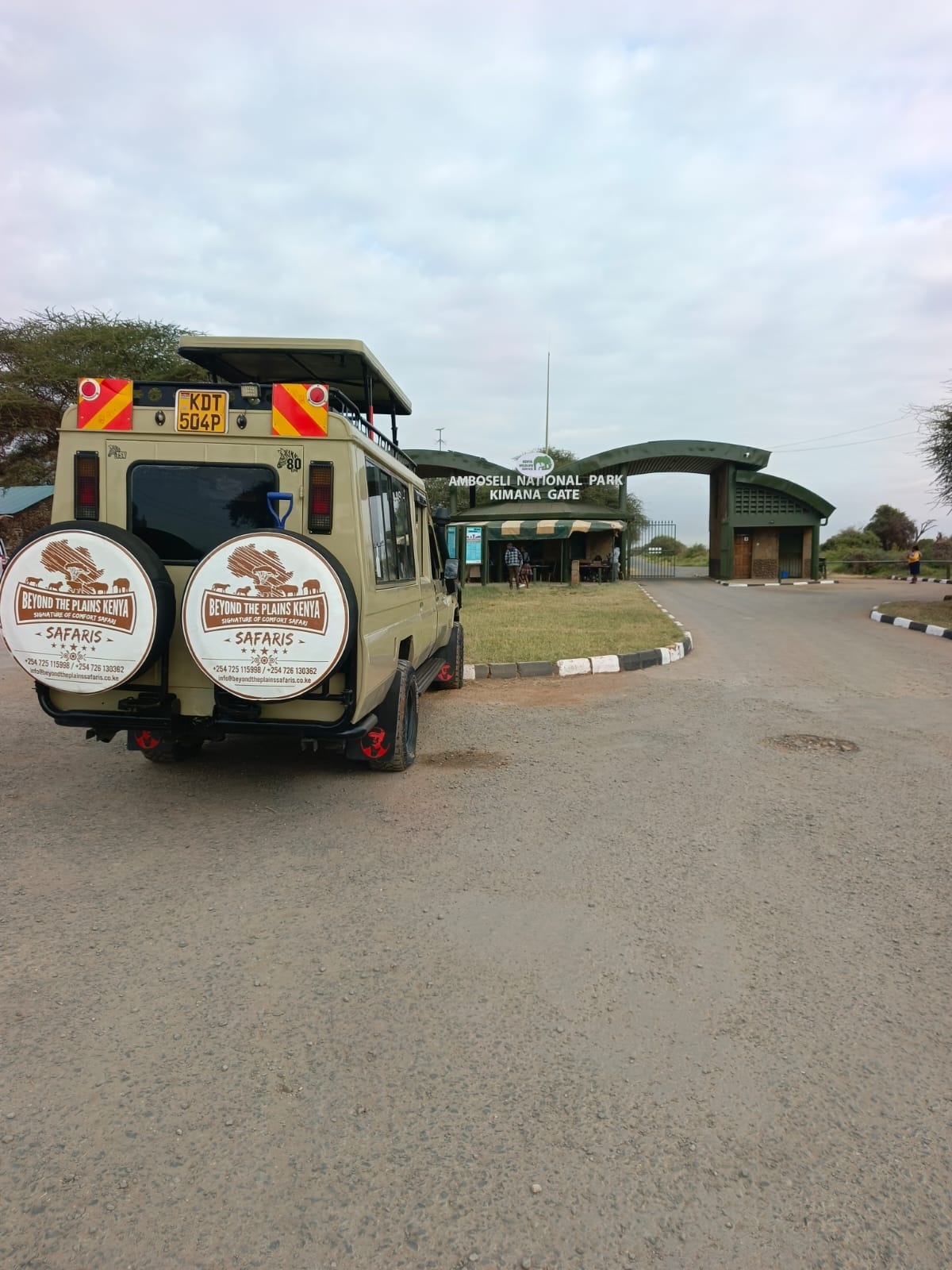
Beyond KATO registration, look for these markers of genuine credibility:
- Verified TripAdvisor reviews with a high volume of detailed testimonials — not just star ratings. Volume matters; it is harder to fabricate 300 reviews than 30.
- Award credentials from recognised travel industry bodies. Beyond The Plains Safaris holds a 2025 Tourism Excellence Award (1st Runners-Up, Best Tour Operator in Kenya) alongside multiple TripAdvisor Travelers' Choice Awards.
- Named, certified guides with Kenya Professional Safari Guides Association credentials. Ask your operator who will be leading your drives before you book.
- Conservancy partnerships — operators with genuine relationships inside the Mara conservancy network can access wildlife areas and activities unavailable to standard park visitors.
- Custom vs. packaged flexibility — the best operators build itineraries around your specific requirements rather than slotting you into a fixed group departure.
Read our full guide to 28 reasons to choose Beyond The Plains Safaris — a detailed, honest breakdown of what separates boutique operators from aggregators. For trade partners and travel agents, our dedicated travel agent and partner page outlines commission structures and co-operative itinerary-building processes.
What Should You Pack for a Kenya Safari Holiday?
Packing for a Kenya safari holiday requires balancing practicality with weight constraints, especially if your itinerary includes domestic light aircraft legs where luggage is typically limited to 15kg in a soft-sided bag. The essentials divide into three categories: clothing, health, and documentation.
Clothing should be layered and neutral-toned. Mornings on the Mara can be genuinely cold (10–15°C at game drive start), while afternoon temperatures often reach 28–32°C in the low season. Pack: lightweight khaki or olive trousers and shirts, a fleece or down jacket for morning drives, a wide-brimmed hat, UV-protection sunglasses, and closed-toe walking shoes for bush walks. Avoid blue or black clothing, which attracts tsetse flies in certain regions.
Health and vaccinations are a critical pre-departure step. Yellow fever vaccination is required if arriving from a yellow fever-endemic country and strongly recommended regardless. Malaria prophylaxis is advised for all of Kenya's major safari destinations — consult your GP or travel health clinic at least 4–6 weeks before departure. For a comprehensive overview of Kenya safari vaccinations and health requirements , including a full Kenya-specific vaccination checklist, see our dedicated health guide.
Documentation requirements: most nationalities require a visa for Kenya, obtainable via the eCitizen portal (evisa.go.ke) for approximately $50. An ETA (Electronic Travel Authorisation) replaced the former visa-on-arrival system in 2023. Travel insurance with emergency medical evacuation cover is essential — medical facilities outside Nairobi are limited, and air evacuation from the Mara can cost upwards of $15,000 without cover.
A full Kenya safari packing list covering photography gear, electrical adaptors (Kenya uses UK-standard Type G sockets), and lightweight luggage options is available in our dedicated packing guide.
Can You Combine a Kenya Safari Holiday with a Beach Extension?
A Kenya safari holiday can absolutely be extended with a beach component, and this combination — bush and beach — is one of the most sought-after travel structures in the world. Kenya's Indian Ocean coastline and Tanzania's Zanzibar archipelago are both within a short domestic flight of Nairobi, making the transition seamless.
Diani Beach, located 30km south of Mombasa on Kenya's south coast, offers white-sand beaches, coral reef snorkelling, and boutique beachfront properties within a 1-hour flight of Nairobi. It integrates naturally into a 7–10 day itinerary as a 2–3 night closing chapter. The Diani Beach destination page covers accommodation options and activities.
Zanzibar Island sits 85km off the Tanzanian coast and is East Africa's most celebrated beach destination — a UNESCO-listed Stone Town, spice plantations, and 25km of powdery white beach at Nungwi. Zanzibar pairs naturally with any itinerary that has visited the Mara and Amboseli. Our sister brand, Serengeti Trails Safaris, handles Tanzania-side logistics including Zanzibar transfers and accommodation. See the full Zanzibar island guide for property recommendations.
The Mara and Serengeti combination package extends the classic Kenya experience into Tanzania's Serengeti for travellers who want to follow the Migration on both sides of the Mara River — an extraordinary cross-border safari that no single-country itinerary can replicate.
What Wildlife Can You Expect to See on a Kenya Safari Holiday?
Kenya supports one of the most diverse wildlife assemblages on Earth, and a well-structured multi-destination itinerary can produce sightings of well over 50 mammal species alongside hundreds of bird species. The headline species — lion, leopard, elephant, Cape buffalo, and rhinoceros — make up the iconic Big Five, and all are reliably encountered across Kenya's major parks.
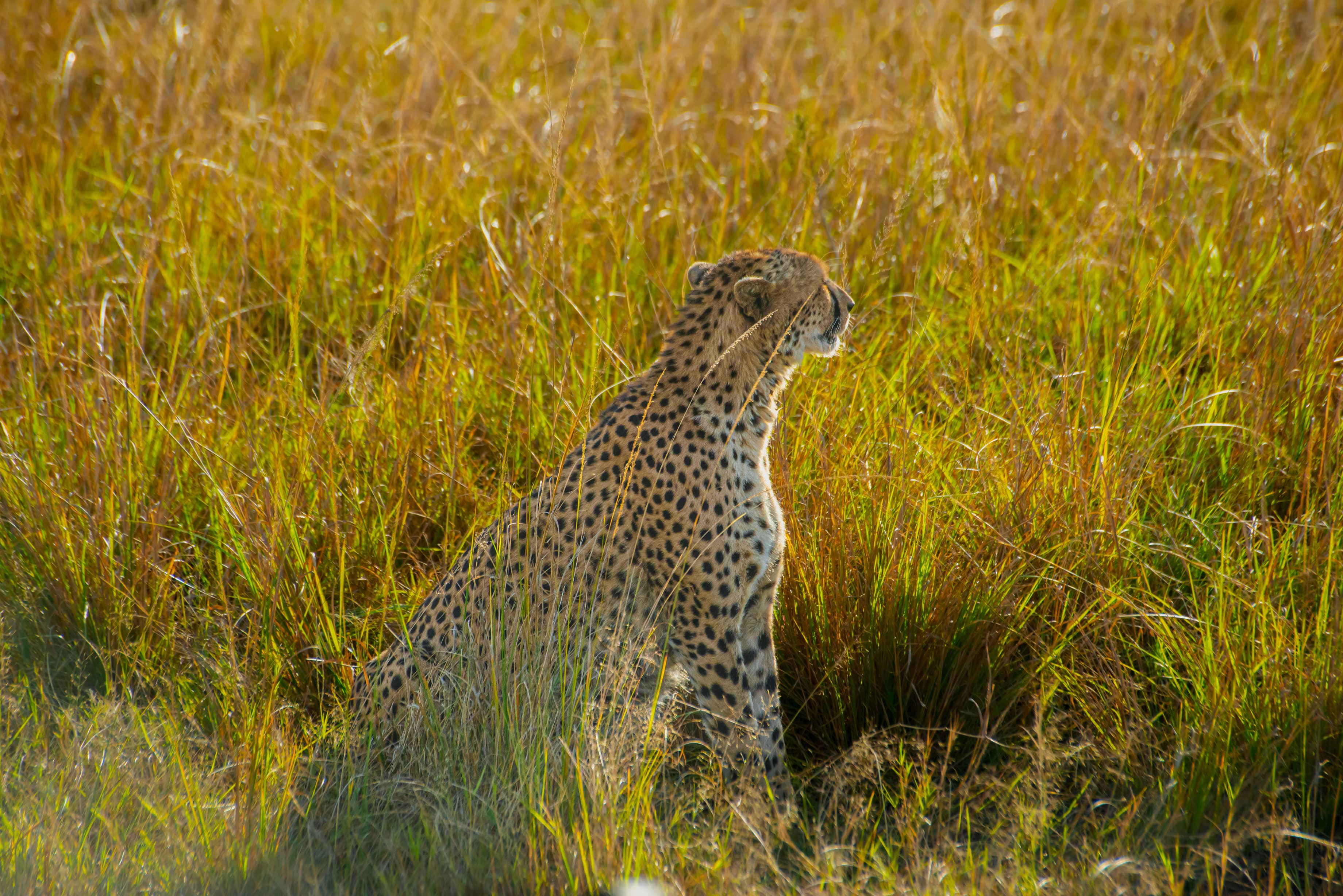
Beyond the Big Five, Kenya's species list includes cheetah (among the highest densities in Africa in the Mara), wild dog (increasingly sighted in the Laikipia Plateau), hippopotamus along the Mara River, crocodile at the Migration crossings, and the uniquely northern Samburu species — reticulated giraffe, Grevy's zebra, and gerenuk — found nowhere else in Kenya. Kenya is also a world-class birding destination, with over 1,100 recorded species — Source: Kenya Birds Atlas, 2022. The flamingo spectacle at Lake Nakuru, while less predictable than in earlier decades due to water level changes, remains one of Africa's great ornithological sights.
For families travelling with children, wildlife-focused itineraries are highly recommended. Our post on Kenya safari companies for seniors from the USA also covers accessibility and comfort requirements for travellers with specific mobility needs.
Is Kenya Safe for Safari Holidays?
Kenya is safe for safari holidays when travelling with a reputable, experienced operator. The major safari parks and conservancies — Maasai Mara, Amboseli, Samburu, Tsavo, Ol Pejeta — operate in regions with established tourism infrastructure and minimal security risk for travellers on organised safari programmes. Kenya's tourism industry has handled over 2 million international arrivals annually, and serious incidents involving safari tourists are statistically rare — Source: Kenya Tourism Board, 2023.
Common-sense precautions apply: follow your guide's instructions in the bush at all times, do not exit a vehicle in open game areas without guide supervision, and respect all park regulations. Areas near the Kenya-Somalia border in the far northeast are not safari regions and are correctly flagged as high-risk by most government travel advisories — this has no bearing on the classic safari circuit. For a detailed region-by-region safety briefing, including Nairobi safety guidance for transit travellers, see our full guide on Kenya safety for tourists .
Conclusion: Your Kenya Safari Holiday Starts Here
Kenya is not simply one of Africa's great safari destinations — it is the benchmark against which all other safari destinations are measured. The Maasai Mara, the Great Migration, the elephant plains of Amboseli, the rare northern species of Samburu, the rhino sanctuary at Ol Pejeta — no other country of comparable size delivers this concentration of world-defining wildlife experiences. And no other destination pairs that wildlife with the logistical accessibility, the English-speaking guide expertise, and the conservancy model that makes truly exclusive bush access a reality.
Planning it well, however, is everything. The difference between a memorable Kenya safari holiday and a truly extraordinary one lies in the operator you choose, the itinerary structure you design, and the seasonal timing you commit to. At Beyond The Plains Safaris, we have spent years building the park access, conservancy relationships, and guide network that transform good itineraries into exceptional ones. We are KATO-registered, award-recognised, and backed by hundreds of verified TripAdvisor reviews from travellers who trusted us with the trip of a lifetime.
Ready to plan your Kenya safari holiday? Schedule a consultation with our team today, or request a free custom quote and we'll build an itinerary around your exact dates, budget, and wildlife priorities.
Written by John Dante — Director & Operations Manager, Beyond The Plains Safaris. John has over a decade of hands-on experience leading and designing safari itineraries across Kenya, Tanzania, and Zanzibar. He is a named expert contributor to Beyond The Plains Safaris' editorial content and the operational authority behind the company's conservancy access network and guide team. Beyond The Plains Safaris is a KATO-registered boutique safari operator, 2025 Tourism Excellence Award recipient (1st Runners-Up, Best Tour Operator in Kenya), and multi-year TripAdvisor Travelers' Choice Award holder.
Reviewed by the Beyond The Plains Safaris Operations Team — verified against current park regulations, seasonal conditions, and pricing benchmarks as of 2025.










Comments (0)
Leave a Comment
No comments yet. Be the first to comment!