

Great Migration Kenya: A Month-by-Month Guide
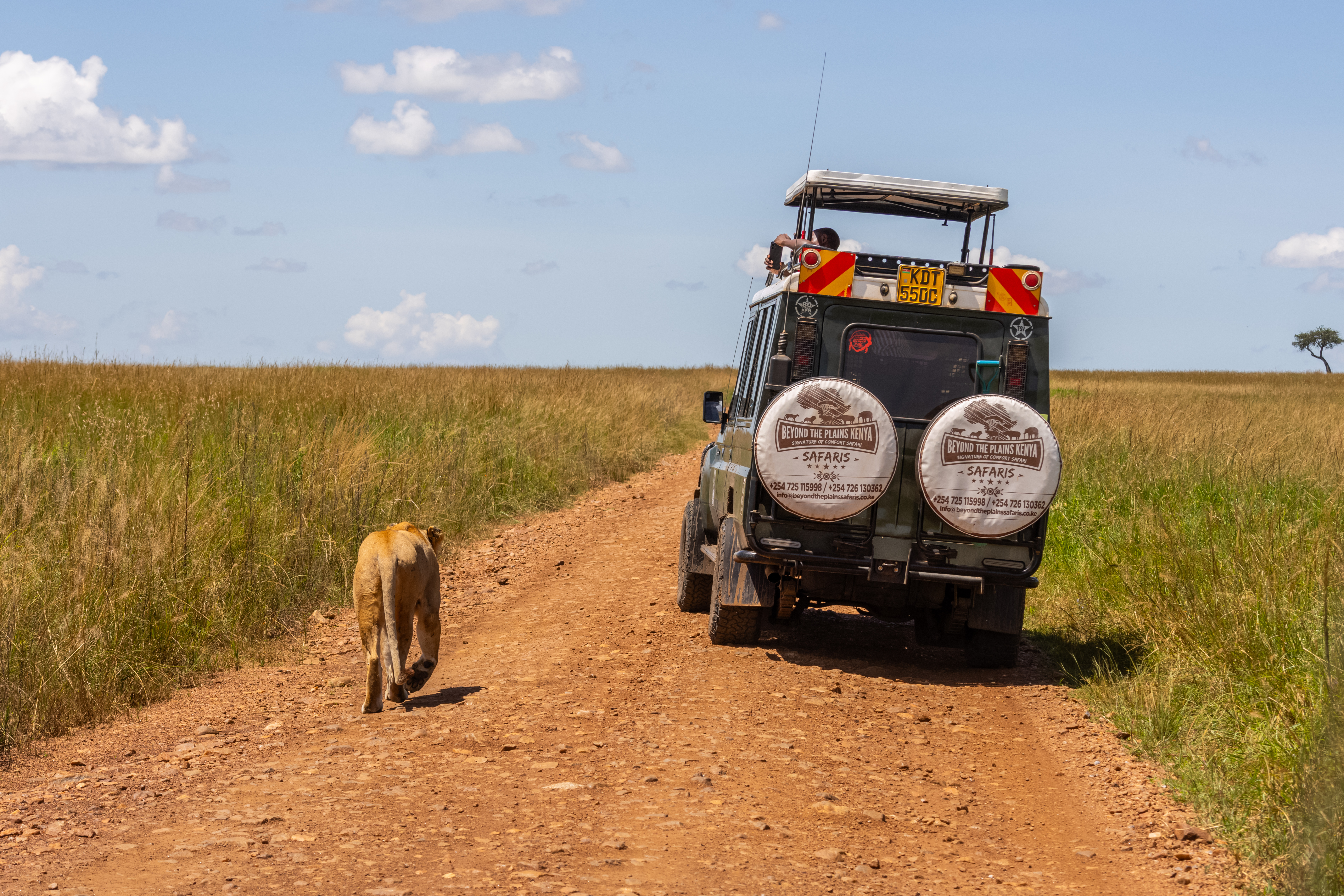
The Great Migration moves through the Serengeti-Mara ecosystem throughout the year, but Kenya's Masai Mara, also written Maasai Mara, usually sees its most anticipated chapter from late June through October. During these months, wildebeest and zebra enter the Masai Mara in search of fresh grass, and some herds cross the Mara River in vast, unpredictable surges.
Timing matters. Arrive too early and the herds may still be in Tanzania; arrive after they have moved south and the riverbanks may be quiet. This guide explains where the animals are likely to be each month, what you can expect in the Masai Mara, and how to plan a safari around the experience you want. For help with the practical details, see our guide to planning a migration safari.
Key Takeaways
- The Great Migration is an annual cross-border circuit across East Africa, involving roughly 1.5 million wildebeest and hundreds of thousands of zebra and gazelles.
- The Masai Mara migration is at its most dramatic between July and October, when herds move into Kenya and crossings become possible.
- August and September are usually the strongest months for crossing activity, but no crossing can be guaranteed on a particular day.
- The migration continues year-round. Tanzania is the better choice to see young wildebeest being born, while Kenya is the main destination for the Mara River crossings.
- For peak-season travel, book accommodation 12 to 18 months ahead if you have a particular camp or conservancy in mind.
- The Mara Triangle and private conservancies can offer fewer vehicles and a more private safari experience than busy areas of the main reserve.
- A 10- to 14-day trip can combine the Masai Mara with Amboseli, Laikipia, or Kenya's coast.
What Is the Great Migration?
The Great Migration is the annual movement of approximately 1.5 million wildebeest, 400,000 zebra, and 200,000 gazelles between Tanzania's Serengeti ecosystem and Kenya's Masai Mara. The animals follow seasonal rains and fresh grass, moving through an unfenced ecosystem that crosses the national border.
This is a continuous cycle, not a single event on a fixed date. When grazing becomes scarce in one area, herds move toward better pasture. Rainfall and grass growth shape their route, which means the timing and location of the migration can change from year to year.
The scale is tied to the animals' daily needs. A wildebeest can eat roughly 4 kilograms of grass per day, so millions of animals need large areas of grazing land. As they feed, the herds move on, following the next area of fresh growth.
For more background on Kenya's parks and safari planning, see our Kenya travel guide.
Why the Migration Is Such a Remarkable Wildlife Event
The migration brings together enormous herds, open grassland, and predators that track the animals as they move. In Kenya, the best-known scenes take place at the Mara River, where wildebeest may gather along the bank for hours before entering the water.
A crossing can begin with one animal taking the first step. Others may follow in a sudden rush, creating a crowded passage through strong currents and habitat for crocodiles. Lions and other predators may wait nearby, but the timing and outcome are never predictable. A river crossing is not a scheduled performance, and even experienced guides cannot promise that one will happen during a particular game drive.
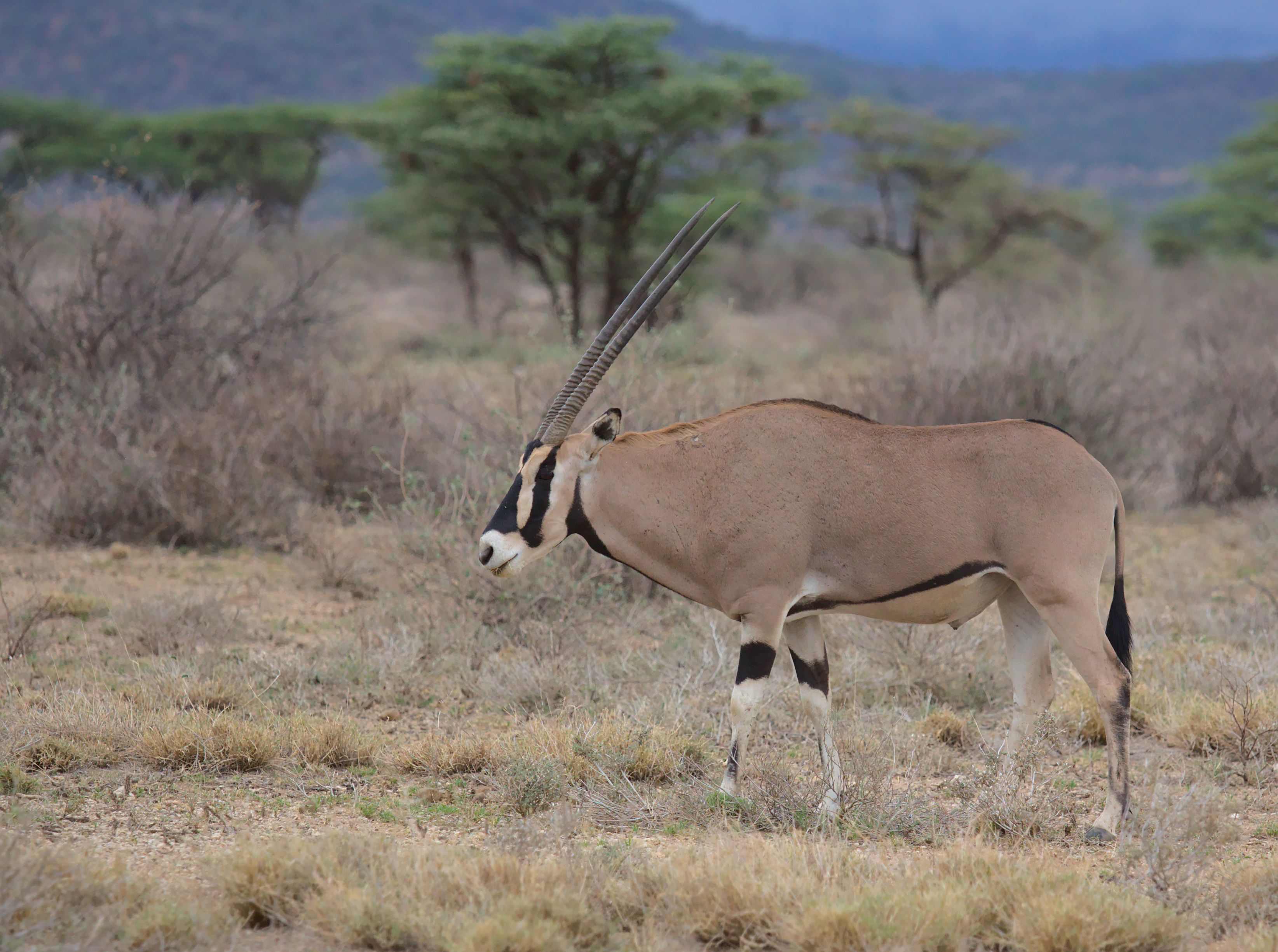
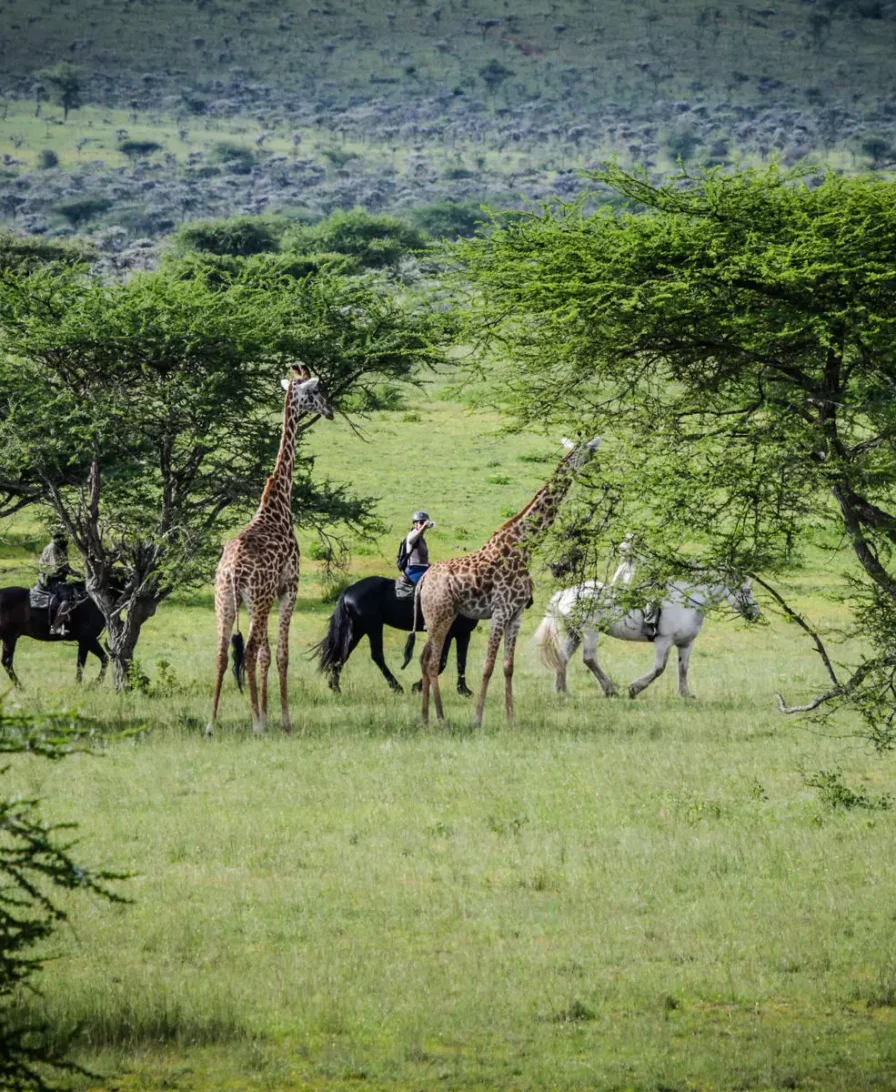
The wider Mara ecosystem also supports resident wildlife throughout the year. Lions, leopards, cheetahs, elephants, hippos, buffalo, and many bird species remain in the region when the migrating herds are elsewhere. The Mara Conservancy's 2022 wildlife census reported an estimated 850 to 900 lions across the greater Mara ecosystem, one reason predator sightings can be strong during migration season.
The Annual Great Migration Route
The herds follow the rains through a broad annual circuit across the Serengeti-Mara ecosystem. The outline below is useful for trip planning, but it shows likely movement rather than a strict timetable.
| Approximate period | Likely herd location | What to expect |
|---|---|---|
| January to March | Southern Serengeti, Tanzania | Calving season and high predator activity |
| April to May | Central and western region | Long rains; herds move northwest |
| June to July | Northern region and southern Masai Mara | Herds approach and enter Kenya; early crossings may occur |
| August to September | Masai Mara, Kenya | Peak period for crossings |
| October to November | Masai Mara and northern region | Herds begin moving south |
| December | Southern region | The circuit continues toward the next wildebeest births |
Kenya sits at the northern end of this route. The Masai Mara is where many travelers hope to see the herds gather and cross the river before moving south again. For the southern portion of the route, see our Serengeti National Park guide.
Month-by-Month Guide to the Great Migration in Kenya
If you are asking when is the Great Migration in Kenya, the simplest answer is that herds generally enter the Masai Mara from late June or July and remain in the ecosystem through October, sometimes into November. The exact timing depends on rain and grazing conditions.
The best time to see the Great Migration in Kenya depends on what you want to experience. Choose August or September for the best chance of seeing river crossings. June and July can bring arriving herds with somewhat lighter crowds, while October may offer late-season viewing and fewer visitors than peak August.
January and February: Calving in Tanzania
In January and February, the migration is centered in Tanzania's southern Serengeti and the Ndutu region. This is calving season, when large numbers of wildebeest calves are born over a relatively short period. The young animals draw predators, including lions, cheetahs, and hyenas.
Kenya is not the right choice if your main goal is to see the migrating herds during these months. There offers the stronger migration experience, while the Masai Mara remains a worthwhile destination for resident wildlife.
March and April: The Long Rains Begin
During March, herds begin moving north and west through the Serengeti as the long rains arrive. By April, the Masai Mara is often green and scenic, but the migrating wildebeest are generally still there.
A Kenya safari in these months can still offer good viewing of resident animals, including elephants, giraffes, buffalo, and big cats. Heavy rain can affect road conditions in the Mara, so allow for slower transfers and a changeable schedule.
May: A Quiet, Green Season
May is near the end of Kenya's long rainy season and is usually a quieter period in the Masai Mara. The grass is lush, visitor numbers are lower, and some camps offer better rates than they do during the migration peak.
The herds are generally in the central or western parts of the region, not Kenya. May can suit travelers who value a calmer safari and a green landscape more than the chance to see the migration. Browse our guide to safari camps in the Masai Mara when comparing locations and accommodation.
June: The Herds Approach Kenya
June is the start of the Kenya migration season, although the herds do not arrive on a fixed date. By mid-to-late June, some animals may reach the northern part of the region and begin moving toward the southern Masai Mara.
The landscape starts to dry and turn golden as the season changes. Early June can be quieter, while visitor numbers tend to rise later in the month. Crossings are possible toward the end of June, but they are irregular. If you travel now, treat the arrival of the herds as a possibility rather than a certainty.
July: The Migration Enters the Masai Mara
July is when large herds commonly begin spreading across the Masai Mara plains. Some animals may gather near the Mara River, and crossings can become more frequent as the herds move through the area.
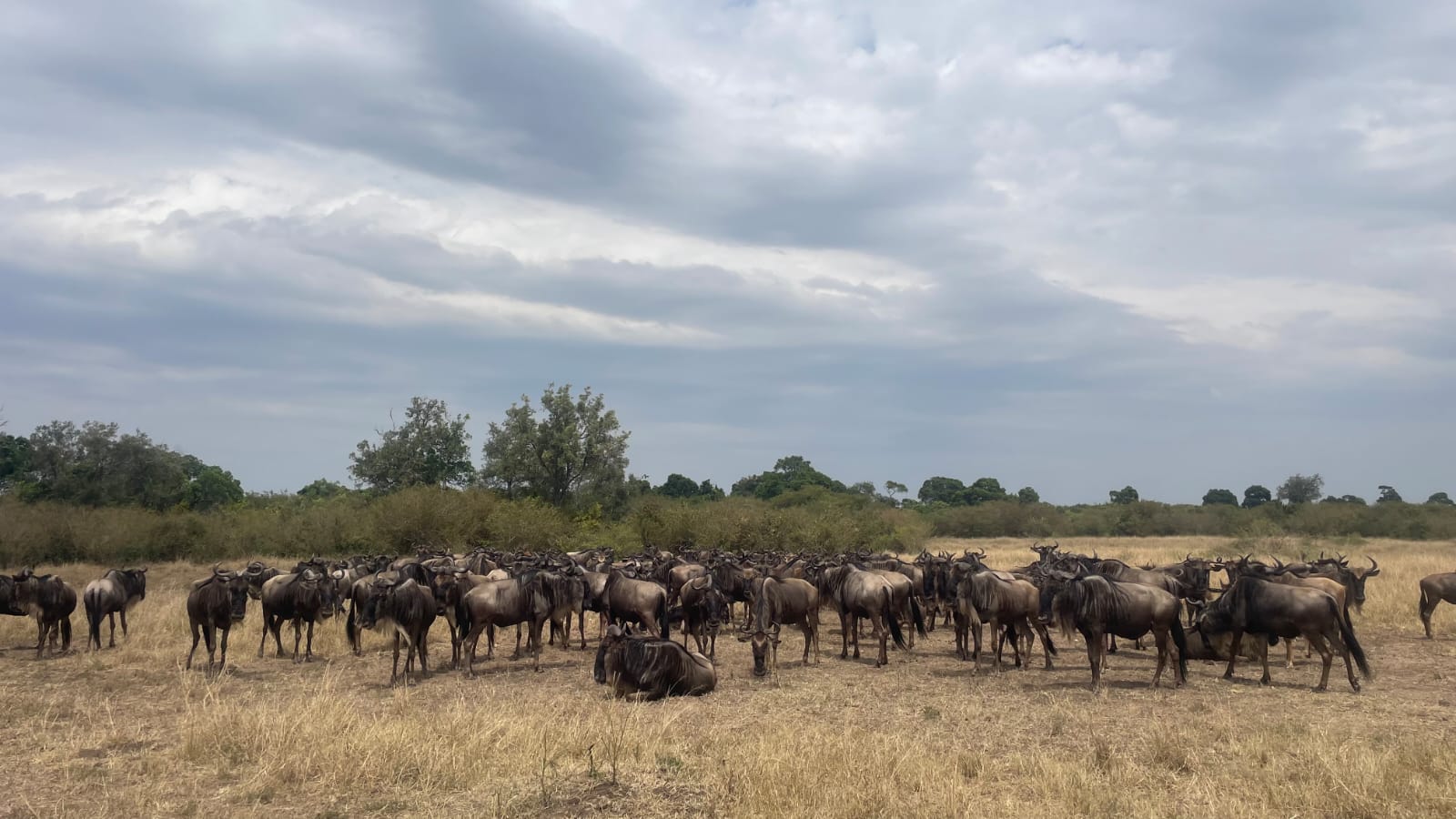
Dry weather usually makes game drives comfortable, but July is a busy month. Camps close to key migration areas are in high demand, so book well ahead if you want a particular location or price range. The wildebeest migration in Kenya can begin earlier or later depending on the season's rainfall.
August: A Strong Month for River Crossings
August is one of the most popular months for river crossings. Large numbers of wildebeest and zebra are often present in the Masai Mara, and crossings may occur as animals seek fresh grazing on the other side of the river.
The dry weather can provide clear skies and good light for photography, while predators remain active around the herds. These benefits come with higher accommodation prices and more vehicles in popular parts of the reserve. Premium camps and conservancy lodges may book up 12 to 18 months in advance.
September: Peak Migration Viewing
September is another strong month for crossing activity. Herd density can remain high, and early-morning light often suits wildlife photography. Crossings may happen on any day, but the herds can also wait at the river without entering the water.
A patient guide can help you read herd behavior and choose which river areas to watch. Even so, patience does not guarantee a crossing. Plan enough nights in the Mara to allow time for changing herd movements rather than building your whole trip around one scheduled river visit.
October: Late-Season Herds and Fewer Crowds
In October, herds may begin moving south as conditions change and the short rains approach. Early October can still offer good opportunities to see migration activity, particularly in the northern Mara and Mara Triangle, but crossings tend to become less frequent later in the month.
October can be a useful option if August and September camps are full. Visitor numbers may ease, and some rates may be lower than in the busiest weeks. The migration can remain in Kenya longer in some years, so check current herd information close to departure.
November and December: The Herds Move South
By November, many of the herds have left Kenya and are moving south through the northern part of the region. The Masai Mara is then known for its resident wildlife rather than large concentrations of migrating wildebeest.
The short rains can bring fresh grass, and the migration continues toward the southern part of the region. November and December suit travelers looking for a quieter safari with strong chances to see resident predators and elephants, rather than a trip focused on river crossings.
Migration Timing at a Glance
| Month | Likely herd location | Crossing activity in Kenya | Typical crowd level |
|---|---|---|---|
| January | Southern region | None | Low |
| February | Southern region | None | Low |
| March | Central region | None | Low |
| April | Western region | None | Very low |
| May | Western or northern region | None | Very low |
| June | Approaching or entering the Masai Mara | Possible late in the month | Moderate |
| July | Masai Mara | Increasing, but variable | High |
| August | Masai Mara | Frequent in some areas | Very high |
| September | Masai Mara | Often frequent, never guaranteed | Very high |
| October | Masai Mara, with herds beginning to move south | Decreasing | Moderate to high |
| November | Northern region and departing from Kenya | Rare | Low |
| December | Southern region | None | Low |
Crowd levels and crossing activity vary by location and year. This table shows common seasonal patterns, not fixed predictions.
Where to See the Migration in Kenya
The Maasai Mara ecosystem, called the Masai Mara in this guide, is Kenya's main destination for the migration. Where you stay within the ecosystem affects how quickly you can reach wildlife viewing areas and how busy they may be. A camp's location can't guarantee a crossing, but it can reduce daily driving time and give your guide more options.
For more detail on the reserve and its different areas, read our Masai Mara National Reserve guide.
The Mara Triangle and the Main Reserve
The Mara Triangle is the western section of the Masai Mara National Reserve, managed separately by the Mara Conservancy. Vehicle access is controlled, which can mean fewer vehicles at sightings than in busier parts of the reserve.
The Mara River forms part of the Triangle's boundary, and several known crossing areas are nearby. That makes the area a strong choice for travelers focused on river activity, though the herds don't use every crossing point at the same time. Camps in and around the Triangle are popular during peak season, so book early.
Private Conservancies
Private conservancies around the reserve include Olare Motorogi, Mara North, Ol Kinyei, and Naboisho. These areas operate through agreements with local landowners and generally have fewer visitors than the main reserve.
Depending on the conservancy and camp, activities may include night drives, walking safaris, and off-road driving, options that are restricted inside the national reserve. Wildebeest move freely through the ecosystem and may enter conservancy land during migration season. Conservancies are a good fit if you value fewer vehicles and varied activities, though they can cost more than some reserve-based stays. See our comparison of Kenya conservancy safaris and national reserve safaris.
Choosing a Safari Camp
Camp location matters because the Mara ecosystem is large, and driving between areas can take time. Consider the camp's position, guiding, vehicle arrangements, and access to areas where herds are likely to be. The best location can change as the migration moves.
For travelers planning a Kenya luxury safari, high-end options include Angama Mara, Mahali Mzuri, and Sanctuary Olonana. These camps offer upscale accommodation and private game-drive options. Peak-season rates in the source material range from about $1,200 to more than $3,000 per person per night, depending on the camp and arrangement.
Mid-range options such as Sentinel Mara Camp, Basecamp Masai Mara, and Kichwa Tembo can offer good guiding and useful access to wildlife at a lower price point. Rates vary by season and package; the source material gives a broad peak-season range of $500 to $1,100 per person per night.
Mobile camps, often tented and repositioned seasonally, stay near likely wildlife activity. Their smaller size and changing locations can appeal to migration-focused travelers, but they are also among the first to sell out. Plan 14 to 18 months ahead if a specific mobile camp is a priority.
July, August, or September: Which Month Should You Choose?
August and September are usually the strongest choices for travelers hoping to see Mara River crossings. The best month for you depends on how you balance herd numbers, accommodation costs, and visitor numbers.
- July is a good option if you want to see the herds arriving. Crossings may occur, and prices can be lower than in August, although the month is still busy.
- August often brings high herd numbers and frequent crossing opportunities. It also brings peak-season prices and heavy demand for accommodation.
- September can offer conditions similar to August, with strong migration activity and good photographic light. It remains a popular month, so do not expect the Mara to be quiet.
Late August and early September often provide a strong balance of herd presence, crossing opportunities, and dry-season conditions. However, the migration follows rain and grazing, not a travel calendar. Choose a month based on probability, then leave room in your itinerary for the animals to move on their own schedule.
Visiting the Masai Mara Outside Migration Season
The Masai Mara is a year-round safari destination. Resident wildlife remains in the ecosystem when the migratory herds are in Tanzania, and sightings of lions, leopards, cheetahs, elephants, hippos, and buffalo do not depend on the migration.
The green season has a different character from peak migration months. The plains can be lush, visitor numbers may be lower, and the absence of large crowds around river crossings can make game drives feel more private. April and May can appeal to travelers who value a quieter stay and lower rates, provided they are comfortable with rain and changing road conditions.
If migration sightings are not essential, you have more flexibility with dates. You can plan around resident wildlife, your budget, and the pace of the safari rather than trying to match a moving herd.
How to Plan a Great Migration Safari
Peak-season planning requires an early start, especially if you want to stay in a particular camp or conservancy. Accommodation availability and rates depend on travel dates, location, and comfort level, so set those priorities before choosing your final itinerary.
How Far Ahead to Book
For August and September, aim to book 12 to 18 months in advance. For July and October, 9 to 12 months can be enough, although the most sought-after camps may sell out sooner.
If your trip is less than six months away, you may still find options, but you will have fewer camps and room types to choose from. Flexibility with dates and location helps. A specialist operator may also know about availability across different areas of the Mara. Ask whether its Expedition Leaders can interpret current herd movements and adapt plans accordingly. Our guide to choosing an ethical safari operator in Kenya can help you compare providers.
Flying In or Traveling by Road
A light-aircraft flight from Nairobi to the Masai Mara takes about 45 minutes, followed by a transfer from the airstrip to your camp. Flying is a practical choice during peak season because it saves several hours on the road and gives you more time in the reserve.
A road transfer from Nairobi generally takes five to six hours, depending on road conditions and the destination camp. It can work well when you have extra time, especially in the dry season. Wilson Airport has daily services to Mara airstrips from operators including Safarilink, Air Kenya, and Fly540.
What to Pack
Pack neutral-colored clothing such as khaki, olive, and beige. A lightweight jacket is useful for cool early-morning drives, and a hat, sunscreen, and sunglasses help during long days in the open vehicle.
If you are bringing camera equipment, consider a telephoto lens, binoculars, and a dust bag to protect your gear. For a full checklist, see our Kenya safari packing guide.
Photography at the River
A telephoto lens of at least 400mm can help you photograph animals at a suitable distance from the crossing area. Use burst mode when the herd begins to move, and keep your camera ready before the action starts. Crossings can happen quickly after a long wait.
For wider scenes across the plains, a 70-200mm zoom can be useful. Follow your guide's instructions and keep a safe distance from wildlife. Our wildlife photography guide covers additional camera and composition tips.
Kenya or Tanzania for the Great Migration?
Choose Kenya from July to October if your priority is the Masai Mara and its crossings. Choose Tanzania for the southern Serengeti, where the herds give birth from January to March, or for their movement through the western corridor around May and June.
Its northern circuit can combine the region with Ngorongoro and Tarangire. Kenya offers other strong additions, including Amboseli, Laikipia, and the coast. Peak-season conservancy stays in the Masai Mara can be expensive, while total trip costs in either country depend on accommodation, park and conservation fees, flights, and itinerary length.
| Factor | Kenya, Masai Mara | Tanzania, Serengeti |
|---|---|---|
| Strongest migration period | July to October | November to June, depending on the herd location |
| Best-known river crossings | Mara River | Grumeti River crossings in the western corridor |
| Births | Not in Kenya | January to March in the southern region |
| Peak-season crowds | High in popular Mara areas | Varies by park and month |
| Common extensions | Amboseli, Laikipia, Kenyan coast | Ngorongoro, Tarangire, Zanzibar |
For a closer comparison, read our guide to Kenya vs. Tanzania safaris.
Frequently Asked Questions
When do the Mara River crossings happen?
The herds generally begin entering the Masai Mara from late June or July. Crossing activity is often strongest in August and September, with some activity possible into October. The timing depends on rainfall, grazing, and herd movement, so no crossing can be promised for a specific day.
How many nights should I stay in the Masai Mara?
Four nights is a reasonable minimum if you are traveling primarily to look for a crossing. Five to seven nights gives you more time to follow changing herd movements and explore different areas. A longer stay improves your chances, but it still cannot guarantee a crossing.
What is the weather like during migration season?
July through September is generally dry in the Masai Mara. Daytime temperatures are often around 22 to 28°C, while early mornings and evenings can be cool, at roughly 10 to 15°C. October may bring the first short rains, usually as brief showers.
What is the difference between the Mara Triangle and the private conservancies?
The Mara Triangle is part of the national reserve and has controlled vehicle access, with several known crossing areas along the river. Private conservancies surround the reserve and often have fewer vehicles, with activities such as night drives and walking safaris available at some camps. Both can provide excellent wildlife viewing; conservancies often offer a more private experience at a higher price.
Does the migration happen every year?
Yes. The movement follows an annual cycle through this cross-border ecosystem. The exact timing, herd location, and number of river crossings change with rainfall and grazing conditions. No safari operator can guarantee that the herds will cross at a particular place on a particular date.
Planning Your Masai Mara Migration Safari
Start by choosing the experience you want. August and September offer the strongest chance of seeing a Mara River crossing, while June and July can bring arriving herds and October can offer late-season viewing with somewhat fewer visitors.
Then set your budget and decide whether a reserve camp, conservancy lodge, or mobile camp suits your plans. A five-night peak-season safari can range from approximately $2,500 per person for a mid-range mobile-camp experience to more than $12,000 per person for an ultra-luxury conservancy stay. Actual costs vary with dates, accommodation, flights, fees, and what is included.
For a longer itinerary, consider combining the Masai Mara with Amboseli, where elephant herds move across open plains beneath views of Kilimanjaro. A 10- to 14-day trip can also include the Kenyan coast for a bush-and-beach extension. Explore our Amboseli National Park guide, Diani Beach guide, and East Africa safari itineraries as you plan.
The migration is extraordinary, but its timing is guided by rain and grass rather than dates on a calendar. Book early, choose the month that matches your priorities, and allow enough time in the Masai Mara to follow the wildlife as it moves.










Comments (0)
Leave a Comment
No comments yet. Be the first to comment!