

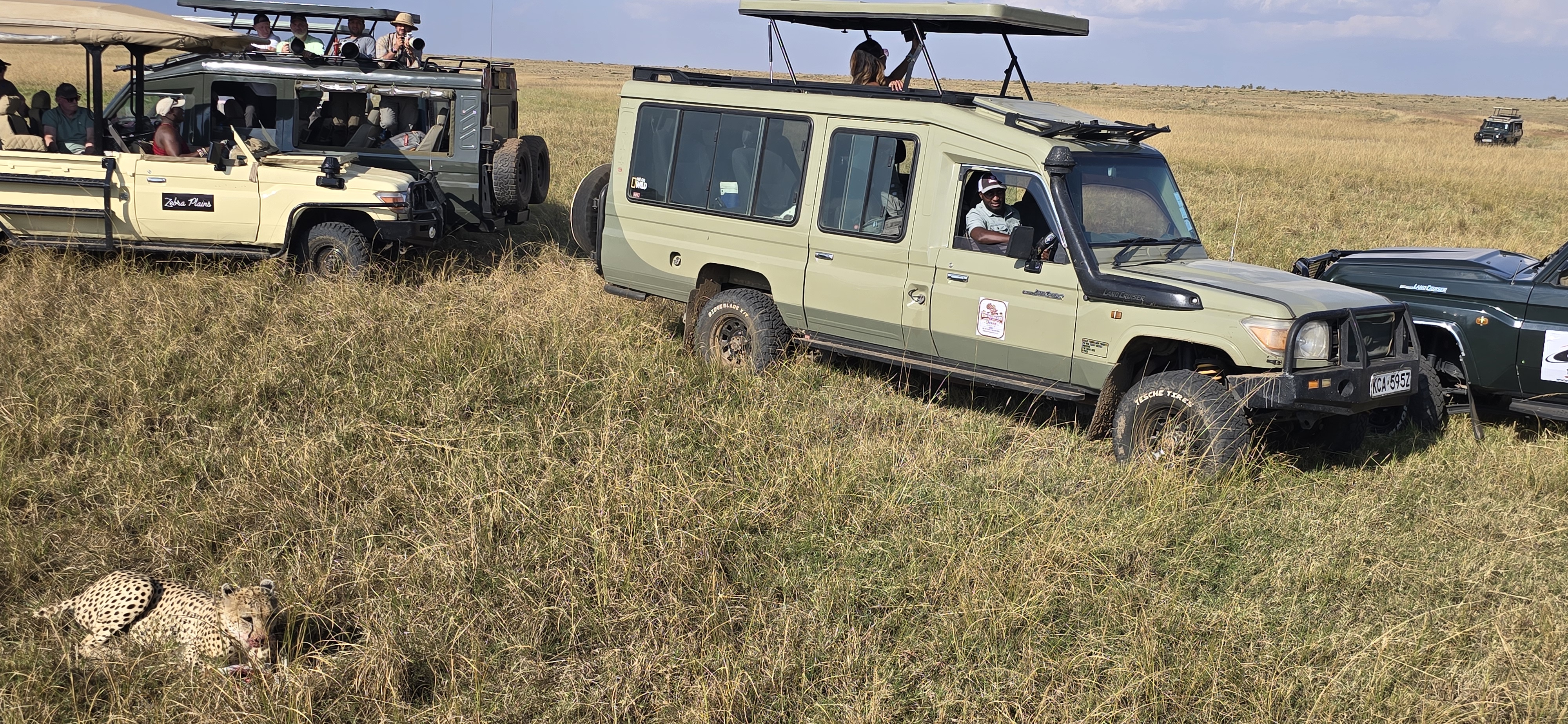
A Kenya holiday centered on safari takes some planning: you'll need to compare flight routes, set a realistic budget, and choose travel dates that fit your priorities. Most itineraries combine an international flight to Nairobi with several days in parks such as the Maasai Mara, Amboseli, or Tsavo. This guide explains the main costs, flight options, and best times to travel.
Key Takeaways
- Most Kenya safari packages include 5 to 10 days on the ground, with international flights adding travel time at both ends.
- British Airways and Kenya Airways operate direct flights from London Heathrow to Nairobi. Travelers departing from other UK airports usually need to connect.
- Flights, accommodation, and park fees make up the largest parts of a Kenya safari budget.
- July through October is the main dry-season window and the best-known period for Great Migration river crossings in the Maasai Mara.
- January and February often bring good wildlife viewing, fewer visitors, and lower prices than peak season.
- UK travelers need a valid passport and a Kenyan Electronic Travel Authorisation (eTA). Vaccination advice depends on your health history and travel route.
- Booking flights and safari accommodation 4 to 6 months ahead can improve your choice of fares and camps, particularly during UK school holidays.
What Is a Kenya Safari Tour from the UK?
A Kenya safari tour from the UK pairs an international flight to Nairobi with a guided wildlife trip in one or more parks and reserves. Most itineraries include 5 to 10 days in Kenya, but you'll need extra time for travel on both ends. Check the full time away from home before requesting leave, since itinerary dates don't include every hour spent traveling.
The trip usually begins at Jomo Kenyatta International Airport (NBO). From there, you'll travel to your first safari area by road in a 4x4 or by light aircraft. A first-time itinerary might include three nights in the Maasai Mara National Reserve, also sometimes written as the Masai Mara, and two nights in Amboseli National Park. You can also add Nairobi National Park or Lake Naivasha, or choose Tsavo or Samburu instead.
Safari packages commonly include game drives, park fees, accommodation, and ground transport. International flights and travel insurance are usually booked separately, so compare those costs with the package price when planning your budget. In practical terms, you're arranging two linked parts of one trip: the flight and the safari on the ground.
Why Kenya Is a Top Safari Choice for UK Travelers
Kenya is a strong choice for UK travelers because it combines a relatively short flight with high wildlife concentrations and well-established safari routes. A direct overnight flight from London takes around nine hours, which can mean less travel fatigue than a longer journey to some destinations in Southern Africa.
UK passport holders also need an eTA before traveling to Kenya. Applications are made online rather than at an embassy, and most are processed within a few working days. See our Kenya visa requirements for UK travelers guide for application details.
The wildlife viewing is another major draw. The Maasai Mara hosts the annual wildebeest migration, while Amboseli is known for close elephant sightings with Mount Kilimanjaro in the background. With a well-planned week in Kenya, you may see all of the Big Five: lion, leopard, elephant, buffalo, and rhino. Sightings are never guaranteed, but choosing the right parks and spending enough time in the field gives you more opportunities.
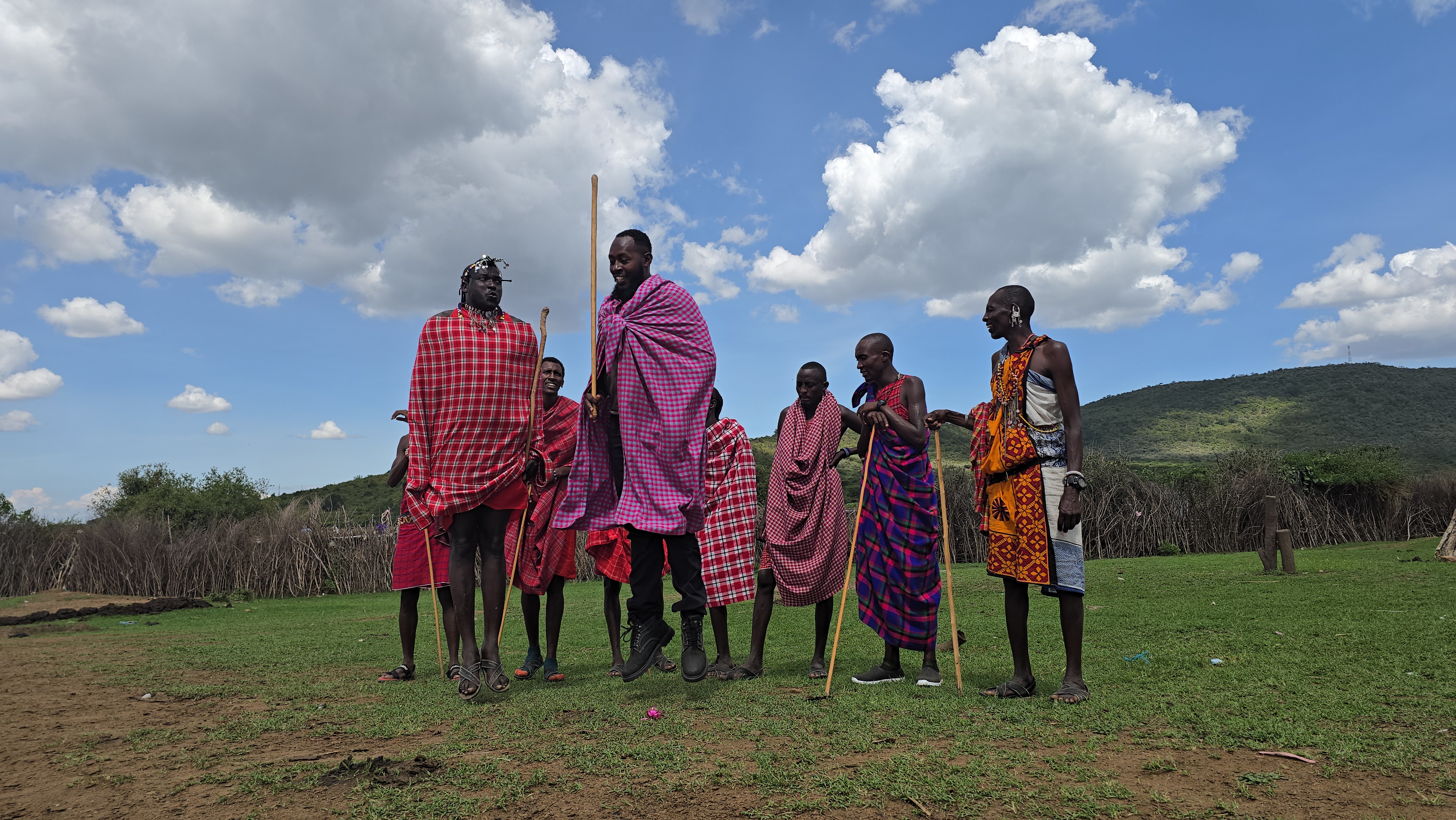
Kenya also has an established tourism network. English is widely used, and tourist areas have access to ATMs and card payments. For a first African safari, that combination of accessible travel, experienced guides, and wildlife-rich parks makes planning more straightforward.
Flight Options from the UK to Kenya
British Airways and Kenya Airways operate direct flights from London Heathrow to Nairobi. Travelers leaving from other UK airports generally need to connect, often through Amsterdam, Doha, or Addis Ababa.
Are There Direct Flights from the UK to Kenya?
Yes. British Airways and Kenya Airways operate non-stop services between London Heathrow and Nairobi (LHR to NBO). Scheduled flight time is about 8 hours 35 minutes to 9 hours 15 minutes, depending on winds and season (Source: British Airways/Directflights.com, 2026).
Heathrow is currently the only UK airport with direct flights to Kenya. Departures from Manchester, Birmingham, and Edinburgh usually involve a connection, with common routes through Amsterdam on KLM, Doha on Qatar Airways, or Addis Ababa on Ethiopian Airlines.
If a direct flight is your priority, Heathrow is the simplest option. A connecting itinerary from another UK city may add two to three hours of flying time, plus the layover, but it can sometimes cost less. Compare the full journey, including airport transfers and connection times, before choosing a fare. See our guide to the best UK airports for flights to Nairobi for more planning detail.
How Long Is the Flight from the UK to Kenya?
A direct flight from London Heathrow to Nairobi takes around 8.5 to 9.25 hours. A connecting route adds about two to four hours of flying time, plus the time between flights. Depending on the connection, a trip from Manchester through Amsterdam can take roughly 12 to 13 hours door to door, compared with about nine hours in the air on a direct Heathrow flight.
When Should You Book Flights?
Booking flights and safari accommodation 4 to 6 months in advance gives you a better chance of finding suitable fares and camps, especially during Easter, summer, and Christmas or New Year. The Heathrow to Nairobi route has a limited number of direct-flight options, and seats can fill quickly as the July to October peak season approaches.
Early booking also gives your safari operator more choice when reserving camps and lodges. This matters most if you have fixed dates or want to stay at a particular property during a busy period.
How Much Does a Kenya Safari Cost from the UK?
The main costs are international flights, the safari package, and pre-trip expenses such as the eTA and vaccinations. Flight prices vary by season and booking date. On the ground, costs depend largely on whether you choose camping, mid-range lodges, or luxury tented camps.
Park fees can also make a significant difference to the total. In the Maasai Mara National Reserve, non-resident adult fees are listed at USD 100 per person per day from January through June and USD 200 per person per day from July through December (Source: Narok County Government, 2026). For families or longer stays, these daily charges add up quickly. Compare them alongside accommodation when reviewing budget and luxury safari lodges.
Cost Differences by Accommodation Tier
The table below outlines three common safari styles. Treat it as a planning guide, not a fixed quote. Your dates, group size, route, and choice of camp all affect the final price.
| Tier | Typical Accommodation | What's Usually Included | Best For |
|---|---|---|---|
| Budget | Mobile camping or basic tented camps | Shared facilities, set-menu meals, and shared 4x4 game drives | First-time travelers on a tighter budget and younger travelers |
| Mid-range | En-suite tented camps or 3- to 4-star lodges | Private rooms, full board, and shared or semi-private game drives | Couples and families seeking comfort without luxury pricing |
| Luxury | Premium tented camps or fly-in lodges | Private guides, fine dining, spa facilities, and private vehicles | Honeymoons, milestone trips, and multigenerational travel |
The accommodation tier is usually where you have the most control over ground costs. A mid-range tented camp usually costs less than a luxury fly-in lodge, while still offering comfortable rooms and professional guiding. International flights are less affected by your choice of camp.
What Does a Typical Kenya Safari Package Include?
A typical package includes accommodation, meals during the safari, park entry fees, a professional driver-guide, and game drives in a 4x4 safari vehicle. Internal transfers between parks are often included, whether they're by road or light aircraft.
International flights, travel insurance, the eTA fee, tips, and alcoholic drinks are commonly excluded. A quote labeled "Flight + Hotel" may also exclude safari logistics, game drives, or park fees. Check the written itinerary for inclusions and confirm whether your driver-guide stays with you between parks.
What Is the Best Month to Go on Safari in Kenya?
July through October is the main dry-season period and one of the most popular times to visit. Wildlife often gathers near permanent water sources, and the Great Migration usually reaches the Maasai Mara during these months. The best time for your trip depends on whether you're prioritizing migration sightings, fewer crowds, or a lower price.
When Does the Great Migration Happen in Kenya?
The Great Migration typically enters the Maasai Mara between July and October, as wildebeest and zebra move north from Tanzania's Serengeti in search of grazing. The most dramatic crossings at the Mara and Talek rivers tend to occur in August and September, although the timing shifts from year to year.
For a closer look at the herd's seasonal movements, see our Great Migration river crossing schedule.
Dry, Shoulder, and Green Seasons
Kenya's safari year can be divided into three broad periods. Each offers a different balance of wildlife viewing, weather, and price.
| Season | Months | Wildlife Viewing | Price Level |
|---|---|---|---|
| Dry / Peak Season | July to October | Excellent visibility, with animals near water and possible Migration river crossings | Highest |
| Shoulder Season | January to February | Very good viewing, with fewer crowds and calving season in the Mara ecosystem | Moderate |
| Green / Low Season | March to May and November | Good wildlife viewing, though dense vegetation or wet roads can make sightings and access harder | Lowest |
January and February are often a good value for travelers who want solid wildlife viewing without peak-season crowds. This period includes wildebeest calving in the southern Mara ecosystem. Newborn calves attract predators, and game drives can be active even without the river crossings that draw visitors later in the year.
Kenya Weather by Month
Kenya's drier periods are generally June through October and January through February. Conditions tend to be sunny, and thinner vegetation can make animals easier to spot. The long rains usually fall between March and May, when heavy downpours can make some roads in the Mara difficult to use.
The shorter rains typically arrive in November. They're often less disruptive and may coincide with lower rates. Even during rainy months, showers are often intermittent rather than continuous, and daytime temperatures in the Mara generally remain in the low to mid-20s°C.
Sample Itineraries and Safari Types
Most first-time visitors from the UK spend 7 to 10 days on the ground. That allows time to visit two or three parks without rushing through every transfer. A five-day trip can work if you focus on one area, such as the Maasai Mara. Longer itineraries can include a coastal stay at Diani Beach or an extension to Zanzibar.
Seven-Day and Ten-Day Itineraries
A seven-day safari often combines two parks, such as the Maasai Mara and Lake Nakuru or the Maasai Mara and Amboseli. An arrival-day visit to Nairobi National Park can fit before you head to the main reserves. Longer routes can add Samburu or Tsavo, or include an overnight stop at Lake Naivasha.
A ten-day itinerary gives you time to add a third park or spend extra nights in the Mara. Extra nights in wildlife areas create more chances to see the Big Five, though sightings aren't guaranteed. One possible route includes Nairobi, Amboseli, the Maasai Mara, and a final night near Lake Nakuru National Park. Lake Nakuru is known for its birdlife and rhino population.
Family, Luxury, and Budget Camping Safaris
The right safari style depends on who's traveling and what matters most to your group. It affects vehicle arrangements, camp choices, and the pace of each day.
- Family safaris often include shorter game drives, family tents or rooms at a family-friendly tented camp, and flexible mealtimes. Read our guide to family-friendly Kenya safari itineraries for advice by age group.
- Luxury safaris may include private guides, flights between parks, and high-end tented camps or lodges with spa and dining facilities. A private safari can include a dedicated vehicle and driver-guide, with flexibility to adjust game-drive times.
- Budget camping safaris can lower ground costs with mobile camps, shared facilities, and a shared safari with group game drives, while keeping the focus on wildlife.
If you're traveling with young children, check camp age limits before booking. Some properties set minimum ages for game drives, while others have family-specific arrangements. Our guide to Kenya safaris with kids covers details to discuss with your operator before paying a deposit.
Practical Planning for UK Travelers
Do UK Citizens Need a Visa for Kenya?
UK citizens need an Electronic Travel Authorisation (eTA) before traveling to Kenya. Apply for the Kenya eTA online before departure, as it isn't issued on arrival. It costs around USD 30, or approximately £23 to £25, for a single-entry authorization and is usually processed within a few working days (Source: eTA Kenya official portal, 2026).
Apply through the official eCitizen or eTA Kenya portal. Third-party websites may charge extra to submit the same application.
Which Vaccinations Do You Need for a Kenya Safari?
Vaccination advice depends on your medical history, itinerary, and country of arrival. Keep routine vaccinations up to date, and ask a travel health clinic or GP whether hepatitis A, typhoid, and malaria medication are appropriate for you.
Yellow fever documentation is required if you arrive from, or have transited through, a country with a risk of yellow fever transmission. You don't need it simply because you're visiting Kenya. Check our guide to vaccinations and health advice for Kenya travel, then confirm current requirements with a UK travel health provider before departure.
Is Kenya Safe for UK Tourists?
The main safari routes and established destinations, including the Maasai Mara, Amboseli, and Tsavo, welcome international visitors throughout the year. On guided trips, the most common concerns are usually petty theft and road safety, rather than safari activities. Reputable operators use vetted drivers, provide safety briefings, and work with camps that have established guest procedures.
Use registered transport, keep valuables secure, and follow your guide's instructions in wildlife areas. These precautions help keep your trip organized and safe.
Packing and Pre-Trip Checklist
Prepare your safari packing list before departure, since some useful items may be difficult to find once you're in the parks. Our Kenya safari packing list includes neutral-colored clothing, layers for cool morning game drives, a wide-brimmed hat, insect repellent, and binoculars.
Before you fly, check that your passport has at least six months of validity remaining. Review baggage limits for light-aircraft transfers, since they can be stricter than your international airline's allowance. Travel health insurance should cover the safari activities in your itinerary.
What to Do Next
Once you've chosen a season and set a budget, compare quotes from two or three established operators. Look beyond the headline price: routes, camp standards, park fees, and package inclusions can differ substantially. Confirm your passport expiry date and apply for your eTA well before departure.
Your operator also affects the quality of the vehicle, the guide's experience, and the support available if travel plans change. Our guide to choosing a Kenya safari tour operator outlines what to ask before booking. Once your dates are set, coordinate flights and safari accommodation so the international journey matches the availability of camps and lodges.
Frequently Asked Questions
Are there direct flights from the UK to Kenya?
Yes. British Airways and Kenya Airways fly direct from London Heathrow to Nairobi, with a flight time of around 8.5 to 9.25 hours. Travelers departing from other UK airports usually need to connect.
What is the best time to go on a Kenya safari?
July through October is the main dry-season period and the best-known time for Great Migration river crossings in the Maasai Mara. January and February often bring good wildlife viewing, fewer visitors, and lower prices.
What does a Kenya safari package usually include?
Packages commonly include accommodation, safari meals, park fees, a driver-guide, game drives, and transfers between parks. International flights, travel insurance, the eTA fee, and tips are usually separate, so check the written itinerary for details.
Do UK citizens need a visa to visit Kenya?
UK citizens need a Kenyan Electronic Travel Authorisation (eTA) before departure. Apply online through the official eTA or eCitizen portal, as the authorization isn't issued on arrival.
Plan Your Kenya Safari from the UK
A Kenya safari from the UK is easier to budget when you separate the trip into its main parts: international flights, a ground package covering two or three parks, and pre-travel costs. A direct or connecting flight takes around 9 to 13 hours, while the best season depends on whether you're looking for migration crossings, fewer crowds, or lower rates.
September brings the possibility of dramatic river crossings in the Maasai Mara. January and February offer a quieter alternative with strong wildlife viewing and calving season in the southern Mara ecosystem. With your dates, route, and accommodation tier in mind, you can compare flights and safari packages on equal terms and build an itinerary that fits the time you have.
For a coastal extension, add a few days in Diani Beach after your safari. Travelers who prioritize seeing the Big Five should choose wildlife-rich parks and allow enough time for game drives, though sightings are never guaranteed.










Comments (0)
Leave a Comment
No comments yet. Be the first to comment!