

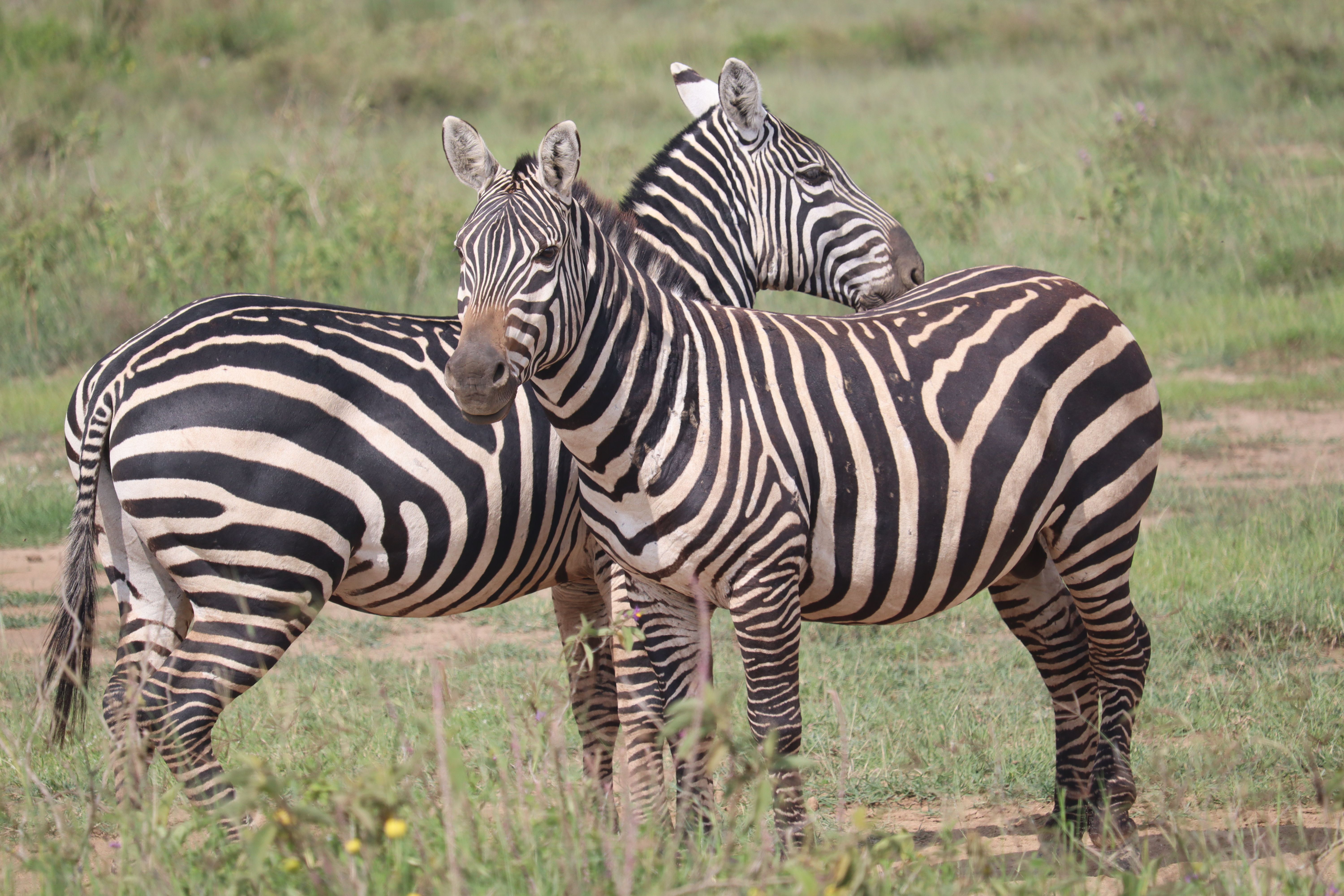
15 Best Kenya Safari Tours (Ranked & Reviewed): The Definitive Guide
You've done the research, scrolled through endless operator websites, and you already know Kenya is one of the world's greatest safari destinations. But with hundreds of tour companies all claiming to offer the "ultimate safari experience," knowing which ones actually deliver — and which ones overpromise — is nearly impossible without insider knowledge. In this guide, we've done the hard work for you: ranking and reviewing the 15 best Kenya safari tours based on itinerary quality, guide expertise, accommodation standards, and real traveler feedback, so you can book with total confidence.
Key Takeaways
- Kenya safari tours range widely in price — from budget camping expeditions (~$200/day per person) to ultra-luxury fly-in safaris exceeding $1,500/day — making the destination accessible across a broad spectrum of traveler budgets.
- The Maasai Mara National Reserve is Kenya's most iconic safari destination, and tours that include it between July and October offer the best chance of witnessing the Great Wildebeest Migration.
- Not all Kenya safari tours are equal — key differentiators include guide credentials, maximum group size, accommodation tier, and whether the itinerary includes off-the-beaten-path parks like Samburu or Ol Pejeta.
- Private safari tours offer greater flexibility and exclusivity but cost significantly more; group tours are cost-effective and ideal for solo travelers seeking a social experience.
- Reputable Kenya safari operators are registered with the Kenya Tourism Board (KTB) and KATO — verifying membership in these bodies is an essential vetting step before booking.
- Most Kenya safari tours include accommodation, game drives, park fees, and meals — flights, tips, visas, and travel insurance are typically excluded and should be budgeted separately.
- Booking 6–12 months in advance is strongly recommended for peak-season travel (July–October), especially for high-demand lodges in the Maasai Mara.
What Is a Kenya Safari Tour and What Does It Include?
A Kenya safari tour is a guided wildlife excursion through Kenya's national parks and conservancies — most commonly the Maasai Mara, Amboseli, Tsavo, and Samburu — typically lasting between 3 and 14 days and including game drives, accommodation, meals, and park entrance fees. The experience centres on game drives in modified 4×4 vehicles with pop-up roofs, conducted by licensed naturalist guides who interpret animal behaviour, track wildlife, and navigate routes inaccessible to self-drive visitors.
Most standard Kenya safari packages include: full-board accommodation at lodges or tented camps, twice-daily game drives (morning and afternoon/evening), park or conservancy entrance fees, ground transfers between destinations, and a licensed English-speaking guide. What is typically excluded — and where budgets frequently go wrong — are international flights, visa fees, travel insurance, personal tips, optional activities like hot air balloon rides, and laundry services.
The key distinction between a guided safari tour and a self-drive safari is expert guidance. Self-drive visitors can legally enter Kenya's parks independently, but without a skilled guide's ability to locate wildlife, read animal behaviour, and access private conservancy areas, the experience is fundamentally different. For most international visitors, a guided safari tour with a local operator delivers dramatically better sightings and a richer educational experience. For a deeper planning overview, read our Ultimate Guide to Kenya Safari Holidays.
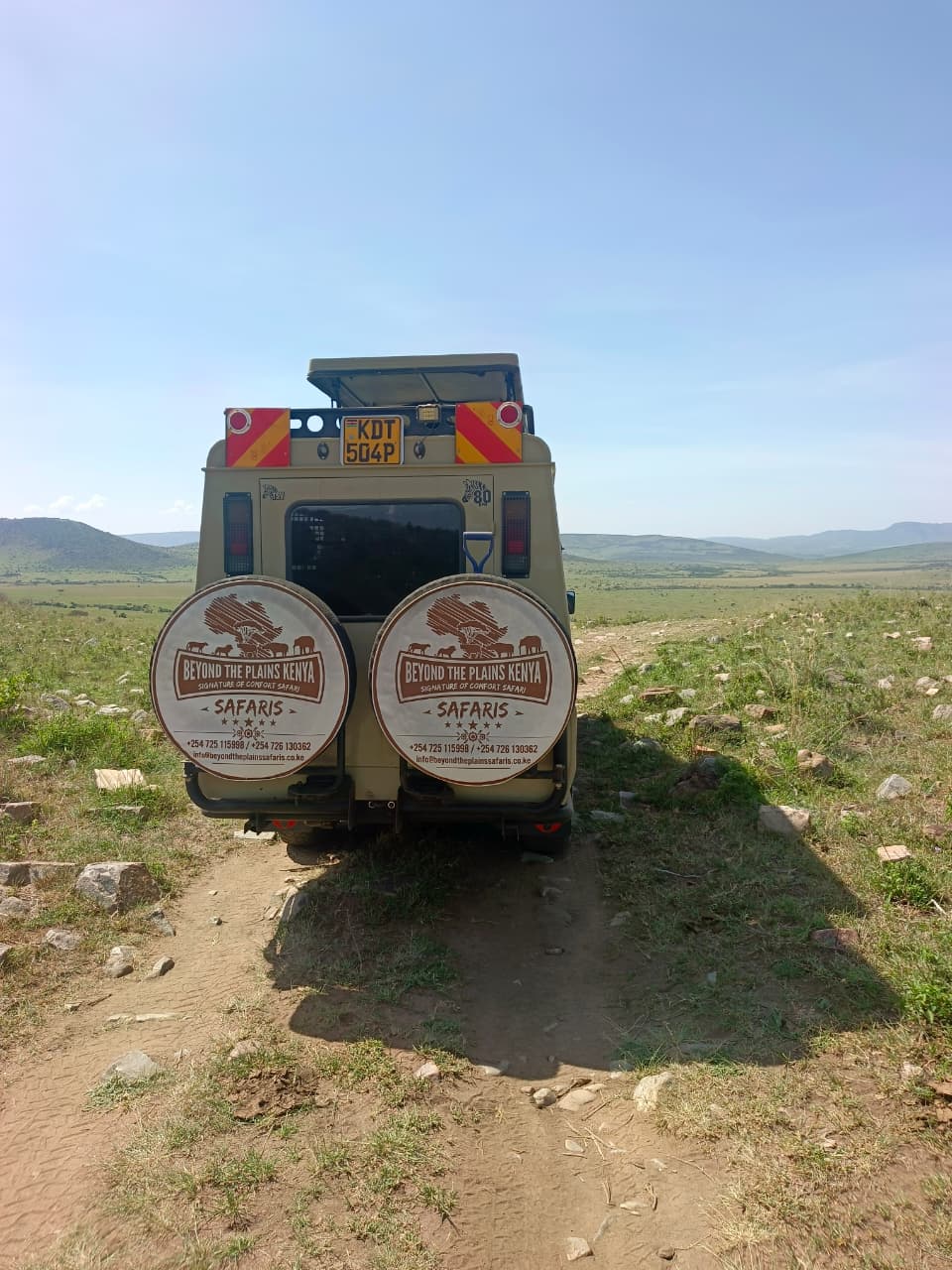
Why Is Kenya Considered One of the Best Safari Destinations in Africa?
Kenya is widely regarded as Africa's premier safari destination because it combines the Big Five, the Great Wildebeest Migration, diverse ecosystems, world-class lodge infrastructure, and authentic cultural encounters — all within a single accessible country. No other East African destination offers the same concentration of iconic wildlife experiences across as many distinct landscapes: from the open savannah of the Maasai Mara National Reserve to the elephant-dotted plains of Amboseli National Park beneath Mount Kilimanjaro.
The Great Wildebeest Migration, in which over 1.5 million wildebeest and 200,000 zebras cross between Tanzania's Serengeti and Kenya's Maasai Mara, occurs primarily between July and October and is widely considered the greatest wildlife spectacle on Earth. This annual phenomenon — a continuous cycle of birth, movement, and predation — draws safari travelers from every continent and remains the single strongest reason visitors choose Kenya over competing destinations. — Source: Kenya Wildlife Service, 2024
Beyond the Migration, Kenya offers ecological range that Tanzania and South Africa simply don't replicate in one destination. You can track the rare Northern Special Five (Reticulated giraffe, Grevy's zebra, Somali ostrich, Beisa oryx, and Gerenuk) in Samburu Game Reserve; encounter resident black rhino at Ol Pejeta Conservancy; and watch tens of thousands of flamingos paint Lake Nakuru National Park pink — all within a 10-day itinerary. Kenya also receives over 2 million international visitors annually, making its lodge and camp infrastructure among the most refined on the continent. — Source: Kenya Tourism Board, 2024
For European travelers weighing options, our Afrika Kenya Safari Guide provides a country-specific planning overview tailored to visitors from the EU.
How We Ranked and Reviewed These Kenya Safari Tours
These 15 Kenya safari tours were evaluated against a proprietary seven-point framework developed from over 15 years of on-the-ground operational experience in Kenya's safari circuit. The ranking criteria are designed to reflect what genuinely matters for a transformative safari, not just what looks good in marketing materials.
Our ranking framework weighs the following dimensions:
- Itinerary Quality — Does the route maximise wildlife exposure? Does it balance iconic parks with off-the-beaten-path destinations? Are travel days minimised?
- Guide Expertise — Are guides licensed by the Kenya Professional Safari Guides Association (KPSGA)? How many years of field experience? Are they employed full-time or contracted per trip?
- Accommodation Standards — Quality, location, and wildlife-viewing proximity of lodges or camps. Authenticity matters as much as luxury tier.
- Value for Money — Not the cheapest price, but the most experience delivered per dollar spent. Hidden fees are a disqualifier.
- Group Size and Vehicle Standards — Smaller groups and well-maintained 4×4 pop-roof vehicles with communication equipment produce better safaris.
- Ethical and Responsible Practices — Does the operator support community conservancies, maintain respectful wildlife distances, and prioritise local employment? Read more in our guide to the best safari operators in Kenya.
- Customisation and Flexibility — Can the itinerary be adjusted to traveler interests, fitness levels, and real field conditions?
Beyond the Plains Safaris is a KATO-certified, Tourism Regulatory Authority-licensed operator based in Nairobi, Kenya, with a 4.9-star TripAdvisor rating earned across 101+ verified reviews and three consecutive TripAdvisor Travelers' Choice Awards (2022, 2023, 2024). All 15 tours in this guide are available to book through Beyond the Plains Safaris with fully itemised, no-hidden-fee pricing.
The 15 Best Kenya Safari Tours (Ranked & Reviewed)
1. Maasai Mara Safari Tour — Best Overall Kenya Safari
The Maasai Mara Safari Tour is the definitive Kenya safari experience, delivering consistent Big Five sightings, the highest predator density of any African reserve, and a landscape so cinematic it feels scripted. This is the tour that justifies a transatlantic flight.
Overview: Beyond the Plains Safaris' Maasai Mara safari package places you in the heart of Kenya's most celebrated reserve for 3 to 5 game drive days, with private 4×4 vehicle access, a licensed naturalist guide, and accommodation at quality lodges or tented camps on or near the reserve boundary.
What's Included: Private 4×4 safari vehicle, full-board accommodation, twice-daily game drives, park entrance fees, airport/hotel transfers, English-speaking licensed guide.
Highlights: The Maasai Mara sustains the highest concentration of lion prides in Kenya — over 900 documented individuals according to the Mara Predator Conservation Programme, 2023. Cheetah sightings are remarkably consistent, leopard are present year-round, and elephant herds move freely through the conservancy system surrounding the reserve. Cultural visits to Maasai boma communities, which Beyond the Plains facilitates with genuine respect and care (read our guide on what actually happens at a Maasai village visit), add real depth to the experience.
Best For: First-time Kenya safari visitors, couples, anyone visiting July–October for the Migration.
Price Range: From $400–$800 per person per day (mid-range to luxury, depending on accommodation choice).
Pros: Unmatched predator sightings; year-round Big Five access; iconic landscape; proximity to Nairobi (road or short flight).
Cons: Can be crowded at peak season; premium camps in private conservancies cost significantly more than main-reserve lodges.
Verdict: Best Overall ⭐⭐⭐⭐⭐
2. Great Migration Safari — Maasai Mara — Best for Wildlife Spectacle
The Great Migration Safari is a purpose-built itinerary timed around the wildebeest and zebra river crossings in the Maasai Mara, offering travelers a realistic chance of witnessing one of the most dramatic wildlife events on the planet.
Overview: Beyond the Plains' migration-focused safari prioritises position over pace — nights in camps close to the Mara River crossing points, extended game drives guided by real herd movement data, and flexible scheduling to remain in position when a crossing is imminent.
What's Included: All standard Maasai Mara inclusions, plus migration-briefing sessions, extended game drive hours, and priority positioning at active crossing zones.
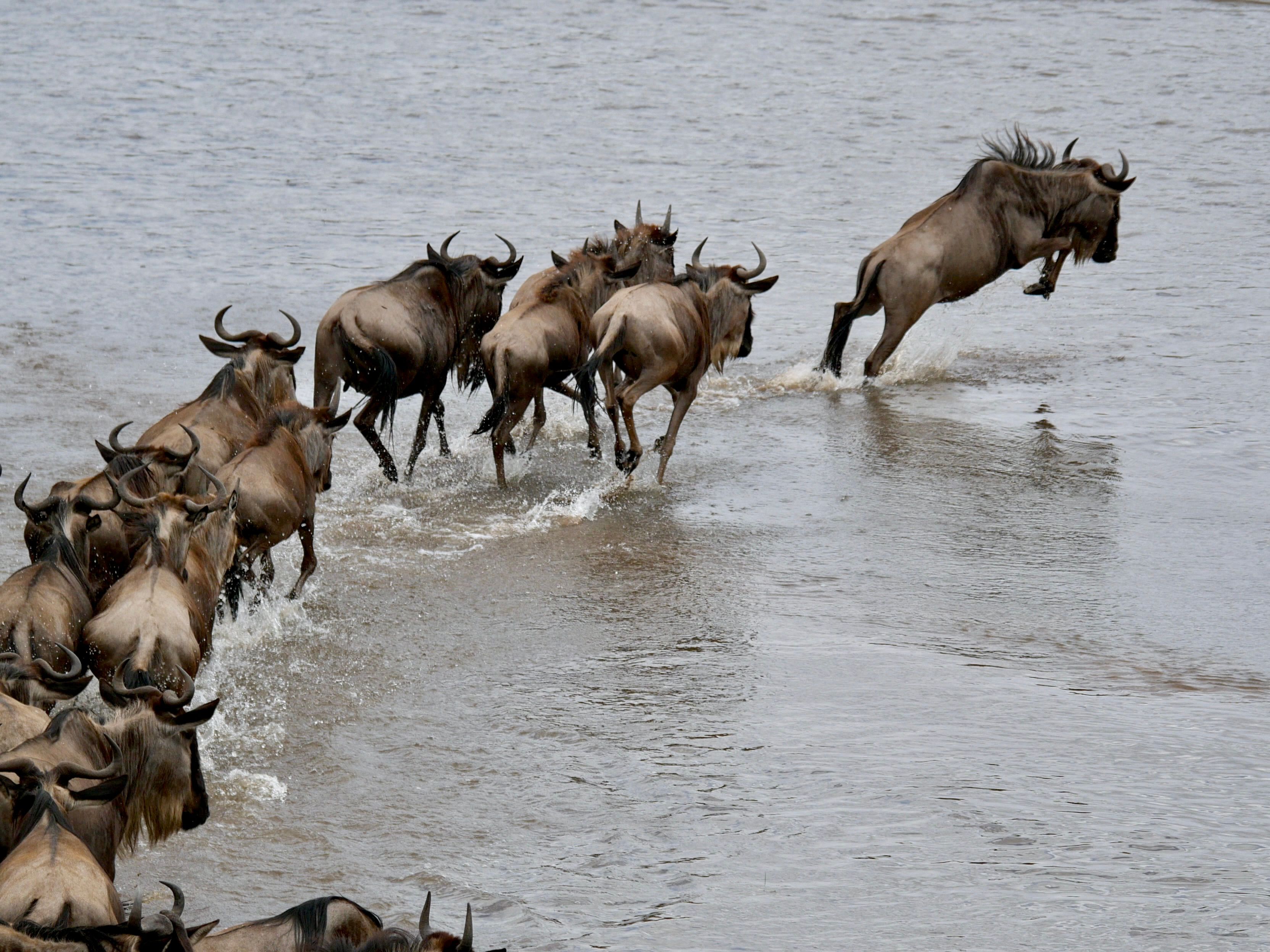
Highlights: The river crossing events — when vast columns of animals plunge into the Mara River in the face of waiting Nile crocodiles — are genuinely unpredictable. No operator can guarantee a crossing, but the right camp location and a patient, experienced guide dramatically improve the odds. Over 1.5 million wildebeest participate in the annual cycle, with peak crossing activity typically occurring between July and October. — Source: Kenya Wildlife Service, 2024
Best For: Returning safari travelers, wildlife photographers, and bucket-list seekers visiting July–October.
Price Range: From $600–$1,200+ per person per day (camp premiums apply during peak season).
Pros: World's greatest wildlife spectacle; outstanding predator activity; the kind of scene you cannot unsee.
Cons: River crossings cannot be guaranteed; peak-season camp prices are Kenya's highest; must book 6–9 months ahead.
Verdict: Best for Wildlife Spectacle ⭐⭐⭐⭐⭐
3. Amboseli Safari Tour — Best for Elephant Encounters
The Amboseli National Park Safari is Kenya's finest destination for elephant photography and close-range encounters with free-roaming elephant herds against the iconic backdrop of Mount Kilimanjaro. Amboseli's elephants are among the most studied populations in the world — habituated to vehicles and genuinely unbothered by close observation.
Overview: Beyond the Plains' Amboseli National Park safari combines the park's legendary elephant viewing with sundowner swamps, open grasslands, and the dramatic visual of Africa's highest peak rising above the plains on a clear morning.
What's Included: Accommodation at lodges on the Amboseli ecosystem boundary, full-board meals, private 4×4 game drives, park entrance fees.
Highlights: Amboseli hosts over 1,600 documented elephants across its ecosystem — Source: Amboseli Trust for Elephants, 2023. Matriarchs walk within metres of vehicles; calves play in the foreground while Kilimanjaro fills the frame. For photographers, Amboseli at dawn with elephant silhouettes against snow-capped peaks produces images that define African wildlife photography.
Best For: Wildlife photographers, families with older children, first-time visitors who want predictable, high-quality big game sightings.
Price Range: From $350–$700 per person per day.
Pros: The world's best elephant encounters; Kilimanjaro backdrop unmatched anywhere; smaller park means concentrated game near water.
Cons: Amboseli is small — predator diversity is lower than the Mara; dust in the dry season can be significant.
Verdict: Best for Elephant Encounters ⭐⭐⭐⭐½
4. Samburu Game Reserve Safari — Best Off-the-Beaten-Path Safari
The Samburu Game Reserve safari is Kenya's finest northern circuit experience, delivering the rare Special Five species alongside dramatic riverine landscapes that look nothing like the famous Mara plains. Samburu is where discerning repeat visitors graduate to.
Overview: Samburu Game Reserve sits in Kenya's arid north — a completely different ecosystem from southern parks. Beyond the Plains' Samburu itinerary uses small-capacity camps on the Ewaso Ng'iro River for direct wildlife viewing, with game drives accessing areas beyond the main reserve through conservancy networks.
What's Included: Private vehicle, full-board riverside camp accommodation, game drives within the reserve and community conservancies, all park fees.
Highlights: The Special Five — Reticulated giraffe, Grevy's zebra, Beisa oryx, Gerenuk, and Somali ostrich — are endemic to northern Kenya and found nowhere else in the world. Elephant and lion populations are strong, and leopard sightings around riverside camps are frequent, particularly at dawn. The untouched, remote character of Samburu is precisely its strength.
Best For: Repeat safari visitors, travelers combining the Mara with an ecological contrast, wildlife enthusiasts focused on rare and endemic species.
Price Range: From $450–$900 per person per day.
Pros: Far fewer visitors than the Mara; genuinely unique endemic species; extraordinary riverside camp atmosphere.
Cons: Getting to Samburu requires a 6-hour drive or charter flight from Nairobi; fewer predator sightings than the Maasai Mara.
Verdict: Best Off-the-Beaten-Path ⭐⭐⭐⭐½
5. Ol Pejeta Conservancy Tour — Best for Rhino Conservation
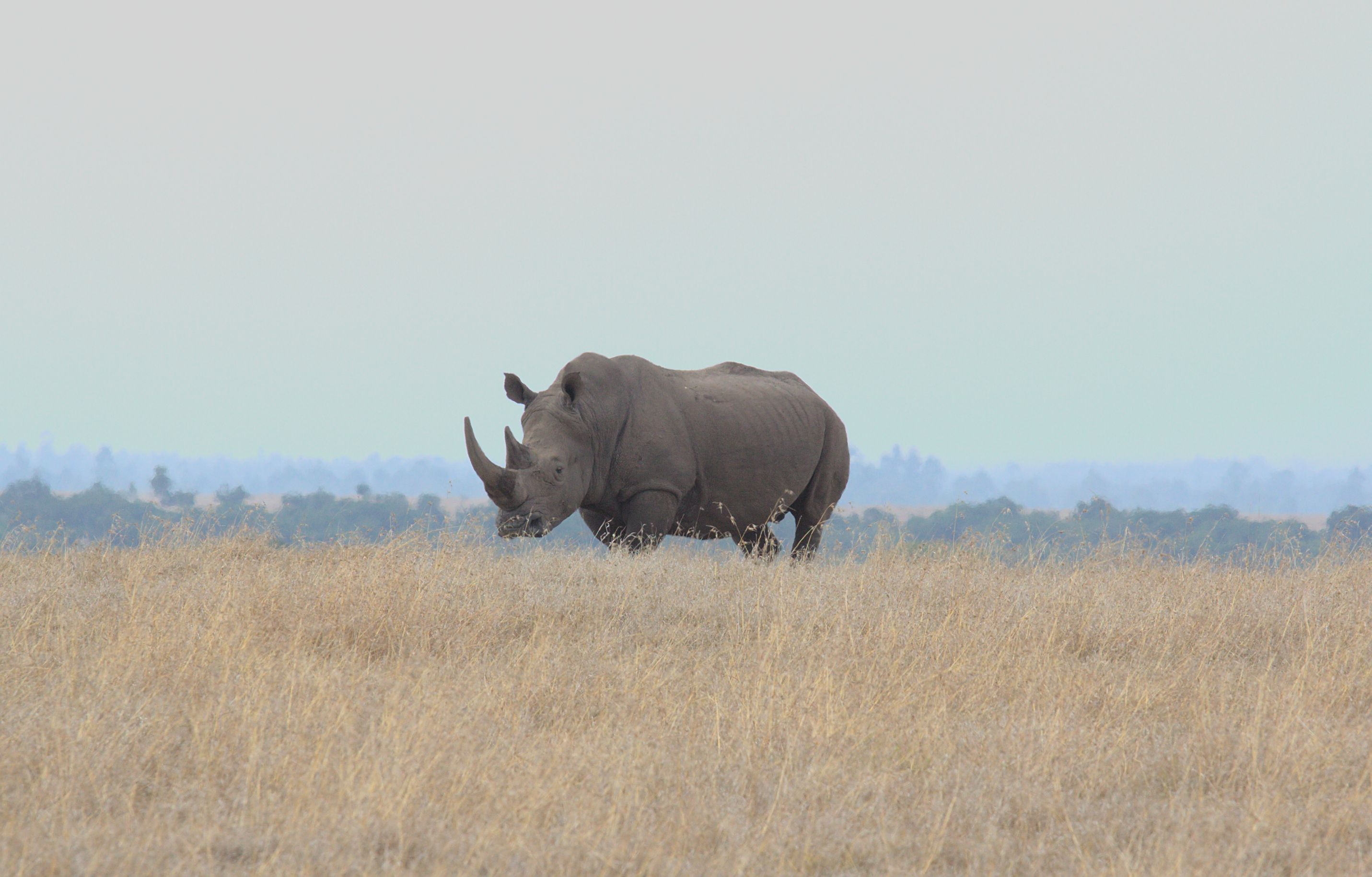
The Ol Pejeta Conservancy Tour delivers the highest probability of seeing both black and white rhino in Kenya, alongside the Big Five and Africa's most compelling wildlife conservation story. Ol Pejeta is home to the last two northern white rhinos on Earth.
Overview: Beyond the Plains' Ol Pejeta Conservancy Tour centres on this 90,000-acre private conservancy in the Laikipia Plateau — Kenya's largest black rhino sanctuary and a Big Five destination with significantly smaller visitor numbers than the Mara.
What's Included: Private vehicle, conservancy entrance fees, full-board accommodation at camps within or adjacent to Ol Pejeta, guided game drives, optional chimpanzee sanctuary visit.
Highlights: Ol Pejeta harbours over 100 black rhino — the largest population in East Africa. — Source: Ol Pejeta Conservancy, 2024. The experience of tracking black rhino on foot with a ranger guide is unlike any vehicle-based game drive. The Sweetwaters Chimpanzee Sanctuary — a refuge for orphaned chimps rescued from Central Africa — is a bonus not available anywhere else in Kenya.
Best For: Conservation-minded travelers, repeat visitors seeking unique experiences, families wanting diverse activities beyond standard game drives.
Price Range: From $300–$650 per person per day.
Pros: Best rhino viewing in Kenya; conservation story that gives your visit tangible meaning; excellent Big Five diversity.
Cons: Private conservancy entrance fees are premium; less dramatic landscape than the Mara; leopard sightings require patience.
Verdict: Best for Rhino Conservation ⭐⭐⭐⭐⭐
6. Lake Nakuru Safari Tour — Best for Birdwatching
The Lake Nakuru National Park safari is Kenya's premier birdwatching destination, combining a designated rhino sanctuary with a Rift Valley soda lake ecosystem that turns pink with flamingo populations numbering in the hundreds of thousands.
Overview: Lake Nakuru National Park is most commonly combined with Ol Pejeta and the Maasai Mara in a multi-park itinerary. Beyond the Plains' Nakuru inclusion pairs the park's famous flamingo spectacle with consistently good leopard and lion sightings in the forested areas above the lake.
What's Included: Accommodation at lodges with Rift Valley views, park entrance fees, full-board meals, private game drive vehicle.
Highlights: Lake Nakuru holds over 450 bird species — making it one of the most species-rich birding sites in Africa. — Source: BirdLife International, 2023. White rhino were successfully reintroduced and the population has stabilised. Rothschild's giraffe (one of Africa's rarest subspecies) are also resident in the park, making it genuinely unique.
Best For: Birdwatchers, travelers building multi-park Kenya itineraries, those wanting Big Five access outside the Mara.
Price Range: From $250–$500 per person per day.
Pros: Extraordinary bird diversity; good rhino viewing; excellent leopard habitat in the forested hillsides; lower cost than the Mara.
Cons: Flamingo numbers fluctuate with water levels — not always the "pink lake" of photographs; best treated as a 1–2 night stop in a longer itinerary.
Verdict: Best for Birdwatching ⭐⭐⭐⭐
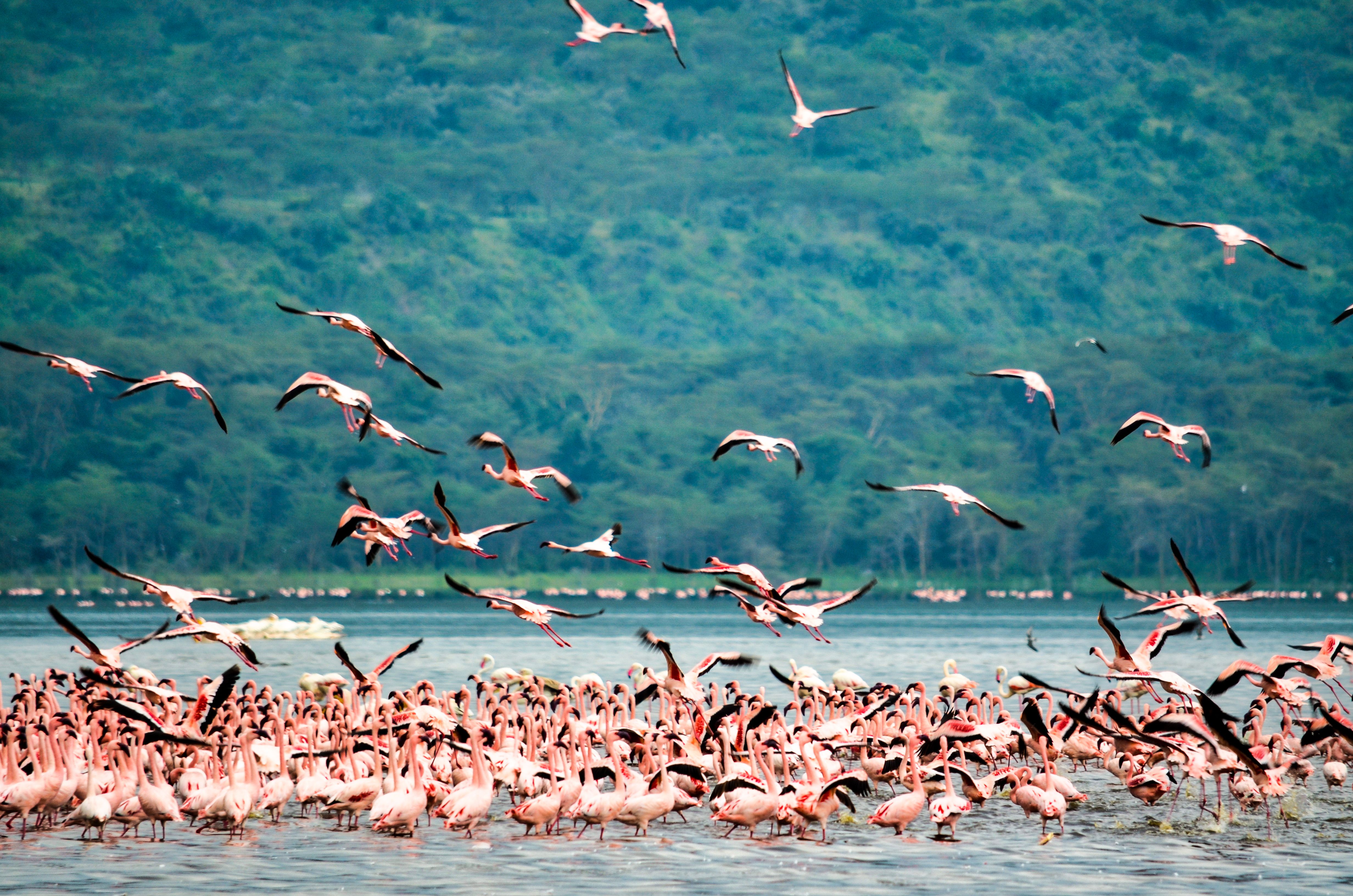
A stunning flock of flamingos at Lake Nakuru in Kenya, showcasing vibrant plumage against lush greenery.
7. Tsavo East Safari Package — Best Value Big-Game Safari
The Tsavo East National Park safari is Kenya's best-value Big Five destination — a vast, red-dusted wilderness covering over 13,700 square kilometres that delivers serious wildlife sightings at significantly lower visitor numbers and lodge prices than the Maasai Mara.
Overview: Beyond the Plains' Tsavo East National Park Safari Package accesses this massive southern Kenya park via the Nairobi–Mombasa corridor, making it logistically ideal for travelers arriving in Nairobi and departing from Mombasa, or for adding a coastal extension to a standard Kenya safari.
What's Included: Private vehicle, full-board lodge or tented camp accommodation, game drives, park entrance fees, option of Diani Beach coastal extension.
Highlights: Tsavo East's "red elephants" — a population of some 13,000 elephants that turn ochre from rolling in iron-rich laterite soil — are one of Kenya's great wildlife signatures. The Galana and Tiva Rivers attract large concentrations of wildlife year-round. The sense of raw, unvisited wilderness in Tsavo is something the more popular northern parks simply cannot replicate.
Best For: Value-conscious travelers, those combining a safari with a Diani Beach or Mombasa coastal extension, visitors who prefer fewer crowds.
Price Range: From $200–$450 per person per day.
Pros: Excellent value; iconic red elephant population; superb sense of wilderness; easy Mombasa/coast combination.
Cons: Dense bush vegetation makes some game viewing harder than open Mara plains; road quality can be variable in wet season.
Verdict: Best Value Big-Game Safari ⭐⭐⭐⭐
8. Kenya & Tanzania Safari Package — Best Two-Country Combination
The Kenya and Tanzania safari package is the most comprehensive East African wildlife experience available, combining the Maasai Mara with the Serengeti ecosystem and the Ngorongoro Crater in a single seamlessly connected itinerary. This is the East African safari that leaves travelers with nothing left on the wildlife bucket list.
Overview: Beyond the Plains' Kenya & Tanzania Safari Packages typically run 10–14 days, crossing the border by road or domestic charter to access Tanzania's iconic northern circuit from a Kenya base. The itinerary is fully designed in-house with matched accommodation quality on both sides of the border.
What's Included: Cross-border logistics, accommodation in Kenya and Tanzania, all game drives, park and crater fees on both circuits, full-board meals, private vehicle throughout.
Highlights: The combination of the Mara's Migration crossings with the Serengeti's calving season (February) and the Ngorongoro Crater's year-round Big Five concentration creates a nearly 12-month window of world-class opportunity. Our 10-day Kenya–Tanzania safari itinerary guide breaks down exactly how to structure the route.
Best For: Travelers with 10+ days, those visiting once and wanting a comprehensive East African experience, wildlife photographers.
Price Range: From $500–$1,100 per person per day.
Pros: Covers both the Mara and Serengeti ecosystems; genuine "nothing left unseen" breadth; Beyond the Plains manages both sides in-house.
Cons: Cross-border logistics add complexity; 10+ days required; Tanzania's northern circuit parks charge higher entrance fees.
Verdict: Best Two-Country Combination ⭐⭐⭐⭐⭐
9. Luxury Kenya Fly-In Safari — Best Luxury Experience
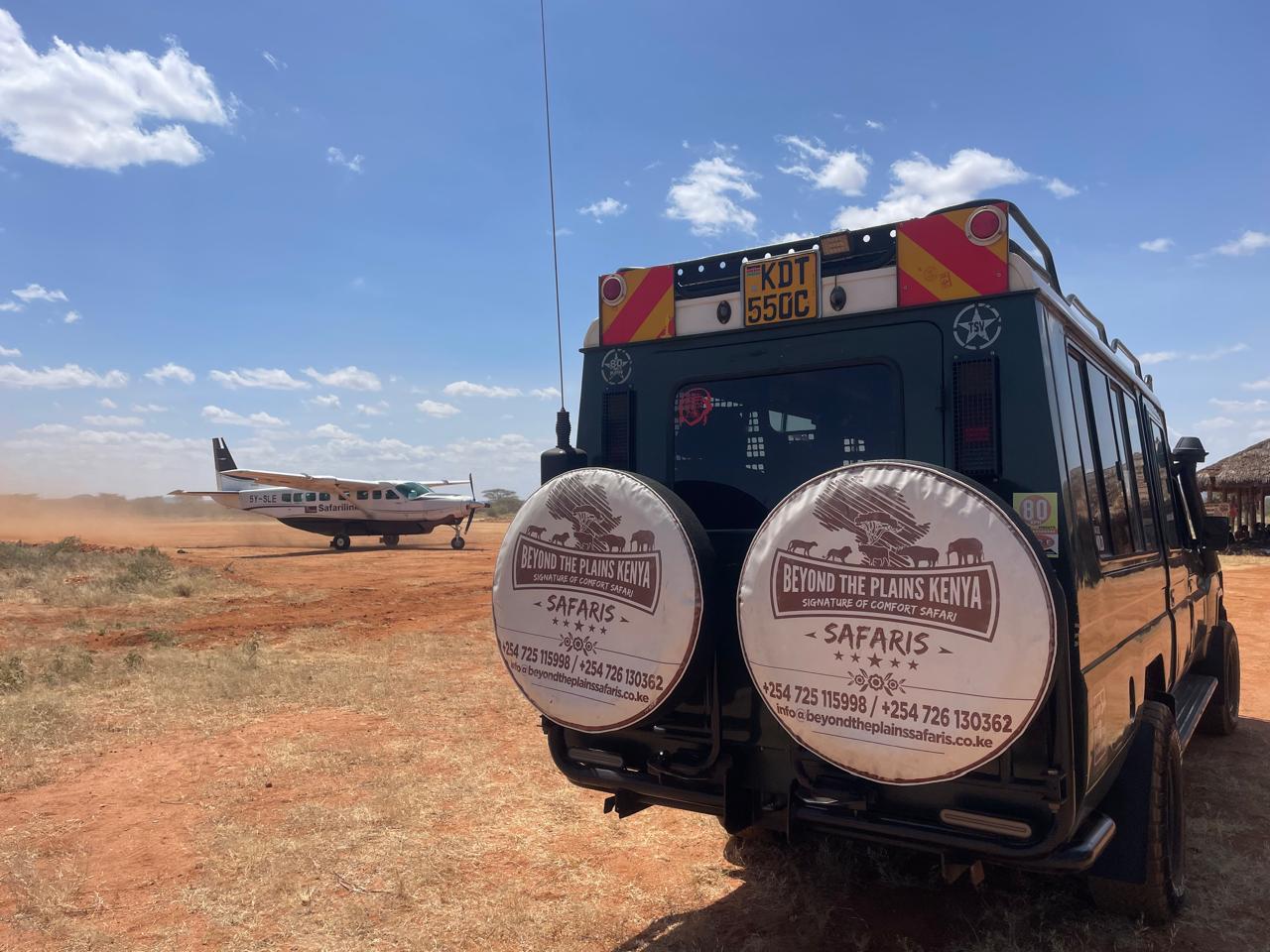
A Kenya fly-in safari is the most time-efficient and exclusive method of accessing multiple national parks, using light aircraft charter transfers from Nairobi's Wilson Airport to bush airstrips within the Maasai Mara, Samburu, or Amboseli. Eliminating road transfers means every day is a game drive day.
Overview: Beyond the Plains' luxury fly-in itineraries pair charter flight access with premium tented camps and lodges — ultra-luxury properties with private plunge pools, butler service, and gourmet bush dining. For the full breakdown of airstrip logistics and camp selection, read our guide to Luxury Kenya Fly-In Safaris.
What's Included: Charter flight transfers from Wilson Airport, ultra-premium lodge or camp accommodation, private vehicle and dedicated guide, fully bespoke programming from arrival to departure.
Highlights: The road from Nairobi to the Maasai Mara takes 5–7 hours. A charter flight takes 45 minutes. For travelers with 5–7 nights in Kenya, that difference translates to up to 12 additional game drive hours — a meaningful proportion of total field time. For senior travelers specifically, the fly-in format eliminates the physical demand of long road transfers. Our Kenya Safari for Seniors guide covers this in detail.
Best For: Luxury travelers, senior visitors, honeymooners, and anyone on a tight schedule who refuses to compromise on experience quality.
Price Range: From $800–$2,000+ per person per day.
Pros: Maximum time in the field; no long road transfers; ultra-luxury accommodation; genuine privacy and exclusivity.
Cons: Charter costs add $400–$800 per person per flight segment; requires advance booking; not suited to travelers on standard budgets.
Verdict: Best Luxury Experience ⭐⭐⭐⭐⭐
10. Honeymoon Safari Kenya — Best Romantic Safari
A Kenya honeymoon safari combines intimate tented camps, private bush dining, sundowner setups, and genuine wilderness in a way that packaged resort holidays simply cannot replicate. The privacy and drama of a private safari camp on the African plains is a profoundly romantic environment.
Overview: Beyond the Plains' honeymoon safaris are built around private camp access, couples-specific activities (hot air balloon over the Mara, private bush picnics, candlelit dinner in the bush), and a coastal Diani Beach extension for recovery time after the adventure. Our Honeymoon Safari Kenya guide walks through every decision from camp selection to romantic extras in detail.
What's Included: Intimate tented camp accommodation (often private or semi-private configurations), private sundowner setups, couples spa at select properties, private game vehicle, optional hot air balloon flight, optional beach extension.
Highlights: Kenya's private conservancies surrounding the Mara — where camp densities are legally capped and game drives operate without vehicle congestion — provide an intimacy impossible in busier destinations. Evening sounds, firefly constellations, and lion roaring at midnight are experiences that require no effort. They simply happen.
Best For: Honeymooners, couples celebrating milestones, and anyone who wants romance embedded in the wilderness experience rather than bolted on as an afterthought.
Price Range: From $600–$1,500+ per person per day.
Pros: Utterly unique romantic environment; genuinely private camps available; beach extension creates a complete honeymoon arc.
Cons: Honeymoon-specific extras (balloon, private dining) are charged as supplements and add $400–$600 per couple.
Verdict: Best Romantic Safari ⭐⭐⭐⭐⭐
11. Family Safari Kenya — Best Safari for Families with Children
A Kenya family safari is an age-appropriate wildlife adventure that balances children's engagement with the genuine wildlife experience adults came for — through flexible pacing, child-friendly camps, and guides experienced in communicating the bush to younger travelers.
Overview: Beyond the Plains' family safaris avoid the two most common mistakes in family travel: selecting accommodation that prioritises facilities over wildlife access, and choosing parks with too much driving between sightings. Amboseli and the Maasai Mara — where elephant herds and big cats are reliably visible without long waits — are the recommended combination for families.
What's Included: Child-friendly lodge selection with interconnecting room configurations, age-appropriate wildlife briefings from guides, flexible pacing, cultural Maasai village visits (appropriate for children 8+), full-board accommodation.
Highlights: Seeing a lion through your child's eyes for the first time is an experience that redefines the family holiday. Kenya's parks are genuinely safe for children in safari vehicles — game drives require no physical exertion and lodges offer swimming pools for midday downtime. For a complete breakdown of the cultural dimension, our guide to what actually happens at a Maasai village visit sets honest expectations for families.
Best For: Families with children aged 6 and above; multi-generational travel groups; parents who want genuine adventure without compromising safety.
Price Range: From $350–$800 per person per day. Children aged 2–11 often receive significant discounts at lodge properties.
Pros: Both Amboseli and the Mara are excellent for children; no physical demands; lodge pools provide midday relief; children's safari programming available at select camps.
Cons: Very young children (under 5) struggle with early-morning game drive schedules; some lodges have minimum age requirements for game drives.
Verdict: Best Family Safari ⭐⭐⭐⭐½
12. 📸 Photography Safari Kenya — Best Safari for Photographers
A Kenya photography safari is a purpose-built wildlife experience structured around optimal light, extended field hours, guide positioning expertise, and strategic destination sequencing for photographic output. It is designed around the camera, not the clock.
Overview: Beyond the Plains' photography safaris extend standard game drive hours into golden-light windows at dawn and dusk, prioritise destinations with consistent predator activity (Maasai Mara and Samburu), and pair travelers with guides trained in wildlife behaviour patterns who can anticipate action before it occurs.
What's Included: Extended morning and evening game drives, specialist guide with wildlife behaviour expertise, vehicle positioning for optimal sightlines, low-season options for best light conditions, optional private conservancy access for uncrowded sightings.
Highlights: Kenya's Maasai Mara in the dry season provides the extraordinary combination of open grassland sightlines, concentrated predator activity, and golden-hour light that produces the images defining African wildlife photography. Samburu adds an entirely different visual palette — acacia-framed riverbeds, rust-red soil, and northern endemic species photographed by far fewer visitors.
Best For: Amateur and professional wildlife photographers, travel content creators, travelers who want to return home with publication-quality images.
Price Range: From $500–$1,000+ per person per day.
Pros: Extended drive hours during golden light; specialist guide knowledge of behaviour patterns; Mara and Samburu both deliver outstanding photographic subjects.
Cons: Photography safaris genuinely benefit from private vehicles — sharing a vehicle with non-photographers creates conflict. Private vehicle booking is essential.
Verdict: Best Photography Safari ⭐⭐⭐⭐½
13. 🌿 East Africa Multi-Park Safari — Best Comprehensive East Africa Tour
The East Africa Safari is Beyond the Plains Safaris' most comprehensive offering, covering Kenya's flagship destinations alongside Tanzania's northern circuit across 10–14 days for travelers who want the complete picture of East African wildlife in a single journey.
Overview: Beyond the Plains' East Africa Tours and Safaris itinerary builds on the Kenya & Tanzania combination by layering in less-visited destinations — Laikipia, Samburu, the Aberdare highlands — alongside the flagship parks. The result is an itinerary that covers Kenya's ecosystem range comprehensively before crossing into Tanzania.
What's Included: All cross-border logistics, accommodation across Kenya and Tanzania, private vehicle and guides, all national park fees, full-board meals throughout.
Highlights: No two days on this itinerary look alike — from tracking lion in the Mara one morning to photographing Kilimanjaro-backed elephants from Amboseli the next, to watching a cheetah coalition hunt on the Serengeti plains. The Aberdare National Park tree lodge experience — watching elephant and buffalo visit floodlit waterholes at night — is a genuinely different format that adds enormous variety.
Best For: First-time Africa visitors wanting the most comprehensive experience; travelers with 12–14 days; anniversary and milestone trip groups.
Price Range: From $500–$1,100 per person per day.
Pros: Nothing left unseen on a single journey; ecosystem variety is unmatched; Beyond the Plains manages both countries end-to-end.
Cons: 14 days is a significant commitment; energy management is important — rest days should be built in.
Verdict: Best Comprehensive East Africa Tour ⭐⭐⭐⭐⭐
14. 🦁 Maasai Mara & Serengeti Safari Tour — Best Cross-Border Migration Safari
The Maasai Mara and Serengeti Safari Tour is the ultimate Great Migration experience, tracking the wildebeest herds across both their Kenyan and Tanzanian range in a single continuous itinerary timed around seasonal herd movement. Following the migration across two countries is the gold standard for wildlife safari travel.
Overview: Beyond the Plains' Mara & Serengeti Safari Tour Package aligns travel dates with the migration calendar — typically beginning in Tanzania's Serengeti with the calving season (January–March) or the northern Migration crossing (July–October in the Mara) — and designs the route to intercept the herd at peak density.
What's Included: Cross-border logistics, matched accommodation in both ecosystems, private vehicle and local expert guides on both sides of the border, all park and conservancy fees, full-board meals.
Highlights: Witnessing river crossings in the Mara and calving season on the Serengeti within the same trip is an experience that almost no single-country itinerary can replicate. The predator density that follows the herds — lion, cheetah, leopard, hyena in extraordinary numbers — creates game viewing conditions that are genuinely exceptional. Over 2 million animals participate in this continuous annual movement. — Source: Serengeti National Park Authority, 2023
Best For: Wildlife enthusiasts with 10–14 days who want to follow the migration across its full range; returning East Africa visitors planning their second major trip.
Price Range: From $550–$1,200 per person per day.
Pros: Follows the migration across both ecosystems; outstanding predator density year-round; Beyond the Plains handles all cross-border logistics.
Cons: Requires 6–9 months advance booking for peak-season windows; premium camp pricing at migration peak is Kenya's highest.
Verdict: Best Cross-Border Migration Safari ⭐⭐⭐⭐⭐
15. 🌴 14 Days Ol Pejeta, Lake Nakuru, Maasai Mara, Amboseli & Zanzibar — Best Epic Safari & Beach Combination
The 14-day Ol Pejeta, Lake Nakuru, Maasai Mara, Amboseli, and Zanzibar combination is Beyond the Plains' most celebrated extended itinerary — a complete two-week journey through Kenya's greatest wildlife destinations followed by a Zanzibar beach extension that provides the perfect conclusion to an extraordinary trip.
Overview: The 14 Days Ol Pejeta, Lake Nakuru, Maasai Mara & Zanzibar Safari covers Kenya's northern highlands, the Rift Valley, the Maasai Mara, Amboseli, and concludes with 3–4 nights on Zanzibar Island — a classic "bush and beach" conclusion that provides genuine recovery time after 10 days in the field.
What's Included: All ground transfers, accommodation across all destinations, full-board meals on safari, beach accommodation on bed-and-breakfast basis in Zanzibar, all park and conservancy fees, private vehicle throughout the Kenya safari circuit.
Highlights: The sequencing of this itinerary is deliberate — rhino tracking at Ol Pejeta, flamingos at Nakuru, the Big Five in the Mara, elephants with Kilimanjaro in Amboseli, then white sand and Indian Ocean snorkeling in Zanzibar. Each destination earns its place on the route. Zanzibar's Stone Town — a UNESCO World Heritage Site — is an extraordinary cultural finale to a wildlife-focused journey.
Best For: Travelers with 14 days and a safari-plus-beach ambition; families wanting maximum variety; luxury travelers wanting the full East Africa experience in one itinerary.
Price Range: From $450–$1,000 per person per day (varies significantly by accommodation tier).
Pros: The most comprehensive single Kenya itinerary available; bush-to-beach arc provides a complete travel experience; every day is different.
Cons: Fourteen days is a significant commitment; requires careful pacing — the itinerary should not feel rushed.
Verdict: Best Epic Safari & Beach Combination ⭐⭐⭐⭐⭐
Kenya Safari Tours Compared: Quick-Reference Table
The table below summarises all 15 tours across the dimensions that matter most for booking decisions.
| # | Tour | Duration | Parks / Destinations | Accommodation Type | Best For | Price (pp/day) |
|---|---|---|---|---|---|---|
| 1 | Maasai Mara Safari | 3–7 days | Maasai Mara | Lodge / Tented Camp | First-timers, Couples | $400–$800 |
| 2 | Great Migration Safari | 4–7 days | Maasai Mara (conservancies) | Luxury Migration Camp | Wildlife Enthusiasts | $600–$1,200+ |
| 3 | Amboseli Safari | 3–5 days | Amboseli NP | Lodge (Kilimanjaro views) | Photographers, Families | $350–$700 |
| 4 | Samburu Safari | 3–5 days | Samburu Game Reserve | Riverside Tented Camp | Repeat Visitors | $450–$900 |
| 5 | Ol Pejeta Conservancy Tour | 3–5 days | Ol Pejeta | Conservancy Lodge | Conservation Travelers | $300–$650 |
| 6 | Lake Nakuru Safari | 2–3 days | Lake Nakuru NP | Rift Valley Lodge | Birdwatchers | $250–$500 |
| 7 | Tsavo East Safari | 3–5 days | Tsavo East NP | Lodge / Tented Camp | Budget / Value Seekers | $200–$450 |
| 8 | Kenya & Tanzania Package | 8–12 days | Mara + Serengeti + Ngorongoro | Multi-country Lodge/Camp | Comprehensive Travelers | $500–$1,100 |
| 9 | Luxury Fly-In Safari | 5–10 days | Mara, Samburu or Amboseli | Ultra-Luxury Tented Camp | Luxury, Seniors | $800–$2,000+ |
| 10 | Honeymoon Safari | 5–10 days | Mara, Amboseli + Diani Beach | Intimate Private Camp | Couples, Honeymooners | $600–$1,500+ |
| 11 | Family Safari | 5–10 days | Amboseli + Maasai Mara | Child-Friendly Lodge | Families (6+ yrs) | $350–$800 |
| 12 | Photography Safari | 5–10 days | Maasai Mara + Samburu | Field-Positioned Camp | Photographers | $500–$1,000+ |
| 13 | East Africa Multi-Park Tour | 10–14 days | Kenya + Tanzania Full Circuit | Multi-Lodge (both countries) | Comprehensive East Africa | $500–$1,100 |
| 14 | Mara & Serengeti Migration Safari | 10–14 days | Maasai Mara + Serengeti | Luxury Migration Camps | Migration Chasers | $550–$1,200 |
| 15 | 14-Day Safari & Beach | 14 days | Ol Pejeta, Nakuru, Mara, Amboseli, Zanzibar | Multi-tier + Beach Resort | Best-of-Kenya Travelers | $450–$1,000 |
How to Choose the Right Kenya Safari Tour for You
Choosing the right Kenya safari tour requires matching your budget, travel style, group composition, and seasonal timing to an itinerary built around those specific priorities — not simply selecting the most popular or lowest-priced option.
How Much Does a Kenya Safari Tour Cost in 2026?
Kenya safari tour costs vary significantly by tier: budget group safaris start from approximately $150–$200 per person per day, mid-range private tours average $300–$600, and luxury or private fly-in safaris can exceed $1,500 per person per day. These figures cover accommodation, game drives, park fees, and full-board meals — they typically exclude international flights, visa fees, personal tips, and travel insurance.
The single biggest cost driver in any Kenya safari is accommodation. The difference between a mid-range tented camp and an ultra-luxury private camp can be $500+ per person per night. Both provide access to the same wildlife. The distinction is entirely comfort, exclusivity, and service level. For a detailed cost breakdown, read our Kenya safari cost and planning guide.
What Is the Best Time of Year to Go on Safari in Kenya?
The best time to visit Kenya for a safari depends on which parks you plan to visit and whether the Great Migration is a priority. Kenya's dry seasons — January to March and June to October — deliver the best game viewing across all major parks. Vegetation is lower, wildlife congregates around permanent water sources, and road conditions are more predictable. — Source: Kenya Meteorological Department, 2024
For the Great Wildebeest Migration river crossings specifically, July to October in the Maasai Mara is the target window. Kenya's green season (November–May) offers dramatically lower prices, excellent birdwatching, and noticeably fewer tourists — with good general game viewing even if the landscape is denser.
Private vs. Group Safari: Which Is Right for You?
Private Kenya safari tours offer customised itineraries, dedicated vehicles, and flexible scheduling, while group tours — typically capped at 6–8 passengers — provide a social experience at a significantly lower per-person cost. The right choice depends on who you are travelling with, your budget, and how much scheduling flexibility matters to your experience.
Private tours make clear sense if: you are travelling as a couple or family, you have specific wildlife priorities (e.g., a photographer wanting to stay at a sighting), or you want real-time itinerary adjustment. Group tours suit solo travelers wanting to share costs and meet other safari enthusiasts with a fixed budget.
How Do You Choose a Reputable Kenya Safari Operator?
Reputable Kenya safari operators are registered with the Kenya Tourism Board (KTB) and the Kenya Association of Tour Operators (KATO) — verifying membership in both bodies is a key quality and safety indicator for travelers. Beyond regulatory registration, look for independently verified reviews on TripAdvisor, SafariBookings, and Google; transparent itemised pricing with no hidden fees at park gates; and guide credentials you can verify before paying a deposit.
Our comprehensive guide to the Best Safari Operators in Kenya covers the full operator vetting process in detail. For US-based travelers, our Kenya safari packages from the US guide includes specific booking considerations for North American visitors.
What to Expect on a Kenya Safari: Practical Planning Tips
A Kenya safari day typically begins before sunrise with an early morning game drive (6:00–10:00 AM), returns to camp for brunch and a midday rest, then resumes with an afternoon/evening drive (4:00–7:00 PM), finishing with dinner at camp. Understanding the rhythm of a safari day helps travelers arrive with calibrated expectations and the right mindset for wildlife observation.
Visa and Entry Requirements for Kenya
Kenya requires most international visitors to obtain a visa or Electronic Travel Authorization (ETA) before arrival. The Kenya ETA is available online and costs $32.50 USD for most nationalities. Processing takes 24–72 hours and approval should be secured before departure. Tanzania requires a separate visa for travelers on cross-border itineraries. For current, detailed entry requirements specific to your nationality, see the Kenya Visa Requirements page.
Health and Safety Precautions
Malaria prophylaxis is strongly recommended for all travelers visiting Kenya's national parks and coastal areas. Consult a travel medicine specialist 6–8 weeks before departure for appropriate antimalarial medication. Yellow fever vaccination is required for travelers arriving from yellow fever endemic countries and strongly recommended for all visitors. Standard travel vaccines (hepatitis A, typhoid, tetanus) are also advised. Comprehensive travel insurance with medical evacuation coverage is non-negotiable for any safari trip — this is not optional for remote-area travel. For a full regional safety overview, read our guide on Is Kenya Safe for Tourists.
What to Pack for a Kenya Safari
A well-packed safari bag is lighter than most travelers expect. Essential items include: neutral-coloured clothing (khaki, olive, beige — avoid blue and black, which attract insects), a wide-brim hat, SPF 50+ sunscreen, insect repellent with DEET, quality binoculars (8×42 or 10×42 recommended), and a camera with a telephoto lens. Safari vehicles can be cold in the early morning — a lightweight fleece layer is essential regardless of season or destination.
Tipping Etiquette on a Kenya Safari
Tipping is not included in any Kenya safari package and is the standard way to acknowledge exceptional service. Commonly accepted guidelines: safari guide $15–$25 USD per vehicle per day; camp staff $5–$10 USD per guest per day (contributed to a communal staff box). Treat these as mandatory budget items — tips represent a significant portion of field staff income and are expected, not optional.
Are Kenya Safari Tours Safe for Solo Female Travelers?
Kenya's national parks and private safari camps are safe environments for solo female travelers, with guide-escorted activities, secure camp perimeters, and professional on-ground support throughout. The security risks that exist in Nairobi's urban environment are essentially absent within Kenya's safari circuit. Beyond the Plains Safaris regularly hosts solo female travelers — many of whom become the most repeat-loyal clients in the portfolio. Our Is Kenya Safe for Tourists guide provides comprehensive region-by-region context.
Conclusion: Which Kenya Safari Tour Should You Book?
The best Kenya safari tour is the one that matches your specific goals, timeline, and budget with an itinerary designed around those priorities — not a generic package built for volume. Here is the clearest decision framework after reading this guide:
Best Overall Pick: The Maasai Mara Safari Tour is the non-negotiable foundation of any Kenya safari. If you have 5–7 days, this is where every dollar should go. Nothing in Kenya — or arguably Africa — beats a well-guided week in the Mara.
Best Value Pick: The Tsavo East Safari Package delivers serious Big Five wildlife experiences at Kenya's most accessible price point. It is the right answer if budget is the primary constraint and you want a genuine safari, not a compromised one.
Best Luxury Pick: The Luxury Fly-In Safari — configured to your specific dates and preferences through Beyond the Plains' no-obligation consultation — delivers the maximum wildlife experience in the minimum time at the highest comfort level Kenya offers. Nothing else compares for travelers who want everything.
Kenya's safari circuit is not a commodity. The difference between a mediocre safari and a defining one is not the national park you visit — it is the guide sitting next to you, the camp you sleep in, and the operator who designed the route. Beyond the Plains Safaris has spent over 15 years building the relationships, expertise, and standards that make those differences consistently positive. The wildlife is already there. Our job is to make sure you find it.
Get your free, fully itemised Kenya safari quote → No pressure. No generic pricing. Just an expert itinerary built around your trip.
Browse all Kenya safari packages | Schedule a planning consultation
Frequently Asked Questions About Kenya Safari Tours
What is the best time of year to go on safari in Kenya? The best game viewing across all parks occurs during Kenya's dry seasons: January–March and June–October. The Great Wildebeest Migration river crossings happen specifically July–October in the Maasai Mara. — Source: Kenya Wildlife Service, 2024
How much does a Kenya safari tour cost in 2026? Kenya safari costs range from approximately $150–$200 per person per day (budget group safaris) to $1,500+ per day (luxury fly-in private safaris). Mid-range private safaris typically cost $300–$600 per person per day, including accommodation, meals, game drives, and park fees. Flights, tips, and visas are excluded from all pricing tiers.
Which Kenya safari tours are best for families with children? Amboseli (year-round elephant viewing, manageable park size) and the Maasai Mara (big predator concentration, excellent lodge facilities) are the strongest family destinations. Minimum age requirements for game drives vary by property — confirm at booking. Children 6 and above are typically well-suited to the safari format.
What are the top national parks to visit on a Kenya safari? The Maasai Mara National Reserve, Amboseli National Park, Tsavo East National Park, Samburu Game Reserve, Lake Nakuru National Park, and Ol Pejeta Conservancy represent the core of Kenya's safari circuit. Each delivers a distinct ecosystem and wildlife profile.
Which Kenya safari packages include the Great Wildebeest Migration? Any Maasai Mara package operated between July and October includes the potential to witness the Migration. The dedicated Great Migration Safari and Mara & Serengeti Tour are specifically designed around migration timing, positioning, and extended drive hours.
What is the difference between a private and group safari tour in Kenya? Private Kenya safari tours provide dedicated vehicles, customised itineraries, and scheduling flexibility. Group tours share costs between up to 6–8 passengers, delivering a significantly lower per-person price. Private is recommended for families, couples, and photographers. Group tours work well for solo travelers and those prioritising value.
How do I verify a Kenya safari operator is legitimate? Check for KATO registration, Tourism Regulatory Authority licensing, and independent reviews on TripAdvisor, SafariBookings, and Google. Ask for an itemised quote — operators who refuse to itemise costs or pressure you with time-limited discounts are exhibiting industry red flags.
Written by John Dante, Director & Operations Manager, Beyond The Plains Safaris. John has over 15 years of Kenya safari planning and operations experience, with firsthand expertise across the Maasai Mara, Amboseli, Samburu, Ol Pejeta, and the broader East African safari circuit. Beyond the Plains Safaris is a KATO-certified operator with a 4.9-star TripAdvisor rating and three consecutive Travelers' Choice Awards (2022–2024).
Reviewed by Julius Kariuki, Senior Safari Specialist, Beyond The Plains Safaris. Julius specialises in wildlife itinerary design, conservation tourism, and Kenya's private conservancy system, with over a decade of field experience across Kenya and Tanzania.










Comments (0)
Leave a Comment
No comments yet. Be the first to comment!