

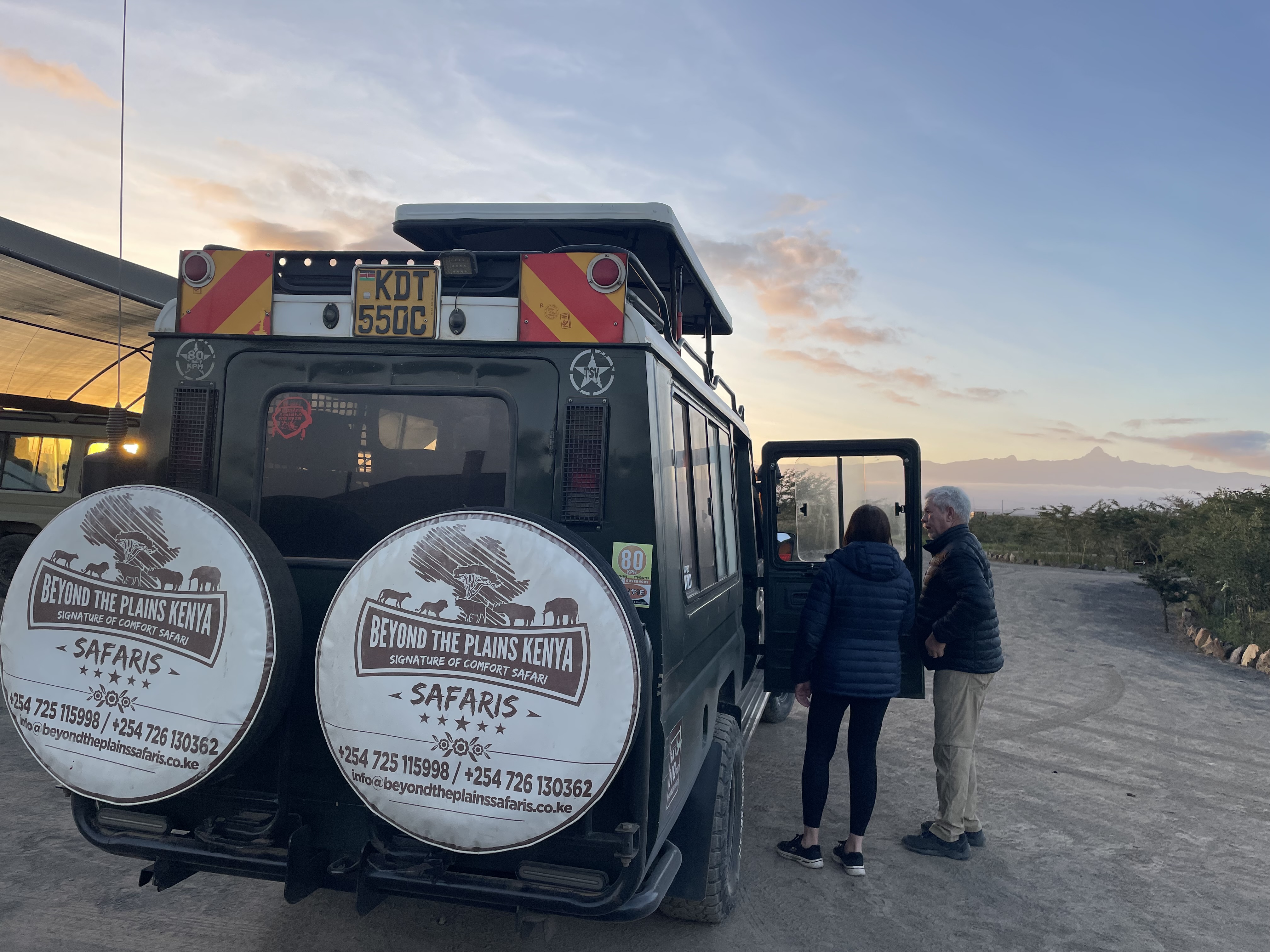
Kenya Safari from Nairobi: The Ultimate Guide to the Best Masai Mara Tours, Costs & How to Get There
You already know the Masai Mara is one of the greatest wildlife destinations on earth — that part isn't a secret. What most first-time visitors don't realize is that choosing the wrong tour from Nairobi can mean hours of unnecessary travel, overcrowded game drives, or paying premium prices for an underwhelming experience. In this guide, you'll find exactly which tours are worth your money, how to get there the right way for your budget, and everything you need to know to book a Masai Mara safari from Nairobi with total confidence.
Key Takeaways
- Road or flight: A Nairobi to Masai Mara safari can be completed by road (5–6 hours via Narok) or by charter flight (45 minutes from Wilson Airport), with tour packages available at very different price points for each transfer option.
- Migration timing: The Masai Mara is home to the Great Wildebeest Migration — the world's largest mammal movement — which peaks between July and October, making this the most sought-after safari window.
- Budget range: Tours from Nairobi to the Mara start at approximately USD $150 per person per day for budget packages, while luxury flying packages can exceed USD $1,000 per person per day, with inclusions varying significantly across tiers.
- Minimum stay: A 3-day/2-night package is the recommended minimum for a meaningful Masai Mara experience, allowing for multiple game drives and time to explore different areas of the reserve.
- Operator credibility: Reputable tour operators should hold active membership with the Kenya Association of Tour Operators (KATO) or accreditation from the Kenya Tourism Board — always verify before booking.
- Balloon safaris: Hot air balloon safaris over the Mara, available at approximately USD $450–$500 per person, are a bucket-list add-on that must be pre-booked through your tour operator.
- Green season value: The green season (November–May) offers lower prices, fewer crowds, and excellent game viewing despite occasional afternoon rains, making it an underrated alternative to the peak migration window.
What Is a Kenya Safari from Nairobi to the Masai Mara?
A Kenya safari from Nairobi to the Masai Mara is a guided wildlife tour that departs from Kenya's capital city and travels approximately 270 kilometres southwest to the Masai Mara National Reserve — one of Africa's most celebrated ecosystems. Unlike a self-drive trip, a tour package bundles your transport, accommodation, park fees, guide services, and game drives into a single booking, removing the logistical complexity for first-time visitors. The Masai Mara National Reserve covers roughly 1,510 square kilometres of open savannah in southwestern Kenya, bordering Tanzania's Serengeti National Park to the south and forming a continuous, unfenced ecosystem that wildlife roam freely across. What makes this trip so compelling is the combination of world-class game viewing, a relatively short distance from an international hub, and the diversity of tour options at every budget level.
A Nairobi to Masai Mara safari covers approximately 270 kilometres by road and takes between 5 and 6 hours via Narok, or roughly 45 minutes by charter flight departing from Wilson Airport — making it one of the most accessible world-class safari destinations from any major African city.
For first-time visitors, tour packages are strongly recommended over self-drive. The road through Narok has unpredictable conditions depending on season, park navigation requires local knowledge, and experienced guides dramatically increase your chances of meaningful wildlife sightings. For a broader introduction to planning your Kenya trip, see our ultimate Kenya safari guide.
Why the Masai Mara Is Kenya's Premier Safari Destination
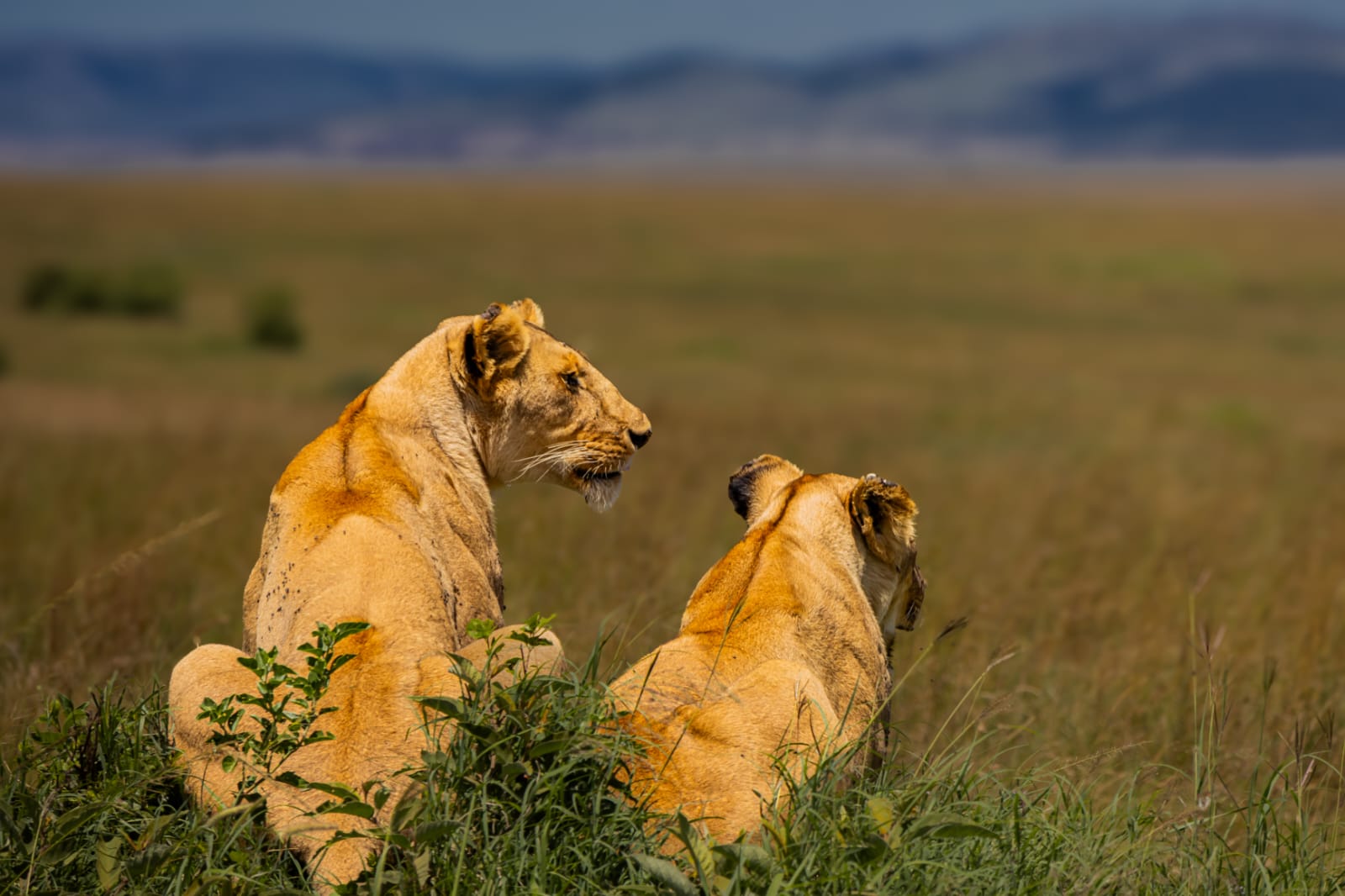
The Masai Mara National Reserve is widely regarded as the best place in the world to witness the Great Wildebeest Migration, during which more than 1.5 million wildebeest and hundreds of thousands of zebra cross between Tanzania's Serengeti and Kenya's Mara ecosystem between July and October each year — Source: Kenya Wildlife Service, 2024. Beyond the Migration, the Mara hosts all of the Big Five (lion, leopard, elephant, buffalo, and rhino) year-round, and its open grassland terrain makes sightings dramatically easier than forested parks elsewhere in Africa. The Mara also holds the highest lion density in Kenya, and cheetah sightings are consistently excellent on the open plains east of the reserve.
Moreover, the Masai Mara is the ancestral homeland of the Maasai people, one of Africa's most recognized indigenous communities, whose distinctive culture and livestock herding practices have shaped this landscape for centuries. What actually happens during a Maasai village visit is something many visitors are genuinely surprised by — the experience is far more meaningful than the typical tourist brochure suggests. The reserve's international reputation consistently places it among the world's top five safari destinations, and for travelers departing from Nairobi, it is the single most impactful use of limited safari days.
How Far Is Masai Mara from Nairobi and What Is the Best Way to Get There?
The Masai Mara is approximately 270 kilometres from Nairobi, and there are two primary ways to get there: an overland road transfer or a charter flight — and the right choice depends entirely on your budget, time, and travel style.
Road Transfer: The Scenic Route via Narok
The road route from Nairobi to Masai Mara takes between 5 and 7 hours under normal conditions, passing through the dramatic escarpment of the Great Rift Valley before descending into Maasai country and eventually the reserve itself. The journey exits Nairobi via Langata Road, heads southwest through Narok town — the last major stop for supplies — and enters the reserve through the Sekenani or Talek gates. Our dedicated guide to the Nairobi to Masai Mara road vs. fly-in comparison covers every detail of both options, but the key summary is this: the road offers genuine scenic value (Rift Valley views, Maasai villages, your first giraffe before you reach the gate), while the flight saves roughly a full day of travel time each way.
Road transfers suit: Budget and mid-range travelers, those with more time, and anyone who wants the experience of driving through Kenya's landscapes rather than over them.
Approximate cost: USD $0–80 per person each way when included in a group tour package; USD $100–$180 per person for private transfers.
Charter Flight: The Fast, Premium Option
Fly-in transfers from Wilson Airport in Nairobi to Masai Mara airstrips — including Keekorok, Ol Kiombo, and Musiara — take approximately 45 minutes and are operated by carriers including AirKenya and SafariLink, with one-way fares ranging from $150 to $350 per person depending on the operator and season — Source: AirKenya & SafariLink published schedules, 2025. For luxury travelers or those with only 2–3 days, flying is essentially non-negotiable: every hour in the air means two more game drives on the ground. Fly-in safari seats for July–October book out 4–6 months in advance, so early planning is essential. For more detail on Kenya's internal flights, see our luxury Kenya fly-in safari guide.
Charter flights suit: Luxury travelers, honeymooners, those with fewer days, and anyone who values maximizing time in the reserve over the journey itself.
| Transfer Option | Journey Time | Approx. Cost (one way) | Best For |
|---|---|---|---|
| Road (group tour) | 5–7 hours | Included in package | Budget & mid-range travelers |
| Road (private transfer) | 5–7 hours | $100–$180/person | Independent travelers |
| Charter flight (Wilson Airport) | ~45 minutes | $150–$350/person | Luxury, time-limited visitors |
| Scheduled flight (AirKenya/SafariLink) | ~45 minutes | $130–$280/person | Flexible travelers |
Best Nairobi to Masai Mara Safari Tours: Top Picks by Category
The best Masai Mara tours from Nairobi fall into distinct categories based on budget, duration, and transfer type — and knowing which category fits your situation will immediately narrow down the right package. Below are the top tour categories, with what to expect from each. For the full breakdown of Kenya safari tours from Nairobi, we have a dedicated resource that digs deeper into operator comparisons.
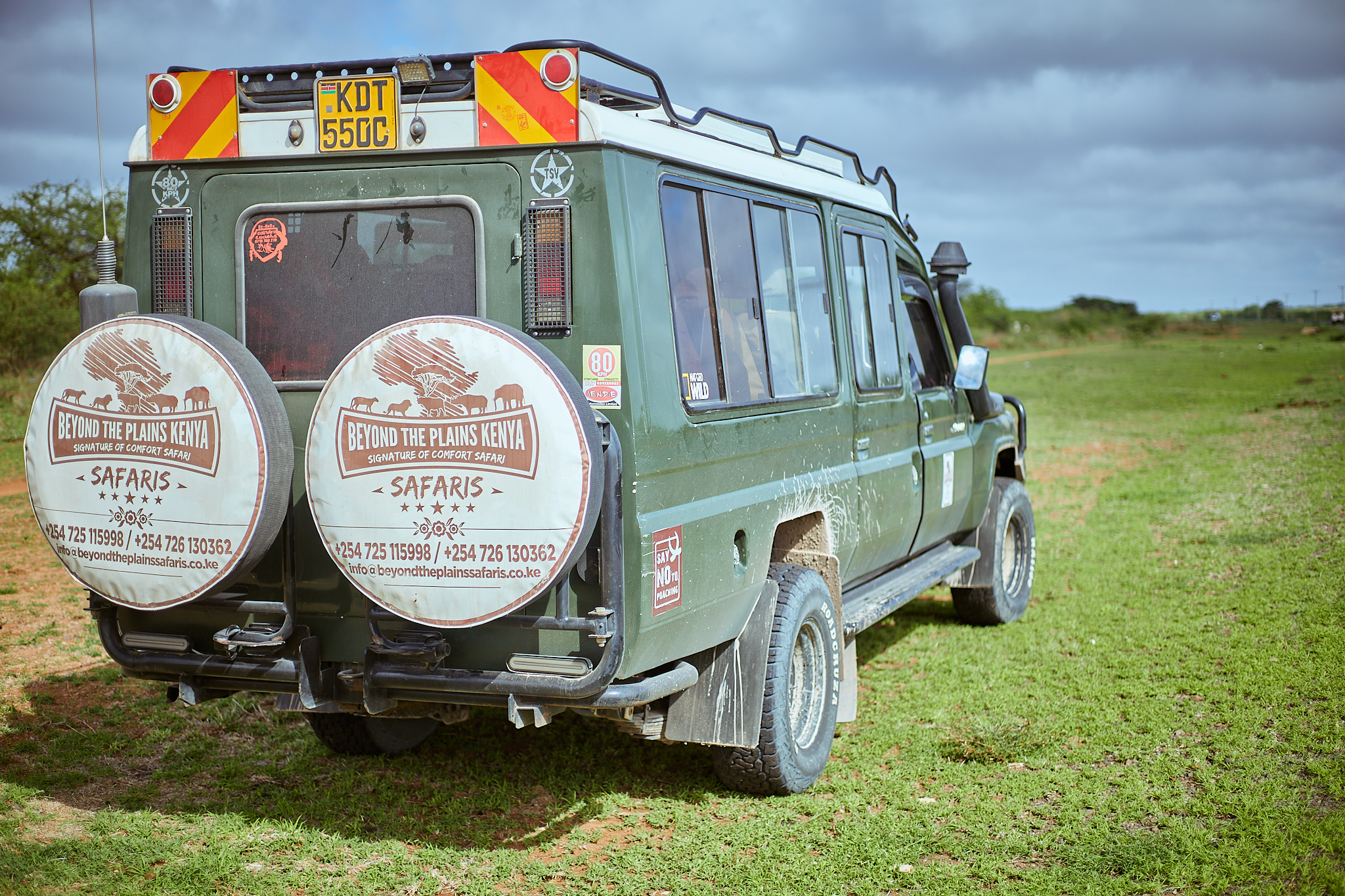
1. Best Budget Safari Tour (Road Transfer, Group Joining)
What's included: Shared 4x4 safari vehicle, road transfer from Nairobi, basic tented camp accommodation, park fees, game drives, meals. Approximate cost: USD $150–$250 per person per day. Duration: Typically 2 nights/3 days or 3 nights/4 days. Verdict: Strong value for solo travelers and budget-conscious visitors who don't mind sharing a vehicle. Look for budget safari camps in the Masai Mara that sit just outside or on the reserve boundary to keep accommodation costs manageable.
2. Best Mid-Range Safari Tour (Road Transfer, Small Group)
What's included: Shared or semi-private 4x4, road transfer, comfortable tented lodge with en-suite facilities, all meals, park fees, two game drives daily. Approximate cost: USD $250–$500 per person per day. Duration: Recommended minimum 3 days/2 nights; 4 days/3 nights is ideal. Verdict: The sweet spot for most international travelers. Mid-range camps in the Mara and surrounding conservancies offer a significant upgrade in comfort and service without crossing into luxury pricing. Our mid-range Kenya safari guide covers what to expect in detail.
3. Best Luxury & Flying Package
What's included: Charter flight from Wilson Airport, private 4x4 vehicle, luxury tented camp or lodge with premium amenities, all meals and drinks, twice-daily game drives, optional extras (balloon safari, bush dinner). Approximate cost: USD $500–$1,500+ per person per day. Duration: 3–5 days recommended. Verdict: Flying safari packages eliminate road fatigue entirely and place you in the Mara within 45 minutes. Top luxury lodges in the Masai Mara — including camps within the private conservancies — offer exclusive game drives, night drives, and bush walks not available inside the main reserve. If budget allows, this is the definitive experience.
4. Best 2-Day/1-Night Safari from Nairobi
What's included: Road transfer, two game drives, basic to mid-range camp, meals, park fees for one day. Approximate cost: USD $200–$350 per person total for a budget version; $400–$700 for a mid-range version. Verdict: A 2-day/1-night trip is possible but genuinely tight — you spend nearly a full day traveling each way, leaving only one afternoon game drive and one morning game drive. It works as an introductory experience, but most visitors who do it wish they'd stayed longer. See our honest answer to whether a 2-day Masai Mara safari is worth it for a frank assessment.
5. Best Extended Safari (4–5 Days)
What's included: Road or fly-in transfer, 4–5 nights in the Mara or Mara conservancy combination, up to 8 game drives, all meals, park fees, optional add-ons. Approximate cost: USD $300–$800 per person per day depending on accommodation tier. Verdict: The extended format is the most rewarding for wildlife enthusiasts. Four or more days allows you to explore multiple zones of the reserve, experience varied lighting conditions for photography, and dramatically increase your chances of witnessing special sightings like a kill or river crossing. Our best Kenya safari itineraries guide outlines the most popular multi-day circuits.
6. Best Family-Friendly Safari from Nairobi
What's included: Private vehicle (essential for families), flexible game drive schedules, child-friendly camps, meals adapted for younger guests, naturalist guides skilled in engaging children. Approximate cost: USD $350–$700 per adult per day; children's rates typically 50–70% of adult rates depending on age. Verdict: The Mara is excellent for families — open terrain means easy sightings even for younger children, and most reputable camps welcome children aged 5 and above. For families planning a longer trip, our 9-day Kenya family safari guide is a practical starting point.
What to Expect on a Masai Mara Safari: Game Drives, Camps & Experiences
A typical Masai Mara safari day is structured around the rhythm of animal activity — and once you understand that rhythm, every hour in the reserve makes sense. Game drives, accommodation choices, and optional add-ons all work together to shape your overall experience.
The Typical Safari Day
Morning game drives depart at first light — typically 6:00–6:30 AM — when predators are most active and the golden light is ideal for photography. You'll spend 3–4 hours in the vehicle, covering ground across the reserve with your guide tracking animal movements.
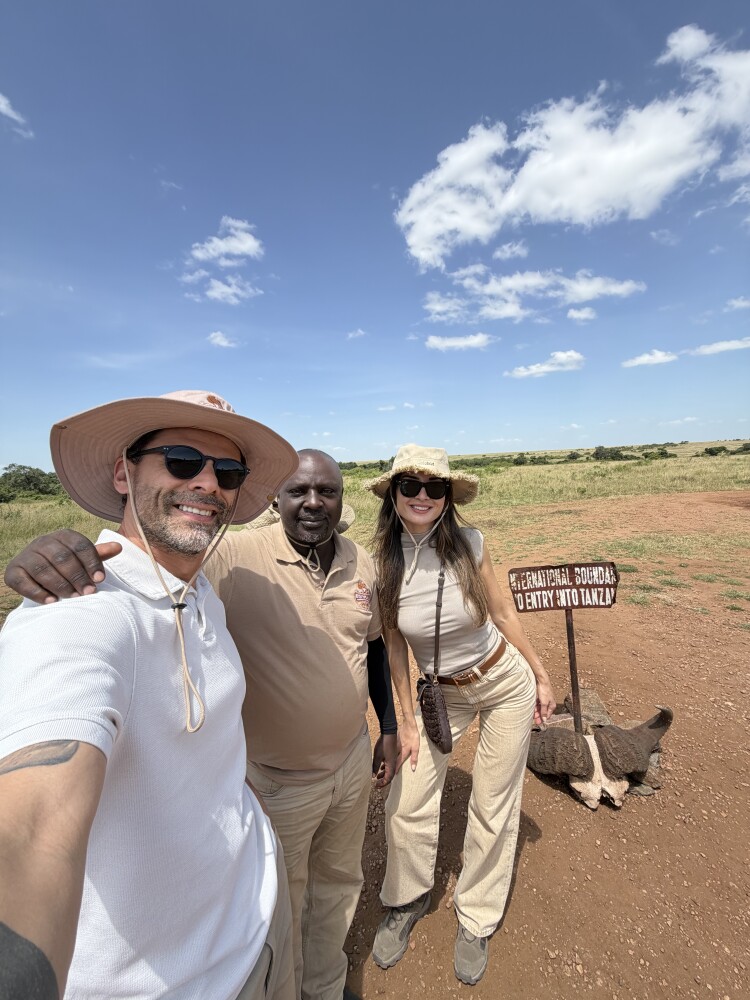
After returning to camp for a late breakfast and midday rest, the evening game drive departs around 4:00 PM, running until dusk at approximately 6:30 PM. This evening window is when lion prides often begin to stir, cheetahs take advantage of cooling temperatures to hunt, and the Mara's extraordinary light creates some of the most dramatic photography conditions in Africa.
Accommodation Options
Accommodation in and around the Masai Mara ranges from basic camping to some of the most celebrated luxury lodges on the continent. Budget tented camps typically offer simple bedding, shared or en-suite facilities, and communal dining — perfectly functional for travelers focused on game viewing rather than in-camp comfort. Mid-range lodges and camps step up to en-suite tents, hot showers, and proper restaurant dining. Luxury camps — particularly those in private conservancies surrounding the reserve — add private plunge pools, butler service, gourmet cuisine, and exclusive wildlife access in areas closed to mainstream tourism.
Optional Add-Ons Worth Booking
First, the hot air balloon safari over the Masai Mara deserves special attention. Priced at approximately $450–$500 per person, it provides an aerial perspective of the plains at dawn that no game drive can replicate, typically followed by a champagne bush breakfast. Second, Maasai village visits — typically a 1–2 hour guided experience — offer genuine cultural depth when conducted through a reputable operator committed to community benefit. For more on what to expect, read our honest guide to Maasai village visits on safari. Third, bush breakfasts, sundowner stops on the plains, and private picnic lunches in the reserve are small touches that elevate a good safari into a memorable one.
What Is the Best Time of Year to Go on a Masai Mara Safari from Nairobi?
The best time to visit the Masai Mara from Nairobi depends on what you want to see — and each season delivers something distinct. For a comprehensive overview of Kenya's seasons across all parks, see our guide to the best time to visit Kenya for a safari.
Peak Season: The Great Migration (July–October)
This is the Mara at its most spectacular. The Great Wildebeest Migration reaches Kenya's Masai Mara between late June and October, with the dramatic Mara River crossings peaking in August and September. This period offers the highest concentration of wildlife and the greatest chance of witnessing predator action. The trade-off is cost and crowds: peak-season accommodation rates can be 30–50% higher than green season pricing, and popular crossing points attract multiple vehicles simultaneously. Park entry fees also increase during peak season, currently reaching up to $200 per adult per day for non-residents — Source: Kenya Wildlife Service, 2025.
Green Season: November–May
The green season is genuinely underrated. November and the January–February dry spell both offer good game viewing with significantly fewer vehicles and meaningfully lower accommodation rates. The long rains (April–June) bring lush scenery, newborn animals, and a Mara that feels almost private — though morning drives may be interrupted by afternoon showers. For honeymooners, couples, and photographers who prize intimacy over migration odds, green season is a serious consideration. Our honeymoon safari Kenya guide explores why many couples now specifically choose this quieter window.
| Season | Months | Wildlife Highlight | Crowd Level | Price Level |
|---|---|---|---|---|
| Peak / Migration | July–October | Great Migration river crossings | High | High |
| Dry Shoulder | Jan–Feb | All Big Five, excellent visibility | Medium | Medium |
| Green Season | Nov–May | Newborns, lush scenery, predators | Low | Lower |
| Long Rains | April–June | Dramatic landscapes, few tourists | Very Low | Lowest |
How Much Does a Masai Mara Safari from Nairobi Cost in 2025?
A Nairobi to Masai Mara safari cost varies significantly based on accommodation tier, group size, transfer type, season, and what's included — but transparent pricing exists across all budget levels. For a full Kenya safari cost breakdown, including what questions to ask your operator before signing anything, we have a dedicated guide.
Budget Tier: USD $150–$250 Per Person Per Day
Budget packages are typically group-joining tours using shared 4x4 vehicles and basic tented camps. Park fees, meals, game drives, and road transport are usually included. What gets excluded at this tier: drinks beyond water, laundry, tips, and any optional activities. These packages work best for travelers with flexible schedules and a priority on wildlife over in-camp comfort.
Mid-Range Tier: USD $250–$500 Per Person Per Day
Mid-range packages offer private or semi-private vehicles, comfortable lodges with proper en-suite facilities, all meals, park fees, and typically all non-alcoholic drinks. This is the most popular tier for international travelers and represents strong value for the Masai Mara. Private tours in this category allow you to set your own game drive pace — a significant advantage for photographers and families.
Luxury Tier: USD $500–$1,500+ Per Person Per Day
Luxury and ultra-luxury packages include charter flights, private vehicles, exclusive camps in private conservancies, all meals and premium drinks, and a full schedule of activities. Some camps in this tier include the balloon safari in the package price. Beyond the Plains Safaris offers bespoke luxury African safari packages across all major Mara properties.
What Drives the Price Variation
Several factors push costs up or down. Accommodation tier is the single biggest variable — camp quality accounts for 60–70% of total package cost. Group vs. private: sharing a vehicle with other travelers significantly reduces per-person cost. Transfer type: flying adds $300–$700 per person to any package. Season: peak season commands premiums of 30–50%. Park fees: currently USD $80 per adult per day for non-residents in standard season, rising in peak months — Source: Kenya Wildlife Service, 2025.
Practical Planning Tips: Booking, Packing & What No One Tells You
Booking a Masai Mara safari from Nairobi is straightforward when you know what to look for — and genuinely risky when you don't.
How Far in Advance to Book
For migration season (July–October), book your entire package — flights, accommodation, and game drives — simultaneously and at least 4–6 months in advance. Budget camp beds fill even faster than luxury lodges during this window. For green season travel, 6–8 weeks is workable, though earlier is always better for preferred camps. The single most common booking mistake is treating accommodation and flights as separate decisions. They're not — your camp location determines which airstrip you use, and both should be confirmed together.
What to Pack
Clothing for a Masai Mara safari should be layered, neutral-coloured (khaki, olive, tan — not white or bright colours), and packable. Early morning game drives in the Mara regularly fall below 10°C, while afternoon temperatures exceed 30°C — the temperature swing within a single day is significant. For a complete gear and clothing list, our Kenya safari packing guide covers everything from binoculars to sunscreen and malaria prophylaxis timing.
Tipping Etiquette
Tipping is expected and meaningful in Kenya's safari industry. A standard guide tip is USD $10–$20 per person per day for an excellent guide. Camp staff tips of $5–$10 per person per day are also appropriate. Always carry USD cash in small denominations for this purpose — camp tipping boxes are not universal.
What No One Tells You
First, Nairobi morning traffic is genuinely brutal. If your road transfer departs at 7 AM, you'll still spend 45–60 minutes navigating out of the city. Build this into your expectations. Second, Narok town sits midway on the road route and has the only significant fuel and supply stop — your driver will always stop here, and it will feel like it takes longer than it should. Third, the Mara's weather can change quickly in green season — pack a lightweight waterproof layer even if the forecast looks clear.
Masai Mara Park Entry Fees
Masai Mara non-resident park entry fees are currently set at USD $80 per adult per day in standard season, and are typically included within tour package pricing — travellers booking independently should confirm whether these fees are bundled or billed separately. During peak migration months (July–October), fees are higher. For the latest conservation fee structure, see our overview of Kenya national park fees.
How Do You Choose a Reputable and Safe Safari Operator in Nairobi?
Choosing a reputable Kenya safari operator is the single most important decision in this entire process — more important than which camp you stay at or which route you take. A reputable Kenya safari operator should hold active membership with the Kenya Association of Tour Operators (KATO) or accreditation from the Kenya Tourism Board — both of which provide consumer protections and verified standards of service.
What to Look For
First, verify KATO membership independently — the KATO members directory is publicly searchable and takes 30 seconds to check. Second, look for verified reviews on third-party platforms (TripAdvisor, SafariBookings, Google) rather than relying on testimonials on the operator's own website. Third, ask directly: What type of vehicle will we use? Who is our guide, and what is their qualification? Are park fees included in the quoted price? What happens if a camp or activity must be changed?
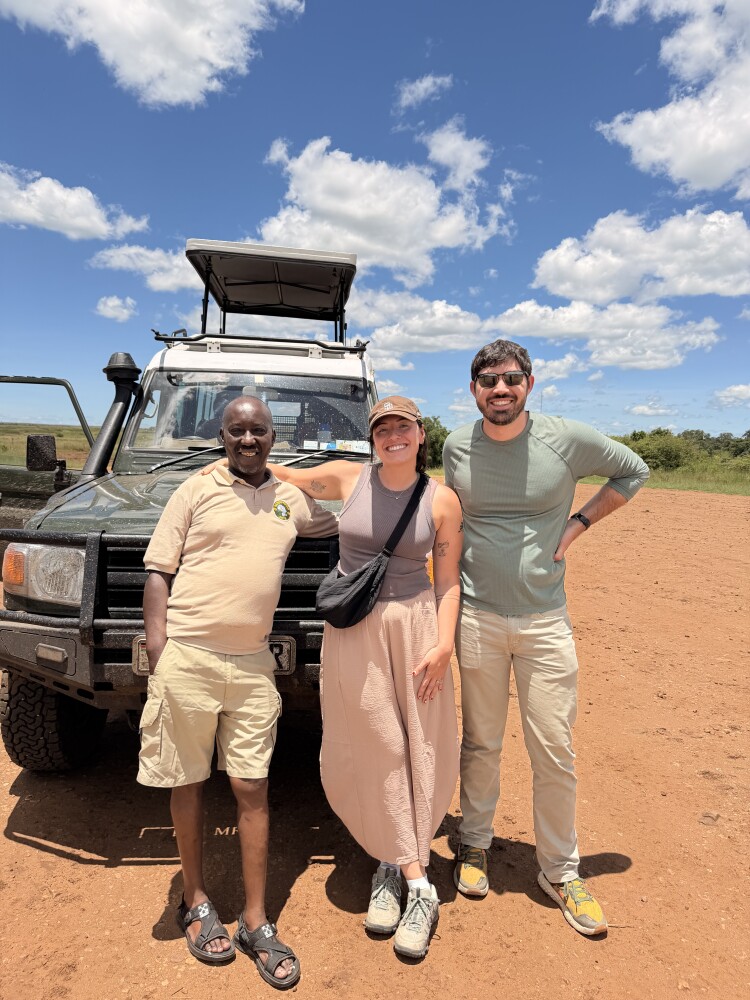
Beyond the Plains Safaris holds KATO membership, Tourism Regulatory Authority (TRA) licensing, and Kenya Wildlife Service partnership status — you can verify our credentials directly or review our SafariBookings and TripAdvisor profiles. For a broader comparison of Kenya's top operators, our guide to the best safari operators in Kenya provides an honest, operator-by-operator breakdown. Additionally, our questions to ask before booking a safari checklist walks you through everything a credible operator should be able to answer before you commit.
Red Flags to Avoid
Be cautious of operators who cannot provide a physical Nairobi address, offer prices dramatically below market rate without explanation, pressure you to pay in full immediately, or cannot produce a KATO membership number. The Kenya safari market has legitimate operators at every budget level — suspiciously low prices usually signal hidden costs or substandard equipment.
Is a Masai Mara Safari from Nairobi Worth It? (Conclusion)
A Masai Mara safari from Nairobi is unequivocally worth it. A minimum of three days and two nights in the Masai Mara is recommended for first-time safari visitors from Nairobi, as this allows for at least four game drives and meaningful exploration of different zones within the reserve. The combination of accessibility from Nairobi, year-round wildlife, and the once-in-a-generation spectacle of the Great Migration makes this one of the most rewarding wildlife experiences available anywhere on earth — and it's available at genuine value across every budget tier.
Stop treating this as a trip to plan someday. The Mara is extraordinary in July and worthwhile in February. It works for a couple on a honeymoon, a family with young children, a solo traveler on a budget, and a luxury traveler with three days and high expectations. The only version of this trip that isn't worth it is the one you don't take.
Ready to book? Get a free, personalised quote from Beyond the Plains Safaris — we'll match you to the right package for your budget, dates, and goals, and handle everything from Nairobi to the Mara and back. You can also schedule a consultation with one of our safari specialists to plan your trip step by step.
Written by: John Dante, Director & Operations Manager, Beyond The Plains Safaris. John has designed and led hundreds of Kenya safari itineraries over his career, with deep expertise in the Masai Mara ecosystem, operator relations, and bespoke safari planning for international travelers.
Reviewed by: Beyond the Plains Safaris Editorial Team, verified against Kenya Wildlife Service regulations and KATO operator guidelines (2025/2026).










Comments (0)
Leave a Comment
No comments yet. Be the first to comment!